
Plants
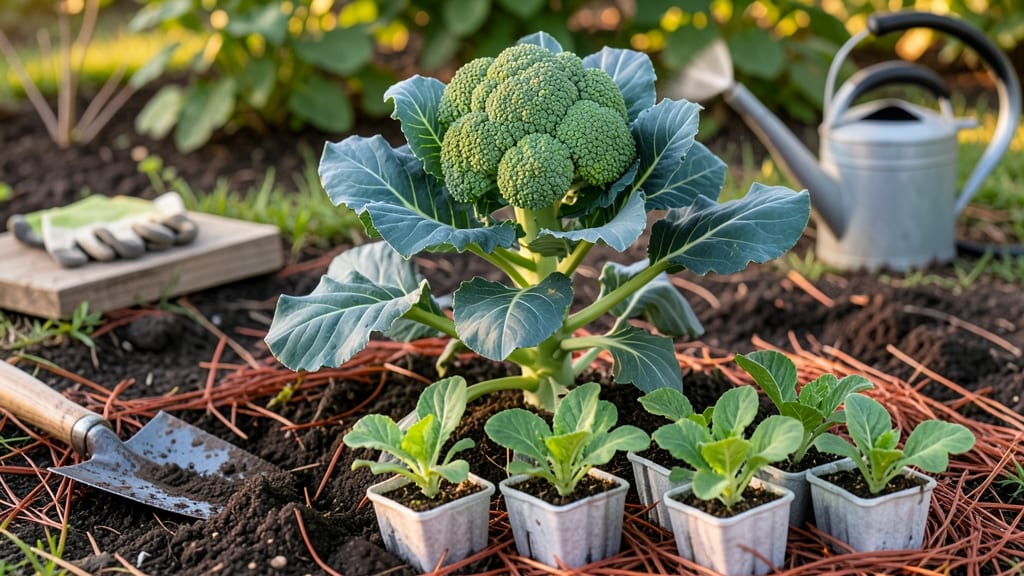
Timing your broccoli 🥦 planting in Zone 9 could mean the difference between a thriving garden and a sad, wilted disappointment. The scorching summers here make it tricky, but with the right schedule, you can grow crisp, flavorful heads even when others give up.
Most gardeners in Zone 9 (think Southern California or Arizona) know summer planting is a no-go, but the key is starting in fall—between September and November—when temperatures cool down.
This window gives your broccoli the best shot at avoiding heat stress and bolting before it even gets a chance to mature.
What you’ll discover here is exactly when to plant for maximum success, plus the heat-resistant varieties that thrive in your climate. We’ll also cover soil prep and microclimate tricks to stretch your harvest season—so you can enjoy homegrown broccoli from late winter through early spring.
Ready to skip the guesswork? Let’s dive into the exact months, varieties, and pro tips that’ll have your broccoli plants flourishing when others fail.
Best planting months for broccoli in Zone 9: avoiding heat stress
Zone 9’s hot summers (often exceeding 90°F) make broccoli a challenging crop—but with the right timing, you can grow it successfully. The key is planting when temperatures dip below 75°F to prevent bolting (flowering prematurely).
In my Zone 9 garden, I’ve found that fall and winter plantings yield the best results.
Broccoli thrives in cooler weather, so aim to plant 6-8 weeks before your first frost—though Zone 9 rarely gets frost, this timing helps avoid summer heat. For me, that means starting seeds in late summer (August) for fall transplants or sowing directly in September and October for winter harvests.
Here’s the critical timeline I follow: Plant seeds indoors in August for transplanting in September, or sow directly in October for a winter harvest. This ensures your broccoli matures before the heat returns in spring.
Zone 9’s microclimates can vary dramatically—coastal areas stay cooler longer, while inland regions heat up faster. If you’re in a hotter inland spot, prioritize shade cloth or succession planting every 2 weeks to stretch your harvest window.
Never plant broccoli in summer (June-August)—the heat will cause your plants to bolt or produce bitter, tough heads. Even heat-tolerant varieties struggle above 80°F. Instead, focus on fall and winter plantings for the best flavor and texture.
| Planting Window | Ideal Months | Temperature Range | Soil Prep Tip |
|---|---|---|---|
| Fall Planting | September - October | 60°F - 75°F | Add compost for nutrients |
| Winter Planting | December - Early February | 50°F - 65°F | Use mulch to retain warmth |
| Succession Planting | Every 2 weeks (Sept - Nov) | 60°F - 70°F | Keep soil moist for germination |
| Avoid Planting | June - August | Above 80°F | Risk of bolting |
For succession planting, I sow seeds every 2 weeks from September through November to ensure a steady harvest. This works especially well in cooler coastal areas of Zone 9, where winters are milder.
In hotter inland zones, limit planting to fall only and use shade cloth if extending into early spring.
Soil temperature is just as critical as air temperature. Broccoli seeds won’t germinate well in soil above 70°F. To test soil temp, use a soil thermometer—if it’s above 75°F, wait a few weeks or use shade cloth to cool the soil.
In my garden, I’ve seen germination rates drop to 30% when soil temps exceed 80°F.
One common mistake I see in Zone 9 gardens is planting too late in fall, which delays harvest until spring—just as temperatures rise again. To avoid this, aim to harvest by March before the heat returns.
If you’re in a warmer microclimate, consider container gardening with shade cloth for better temperature control.
Finally, don’t forget to harden off seedlings before transplanting. If you start seeds indoors in August, expose them to outdoor conditions for 1-2 weeks before moving them to the garden. This helps them adjust to Zone 9’s fluctuating temperatures and reduces transplant shock.
With these timing strategies, you’ll avoid the pitfalls of heat stress and enjoy crisp, flavorful broccoli all winter long. The secret? Cool temps, patient planning, and shade when needed. 🌱
Best planting months for broccoli in Zone 9: avoiding heat stress
Zone 9’s summer heat can turn broccoli plants into bitter, bolted disappointments—but the right timing keeps them thriving. The key is planting when daytime temperatures stay below 75°F and nights dip below 60°F. This means skipping spring and summer entirely and focusing on fall and winter windows instead.
Broccoli is a cool-season crop, so summer’s 90°F+ days will stress seedlings before they even form heads. Even shade won’t save them—heat accelerates bolting (flowering), turning your crop into seed stalks.
My best advice? Plan your planting around September through November for a winter harvest, or try December through early February for a spring crop.
Here’s the exact breakdown of when to plant in Zone 9, including soil prep timing and temperature thresholds:
| Planting Window | Ideal Air Temp (°F) | Soil Prep Timeline | Harvest Window |
|---|---|---|---|
| September - October | 60-75°F (day) / 50-60°F (night) | Prep soil 2-3 weeks before planting | February - April |
| December - Early February | 55-65°F (day) / 45-55°F (night) | Amend soil with compost in November | March - May |
🌱 Pro Tip: Use shade cloth (30-50%) if planting in late August for a summer crop, but expect smaller yields.
For a continuous harvest, try succession planting every 2-3 weeks from September through November. Start with 60-day varieties for a winter crop, then switch to 50-day varieties in December for an early spring harvest. This staggered approach ensures you’re always picking fresh broccoli from February through April.
If you’re tempted to plant in August, I strongly advise against it—unless you’re using drip irrigation and shade cloth. Even then, yields will be poor, and plants may bolt before forming heads.
The 10-week window from September to November is your safest bet for reliable harvests in Zone 9.
One final tip: Test your soil’s pH (6.0-7.0) and add compost before planting. Broccoli is heavy-feeder, and Zone 9’s sandy soils often lack organic matter. Amend with aged manure or worm castings to give your plants the nutrients they need to thrive in cooler months.