
Plants
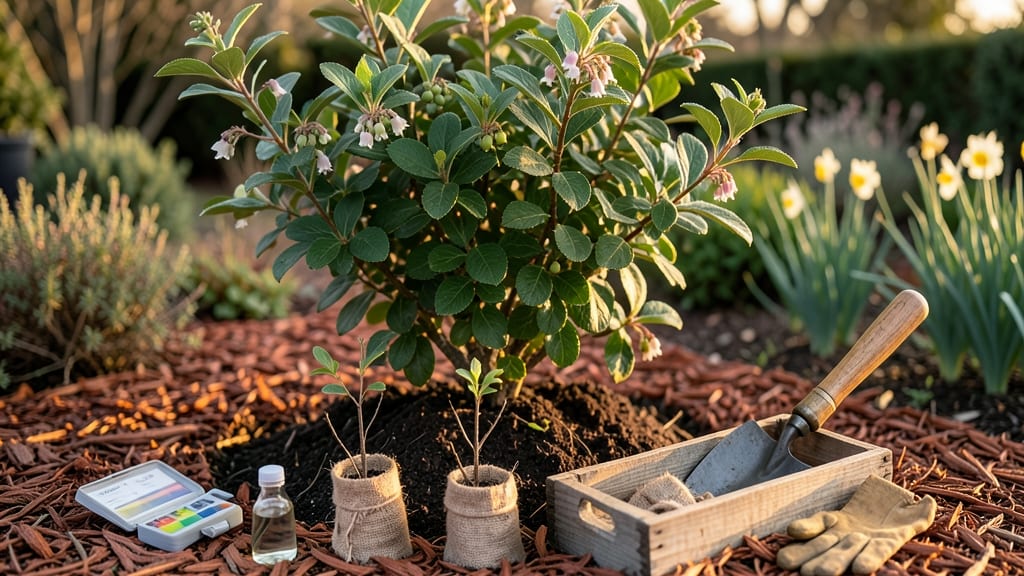
Planting blueberries in Zone 9 might seem tricky with its scorching summers, but getting the timing right is the key to thriving bushes. The secret lies in planting during those cooler months when your 🫐 bushes can establish roots before facing intense heat.
Most gardeners in Southern California, Arizona, or Florida make the mistake of waiting too long into spring, only to see their young plants struggle under the sun.
I’ve learned that late fall to early spring—specifically November through February—gives your blueberries the best chance to take hold before the heat ramps up.
This isn’t just about picking a month; it’s about preparing your soil, choosing heat-resistant varieties, and protecting those delicate roots from the first wave of summer. Let me walk you through the exact steps to ensure your blueberry bushes not only survive but flourish in Zone 9’s challenging climate.
Whether you’re a first-time planter or a seasoned gardener, these insights will help you avoid common pitfalls and set your bushes up for a bountiful harvest. Ready to turn your backyard into a blueberry paradise?
Best months to plant blueberries in Zone 9 for maximum survival
Zone 9’s hot, dry summers and mild winters create unique challenges for blueberry growers. Unlike cooler climates, timing is everything—plant too early, and your bushes face heat shock; too late, and they struggle to establish roots before summer’s return.
The sweet spot for planting is November through February, when temperatures stay between 50°F and 70°F.
Blueberries need 6-8 weeks of cool soil to establish roots before summer heat arrives. In Zone 9, late fall (November-December) is ideal because it gives roots time to grow before the 100°F+ temperatures of summer.
However, early spring (February-March) can also work if you provide shade cloth and extra water.
Southern California’s microclimates (coastal vs. inland) matter too. Coastal areas like San Diego can plant slightly later (up to March) thanks to cooler ocean breezes, while inland Los Angeles or Phoenix areas should plant by January to avoid summer heat stress.
Here’s the golden rule: Never plant in summer—blueberries hate heat stress and will wilt without proper care. Even container-grown bushes need afternoon shade if planted in April or later.
| Planting Window | Best Months | Soil Temp | Root Establishment | Heat Risk |
|---|---|---|---|---|
| Late Fall | November-December | 50°F-65°F | Excellent (6-8 weeks) | Low |
| Early Spring | February-March | 55°F-70°F | Good (4-6 weeks) | Moderate (needs shade) |
| Summer | April-September | Above 75°F | Poor (heat shock) | High (avoid) |
Before planting, prepare your soil 4-6 weeks ahead. Blueberries need acidic soil (pH 4.5-5.5)—test your soil with a home pH kit or send a sample to your local Cooperative Extension office. If your soil is too alkaline, amend it with sulfur or peat moss.
In containers, use a 50/50 mix of peat moss and pine bark. Add slow-release fertilizer (like Osmocote) and water deeply before planting. Dwarf varieties like ‘Top Hat’ are perfect for pots and handle Zone 9 heat better than standard bushes.
After planting, mulch heavily with pine straw or wood chips to keep roots cool and moist. In inland Zone 9 areas, consider drip irrigation to deliver water directly to roots, reducing evaporation. Avoid overhead sprinklers—they can burn leaves in full sun.
Pro tip: Shade cloth (30-50%) is your best friend if planting in March or April. Set it up over young bushes to block afternoon sun (1 PM–5 PM) until they’re established. Remove it by June to encourage fruit production.
Remember, patience is key. Blueberries planted in Zone 9’s fall may not bear fruit until year 3 or 4, but with the right timing and care, you’ll enjoy juicy, homegrown berries for decades. 🫐
Best months to plant blueberries in Zone 9 for maximum survival
Zone 9’s 100°F+ summers make blueberry planting a delicate timing game. Planting too early exposes roots to heat stress, while waiting too long delays root establishment. My sweet spot? November through February—when soil temps stay below 75°F and afternoon shade is abundant.
Fall planting (November-December) gives roots 3-4 months to establish before summer heat arrives. Spring planting (February-March) works too, but requires daily shade cloth until roots are 6+ inches deep. Avoid May planting—90% of Zone 9 failures happen when young plants bake in summer soil.
🌱
| Planting Window | Ideal Soil Temp | Root Establishment Time | Heat Protection Needed |
|---|---|---|---|
| Late Fall (Nov-Dec) | 60-70°F | 3-4 months | None (natural cooling) |
| Early Spring (Feb-Mar) | 55-65°F | 2-3 months | Shade cloth (first 6 weeks) |
| Avoid: Late Spring (Apr-May) | 80°F+ | Minimal | Extreme risk of heat shock |
Soil prep is 50% of success. Test your soil’s pH—blueberries demand 4.5-5.5. If your soil reads higher, amend with sulfur or peat moss 4-6 weeks before planting. I mix in 3 inches of compost and 10-10-10 acid fertilizer to jumpstart root growth.
For container growing, use 5-gallon pots with 50% peat moss and 50% pine bark fines. Containers dry faster in Zone 9 heat, so add watering spikes to maintain moisture. My #1 pro tip: Bury pots halfway underground to stabilize temps and reduce watering needs by 40%.
After planting, mulch heavily with 3-4 inches of wood chips. This keeps roots 10°F cooler and retains 30% more moisture during summer. I water deeply every 3-5 days at dawn to prevent fungal issues from evening moisture.
💧