
Plants
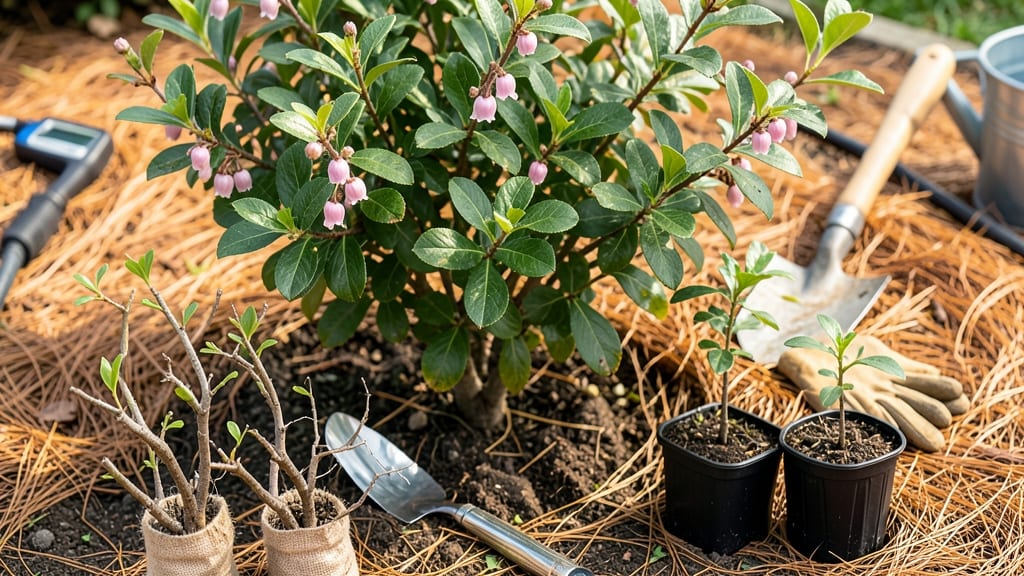
Planting blueberries in Zone 8 at the wrong time could mean the difference between a lush, fruit-bearing bush and one that struggles to take root.
The late winter to early spring window is your golden opportunity, but timing isn't just about the calendar—it's about soil temperature, frost risk, and even the subtle shifts in your local microclimate.
If you've ever wondered why some gardeners swear by February plantings while others insist on waiting until March, the answer lies in understanding how Zone 8's mild winters and hot summers create unique challenges.
I'll break down exactly what to watch for so you can plant with confidence, whether you're working with bare-root saplings or container-grown bushes.
What you'll discover isn't just about sticking a blueberry in the ground—it's about creating the perfect conditions for that 🫐 to thrive from day one.
We're talking soil prep that mimics the acidic forest floor blueberries love, smart mulching techniques, and how to time your planting to avoid those pesky late frosts that can set you back months.
The best part? These strategies work whether you're planting southern highbush varieties that love the heat or other cold-hardy types. Let's get your blueberries off to the strongest start possible, so you can enjoy that first harvest of juicy berries come late spring or early summer.
Optimal blueberry planting window in Zone 8: month-by-month breakdown
Planting blueberries in Zone 8 requires precision—timing directly impacts root establishment and fruit production. The ideal window spans from late February to early April, when soil temperatures hover between 45°F and 55°F.
This aligns with dormant planting, minimizing transplant shock while avoiding late frosts that can damage emerging buds.
Zone 8’s mild winters and hot summers create unique challenges. Unlike colder zones, you won’t face deep freezes, but unpredictable spring frosts (common until mid-March) demand careful planning. Planting too early risks frost damage, while waiting too long delays root growth before summer heat arrives.
For bare-root blueberries, aim to plant by March 15th—this gives roots 6–8 weeks to establish before summer’s peak heat. Container-grown plants offer flexibility, allowing planting until May, but they’ll need consistent moisture to compensate for slower root adaptation.
Soil temperature is your best indicator—use a soil thermometer to confirm it’s above 45°F at 6 inches deep. Cold soil slows root growth, while warm soil (above 60°F) can stress the plant. Morning planting on a cloudy day reduces transplant shock from afternoon heat.
Zone 8 microclimates vary dramatically. Coastal areas (e.g., San Diego) may plant as early as February, while inland regions (e.g., Phoenix) should wait until late March. Check your last frost date—most Zone 8 gardens experience it between February 15th and March 1st.
Here’s your month-by-month cheat sheet for Zone 8 blueberry planting, including critical soil conditions and frost risks:
| Month | Soil Temp (°F) | Planting Window | Frost Risk | Key Tip |
|---|---|---|---|---|
| February | 45–55°F | Early (coastal) to mid-month (inland) | High (last frost: Feb 15–Mar 1) | Plant bare-root; mulch heavily. |
| March | 50–60°F | Ideal (low frost risk) | Moderate (after mid-March) | Best for container plants; water deeply. |
| April | 55–65°F | Late (if no frost) | Low | Shade young plants from intense sun. |
| May | 60–70°F | Container plants only | None | Prioritize mulch to retain moisture. |
If you miss the spring window, fall planting (October–November) is possible in Zone 8’s milder climates. However, roots need 6–8 weeks to harden before winter. Avoid planting after November 1st—new roots won’t survive frost.
Pro tip: Use mulch (pine straw or wood chips) immediately after planting to insulate roots. In Zone 8’s heat, mulch reduces soil temperature swings by 10–15°F, protecting delicate roots during summer’s peak.
For container growers, ensure pots have drainage holes and use acidic potting mix (pH 4.5–5.5).
Remember, blueberries hate wet feet. Zone 8’s summer droughts can stress plants, so drip irrigation or soaker hoses deliver water directly to roots. Aim for 1–1.5 inches of water weekly, adjusting for rainfall. Morning watering prevents fungal diseases like botrytis, which thrives in humid Zone 8 summers.
Your blueberries will reward you with sweet, plump berries by late spring to early summer if planted at the right time. Start with acidic soil prep, monitor soil temps, and protect from late frosts—these are the keys to success in Zone 8’s challenging climate. 🫐
Optimal blueberry planting window in Zone 8: month-by-month breakdown
In Zone 8, blueberries thrive when planted during the dormant season—typically between late winter and early spring. The key is to plant before buds break, usually between February and March, when soil temperatures hover around 40°F (4°C).
This timing ensures roots establish before the growing season kicks in.
Zone 8’s mild winters mean late frosts can still occur, so avoid planting too early. Aim for 2-4 weeks before your last frost date (usually around February 15 in most of Zone 8).
If you miss this window, fall planting (September-October) is a backup—but it requires extra care to protect young plants from winter chill.
Soil temperature is your best guide: Wait until the ground warms to at least 45°F (7°C) at a 6-inch depth. Use a soil thermometer to check—this usually aligns with March in most of Zone 8. Planting too early in cold soil can stunt root growth, while waiting too long risks heat stress on bare-root plants.
| Stage | Action | Key Notes |
|---|---|---|
| Late Winter (Feb) | Soil Prep | Test pH (4.5–5.5), amend with sulfur/peat moss |
| Early Spring (Mar) | Plant Bare-Root | Soil 45°F+, buds not yet swollen |
| Spring (Apr) | Mulch & Water | 3-inch mulch, deep watering 2x/week |
| Fall (Sep-Oct) | Backup Planting | 6-8 weeks before first frost |
If you’re growing container blueberries, timing shifts slightly. Containers warm faster, so you can plant 1-2 weeks earlier than in-ground bushes. However, ensure pots have drainage holes and use a well-draining, acidic mix (50% peat moss, 30% pine bark, 20% perlite).
Container plants also need more frequent watering—check moisture daily in summer.
Pro tip: Plant on a cloudy day to reduce transplant shock. After planting, water deeply to settle soil and apply a 2-inch layer of pine needles as mulch.
This mimics blueberries’ natural acidic forest floor habitat and retains moisture. Avoid heavy mulch in summer—it can smother roots in Zone 8’s heat.
Remember, Zone 8’s microclimates vary. Coastal areas (e.g., San Diego) may plant as late as April, while inland spots (e.g., Phoenix) should aim for February-March.
Check your local USDA frost map and adjust accordingly. With the right timing, your blueberries will reward you with juicy harvests in late spring! 🫐