
Plants
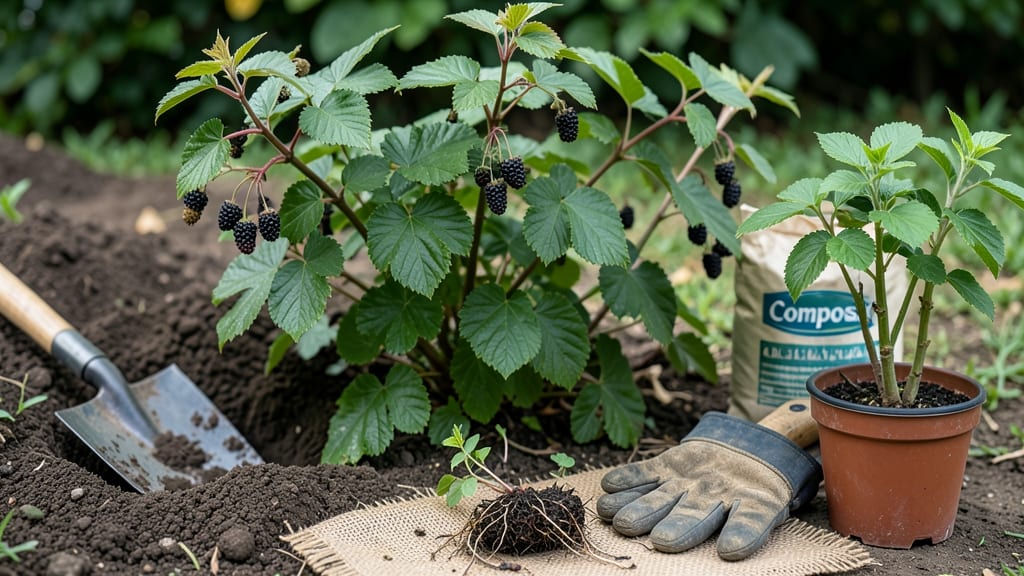
Timing your blackberry planting in Louisiana can mean the difference between thriving 🫐 bushes and struggling canes that never quite take off. With the state's unique climate zones—especially 8a-9b—getting the window right is everything.
Most gardeners in Louisiana plant their blackberries between February and March, when soil temperatures rise above 50°F and the threat of hard frosts has passed. But did you know that varieties like 'Arapaho' or 'Navaho' actually prefer slightly different timing?
In this guide, I’ll break down the best months to plant based on your specific zone, whether you should go for bare-root or potted plants, and how to prep your soil for maximum success. No more guessing—just juicy, productive blackberries all season long.
Ready to set your blackberries up for a bountiful harvest? Let’s dive into the perfect planting schedule for Louisiana’s climate.
Best months to plant blackberries in Louisiana’s climate zones
Louisiana’s USDA zones 8a-9b offer a long growing season perfect for blackberries, but timing your planting correctly ensures strong root establishment before summer heat arrives. The ideal window is late winter to early spring, when soil temperatures rise above 50°F (10°C)—typically February through March in most regions.
In northern Louisiana (Zone 8a), where frosts linger until mid-February, aim for March planting to avoid cold snaps damaging tender roots. Meanwhile, southern Louisiana (Zone 9b) gardeners can plant as early as late January to February, thanks to milder winters and earlier soil warming.
Blackberries produce two types of canes: primocanes (current year’s growth) and floricanes (second-year canes). Everbearing varieties like 'Arapaho' fruit on both canes, while summer-bearing types like 'Natchez' rely on floricanes. Planting in early spring gives primocanes time to establish before summer’s peak heat.
If you miss the spring window, fall planting (September-October) is possible in Zone 9b, but avoid it in colder zones where canes may not harden off before winter. Always check your last frost date—planting 4-6 weeks before ensures roots establish before summer stress.
📅 Louisiana Blackberry Planting Timeline
| Zone | Best Planting Month | Soil Temp Requirement | Notes |
|---|---|---|---|
| 8a (North LA) | March | 50°F+ (10°C+) | Avoid February if frost risk remains |
| 8b (Central LA) | February-March | 50°F+ (10°C+) | Flexible window; monitor soil temps |
| 9a-9b (South LA) | Late Jan-Feb | 55°F+ (13°C+) | Fall planting possible in Zone 9b |
🌱 Pro Tip: Use a soil thermometer to confirm temps before planting!
Louisiana’s humid summers can stress young blackberry canes, so spring planting gives roots a head start. If you’re using bare-root plants, soak canes for 2-4 hours before planting to rehydrate roots. For potted plants, avoid planting when soil is waterlogged—drainage is critical to prevent root rot.
Adjust your timeline if unusual weather occurs. For example, a late frost in March might delay planting, while an early heatwave in February could dry out soil too quickly. Always have a backup plan, like shade cloth, to protect newly planted canes during temperature swings.
After planting, mulch with 2-3 inches of organic mulch (like pine straw) to retain moisture and regulate soil temperature. This is especially important in Zone 9b’s hotter climate, where mulch helps prevent soil from overheating and burning tender roots.
For everbearing varieties, prioritize March planting to maximize fruit production on both primocanes and floricanes. Summer-bearing types can tolerate slightly later planting but may yield less in their first fruiting season. Always choose disease-resistant varieties like 'Ouachita' to combat Louisiana’s high humidity.
Remember: Blackberries thrive with patience. While they may not fruit heavily in their first year, proper spring planting sets the stage for years of abundant harvests—just like the thriving brambles you’ll see in Louisiana’s home gardens! 🫐
Best months to plant blackberries in Louisiana’s climate zones
Louisiana’s USDA zones 7b-9a offer a long growing season, but blackberries need precise timing to thrive. The ideal planting window is late winter to early spring, when soil temperatures rise above 50°F (10°C). This ensures canes establish roots before summer heat arrives.
In North Louisiana (Zone 8a), aim for February to early March, while South Louisiana (Zone 9a/9b) gardeners can plant as late as March to early April.
Blackberries produce two types of canes: primocanes (current year’s growth) and floricanes (next year’s fruiting canes). Planting in late winter gives primocanes time to grow strong before summer, while spring planting (March-April) works for potted plants.
Avoid planting in summer or fall, as extreme heat or cold stress can stunt growth.
| Zone | Best Planting Months | Soil Temp Requirement | Notes |
|---|---|---|---|
| 8a (North LA) | February–Early March | 50°F+ (10°C+) | Avoid late March frost risks |
| 9a (Central LA) | March–Early April | 55°F+ (13°C+) | Warmer soil speeds root growth |
| 9b (South LA) | March–April | 60°F+ (15°C+) | Extend to late April for potted plants |
For everbearing varieties like 'Arapaho', plant in late winter to maximize primocane fruiting. Summer-bearing types (e.g., 'Natchez') benefit from early spring planting to develop strong floricanes for next year’s harvest. Louisiana’s humidity demands well-draining soil—amend with compost to prevent root rot during the hot, wet summers.
Adjust timing if unseasonable cold snaps threaten. Use row covers for late-winter plantings in Zone 8a to protect tender canes. In Zone 9b, extend planting to mid-April if soil stays warm, but avoid planting after May 1, as summer heat stress can kill young roots.
Pro tip: Bare-root canes planted in February establish faster than potted plants. Soak roots in water for 1-2 hours before planting to reduce transplant shock. Mulch with straw or pine needles to retain moisture and regulate soil temperature.
Blackberries thrive in Louisiana’s climate when planted at the right time—late winter to early spring is non-negotiable for strong canes and bountiful harvests. With proper timing and care, your blackberry patch can yield juicy berries from late spring to early fall.