
Plants
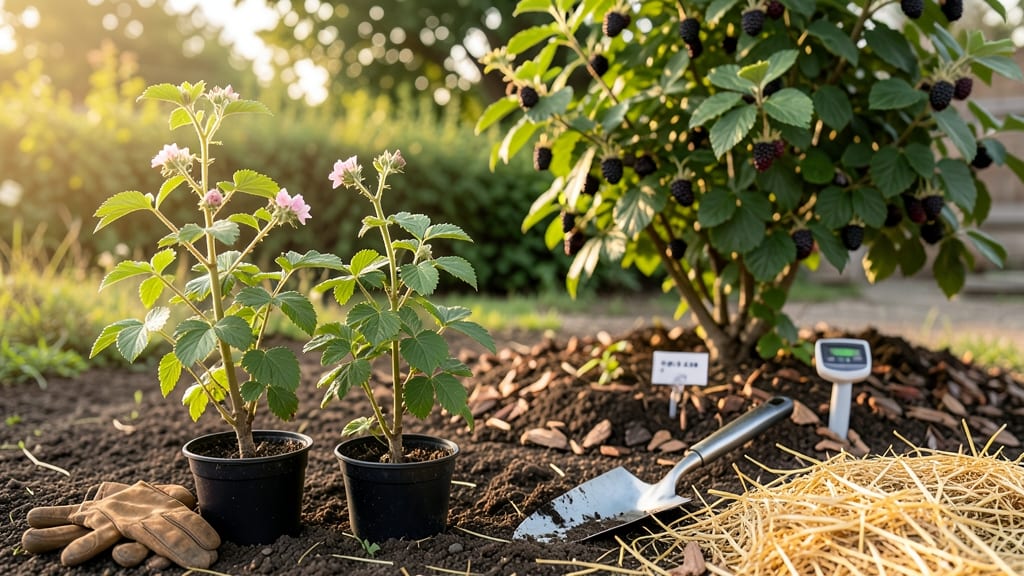
Best planting windows for blackberries in Indiana’s USDA Zone 6b
Indiana’s USDA Zone 6b climate—with its late spring frosts and hot summers—demands precise timing for blackberry planting. Plant too early, and frost will damage tender roots. Plant too late, and your bushes won’t establish strong roots before winter.
The ideal windows are early spring (March-April) or early fall (September-October), when soil temperatures hover between 50°F and 60°F.
For spring planting, aim for 2-4 weeks after your last frost date (typically mid-April in most of Indiana). This gives young canes time to root before summer heat arrives.
In northern Indiana (Zone 6a), push planting slightly later—wait until late April—to avoid frost damage. Southern Indiana gardeners can start as early as March 15.
Fall planting offers a second chance, but act quickly. Plant 6-8 weeks before your first frost (usually by September 15 in Zone 6b). This allows roots to establish before winter dormancy. Avoid planting in late fall—new growth won’t harden off before cold snaps hit.
Soil temperature is critical. Use a soil thermometer to confirm it’s above 50°F before planting. Cold soil slows root growth, leaving your blackberries vulnerable to root rot or winter dieback. In Indiana’s heavy clay soils, warming happens slower—wait until soil reaches 55°F for safety.
Microclimates matter! If you’re in a sheltered valley or near large bodies of water, frost dates shift. Use a local frost calendar (like Purdue’s Extension resources) to adjust your timeline. For example, Lake County may have a 2-week later frost date than Vigo County.
⚠️ CRITICAL: Never plant blackberries in summer heat (June-August). The stress of transplanting + high temps = shocked plants that struggle to recover. If you miss spring/fall windows, hold off until next year—your berries will thank you!
| Planting Window | Soil Temp Requirement | Indiana Timeline | Key Consideration |
|---|---|---|---|
| Early Spring | 50°F–60°F | March 15–April 30 | Avoid frost; roots need 6+ weeks to establish |
| Early Fall | 50°F–60°F | September 1–15 | Plant 6–8 weeks before first frost |
| Avoid | N/A | June–August | Transplant shock + heat stress = poor survival |
| Northern IN (Zone 6a) | 55°F+ | April 15–May 15 | Later frost dates; wait for soil warmth |
Bare-root canes are the best choice for Indiana gardeners—they’re cheaper and establish faster than potted plants. When selecting canes, look for plump, firm roots and dormant buds (no green growth).
Soak roots in water for 2–4 hours before planting to rehydrate them, especially if you’re planting in dry spring conditions.
Spacing is non-negotiable. Plant canes 3–4 feet apart in rows 8–10 feet apart to allow airflow and reduce disease pressure (a common issue in Indiana’s humid summers). Use trellising from day one—blackberries need support to thrive, and Indiana’s windy conditions can flatten unSupported bushes.
After planting, mulch heavily (3–4 inches of straw or wood chips) to retain moisture and regulate soil temperature. In northern Indiana, add an extra layer of mulch in late fall to insulate roots during harsh winters.
This simple step can mean the difference between survival and loss in Zone 6b’s freeze-thaw cycles.
Finally, water deeply after planting to eliminate air pockets in the soil. Blackberries hate dry soil—consistent moisture (especially in Indiana’s clay-heavy soils) ensures strong root development. Aim for 1–1.5 inches of water per week, more during fruit set. A drip irrigation system is
Best planting windows for blackberries in Indiana’s USDA Zone 6b
Indiana’s USDA Zone 6b climate creates a narrow window for planting blackberries—too early risks frost damage, while waiting too long limits root establishment before winter. The ideal planting months are early spring (March-April) or early fall (September-October), when soil temperatures hover between 50°F and 60°F.
For spring planting, aim for 2-4 weeks before your last frost date (typically around April 15 in most of Indiana). This gives roots time to grow before summer heat arrives.
In northern Indiana (Zone 6a), shift planting slightly later to avoid late spring frosts that can kill tender new growth.
| Planting Window | Soil Temp | Key Consideration |
|---|---|---|
| Early Spring (March-April) | 50°F-60°F | Avoid frost dates; roots establish before summer |
| Early Fall (September-October) | 55°F-65°F | 6-8 weeks before first frost; reduces transplant shock |
| Late Fall (November) | Below 50°F | Risky; roots may not harden before freeze |
Fall planting offers advantages: cooler temperatures reduce transplant shock, and established roots enter winter stronger. However, plant at least 6-8 weeks before your first frost (around October 15) to allow roots to harden before cold sets in. Southern Indiana’s milder microclimates may extend this window slightly.
If you’re planting bare-root canes, soak them in water for 2-4 hours before planting to rehydrate roots. This is especially critical in Indiana’s heavy clay soils, which dry out quickly in summer. Always plant canes with the crown 1-2 inches above soil level to prevent rot.
For container-grown blackberries, the window is slightly more flexible—you can plant throughout spring and early fall—but still avoid extreme heat or frost. Just ensure containers have drainage holes and use well-draining potting mix to prevent root rot in Indiana’s humid summers.
Pro tip: Use black plastic mulch in early spring to warm soil faster, giving your blackberries a head start. This is particularly useful in northern Indiana, where cooler soils delay planting. Just remove it once berries form to prevent overheating.