
Plants
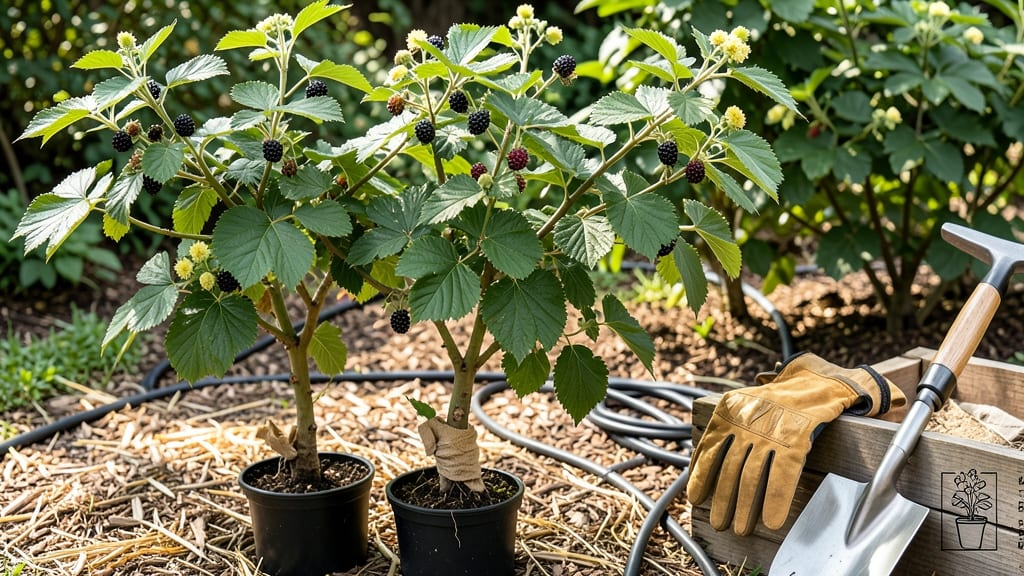
If you’ve ever dreamed of when to plant blackberries in Arkansas and plucking juicy, homegrown berries 🫐 straight from your garden, timing is the secret ingredient to success.
Planting these thorny (or thornless!) shrubs at the wrong time can mean smaller harvests or even failed crops, but get it right, and you'll enjoy berries from late spring through early fall.
Arkansas' 7a-8a climate zones create a unique window for planting—either in late winter/early spring (February-March) or fall (September-October). The key is matching your chosen variety to Arkansas' chill-hour requirements, which determine when those canes will burst into fruit.
Let me show you exactly how to sync your planting schedule with nature's calendar.
We'll cover everything from soil prep to frost protection, so you can avoid common mistakes like planting too early and risking frost damage. Whether you're working with bare-root canes or containerized plants, these actionable steps will help your blackberries establish strong roots before the growing season kicks into high gear.
By the end, you'll know not just when to plant, but how to set your blackberries up for a bountiful harvest—complete with tips for extending the season and keeping pests at bay. Ready to turn your backyard into a berry patch? Let's get started.
Arkansas chill-hour requirements: matching varieties to your zone’s winter cooling
Arkansas’ climate—spanning USDA Zones 7a-8a—creates unique challenges for blackberry growers. Unlike northern states, we don’t face extreme winters, but our mild winters and hot summers demand careful variety selection based on chill-hour requirements.
Most Arkansas gardeners fall into the 500–1,000 chill-hour range, which directly impacts which blackberry varieties will thrive in your yard.
Chill hours are the accumulated hours below 45°F (7°C) that blackberries need to break dormancy and flower properly. Planting the wrong variety—like a high-chill northern cultivar—can result in poor fruiting, even if you plant at the "right" time.
For example, 'Chester' (600–800 hours) does well in central Arkansas, while 'Natchez' (500–700 hours) suits southern counties with fewer chill hours.
To find your local chill-hour total, check with your local Cooperative Extension Service or use online calculators that plug in your ZIP code.
Most of Arkansas falls into these ranges: - Northern Arkansas (Zones 7a-7b): 700–1,000 hours - Central Arkansas (Zone 7b-8a): 500–800 hours - Southern Arkansas (Zone 8a): 400–600 hours
Here’s how to use this data to choose the best varieties for your garden:
| Variety | Chill-Hour Range | Best Arkansas Zones | Notes |
|---|---|---|---|
| Chester | 600–800 | 7a–8a | Thornless, high yield, needs trellis |
| Natchez | 500–700 | 7b–8a | Thornless, early ripening, compact |
| Ouachita | 400–600 | 8a | Southern favorite, heat-tolerant |
| Arapawa | 500–700 | 7a–8a | Disease-resistant, large berries |
| Prime-Ark 4 | 600–900 | 7a–7b | Arkansas-bred, high disease resistance |
Once you’ve matched your chill-hour zone to the right variety, the next step is timing. Arkansas gardeners have two prime windows to plant blackberries: late winter/early spring (February–March) and fall (September–October).
Spring planting gives canes time to establish roots before summer heat, while fall planting allows roots to settle before winter dormancy.
For spring planting, aim to get canes in the ground 4–6 weeks before your last frost date (typically mid-March in most of Arkansas). This gives roots time to establish before the heat of summer.
If you choose fall planting, do it 6–8 weeks before the first frost (usually by early October in northern Arkansas and late October in the south).
Pro tip: If you’re planting in southern Arkansas (Zone 8a), where winters are milder, you can even plant as late as November and still get good establishment. The key is ensuring the soil isn’t frozen and there’s enough time for roots to grow before cold snaps hit.
After selecting the right variety and timing, the next critical step is soil preparation. Arkansas’ clay-heavy soils can be challenging, but amending them with compost and organic matter improves drainage and fertility. I’ll cover soil prep and other Arkansas-specific tips in the next section—stay tuned!
Step-by-step planting timeline for Arkansas: when to buy, prepare, and set out bare-root vs. containerized blackberries
Arkansas’ late winter to early spring window (February–March) is ideal for planting blackberries, but timing depends on whether you’re using bare-root canes or containerized plants. Bare-root varieties arrive dormant in early spring, while potted plants offer flexibility for fall or spring planting.
Here’s my month-by-month breakdown to avoid common pitfalls like frost damage or poor root establishment.
Start by checking your last frost date—Arkansas averages March 15 in most zones. Plant 4–6 weeks before to give roots time to establish before summer heat. For containerized plants, you can extend this window into early April if soil temps stay cool.
📅 Month-by-Month Arkansas Blackberry Planting Guide
- 🌱 January: Order bare-root canes (mail-order) or prepare soil. Test pH (5.5–6.5) and amend with compost.
- 🌿 February: Soak bare-root canes in water for 2–4 hours before planting. For containerized plants, harden off if purchased early.
- 🪴 March (Early): Plant bare-root canes 2–3 inches deep, spacing 4–6 ft apart in trenches for support.
- 🌳 March (Late): Transplant containerized plants into prepared beds. Mulch heavily with pine straw to retain moisture.
- ☀️ April: Prune canes to 6–8 buds and install trellis supports immediately to guide growth upward.
If you prefer fall planting (September–October), choose containerized plants to avoid disturbing roots in wet soil. Arkansas’ first frost typically arrives by November 15, so plant at least 6 weeks before to ensure roots establish before winter dormancy.
Pro tip: Water deeply immediately after planting and maintain 1–2 inches of mulch around the base to protect roots from temperature swings. Arkansas’ humid climate can lead to fungal issues, so avoid overhead watering after transplanting.
For thornless varieties like ‘Natchez,’ follow the same timeline but monitor for bird damage—net young plants if needed. Containerized plants handle Arkansas’ clay-heavy soils better, but amend with organic matter to improve drainage.
Remember: Spring planting gives berries a head start, while fall planting reduces summer stress. Either way, prioritize well-draining soil and full sun to maximize your Arkansas blackberry harvest.