
Plants
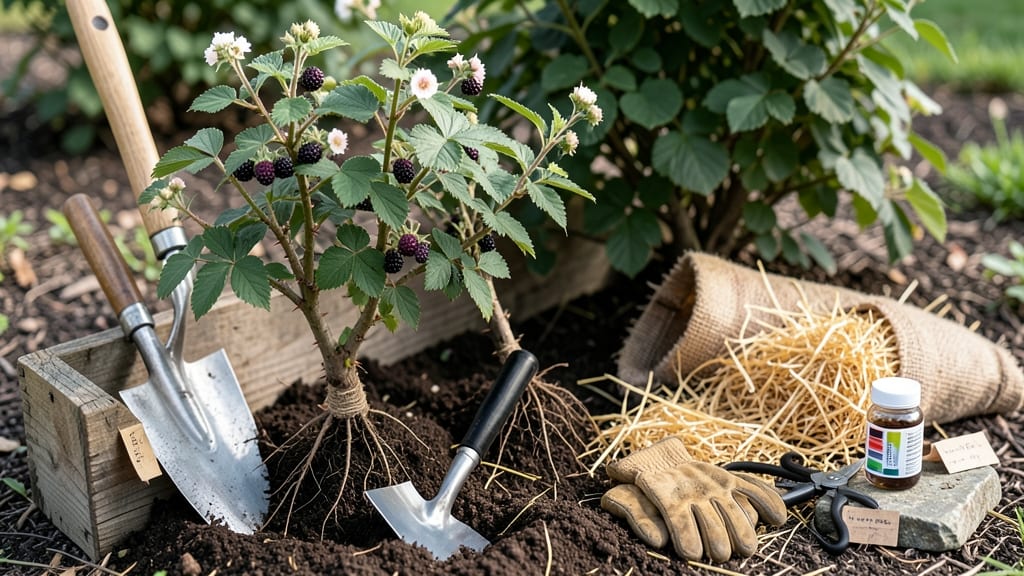
Georgia’s Best planting windows for blackberries by chill-hour zones
Georgia’s climate varies dramatically from the mountains of North Georgia (USDA Zone 7a) to the coastal plains of South Georgia (Zone 8b), which directly impacts when to plant blackberries. The key factor is chill hours—blackberries need 300–1,000 hours below 45°F to flower properly.
Plant too early in mild zones, and your bushes may bolt; too late, and they won’t get enough winter chill. Let’s break it down by region and variety.
For North Georgia (Zones 7a-7b), where winters are colder, aim for late winter to early spring (February–March). This gives canes time to establish roots before summer heat arrives.
In Central Georgia (Zone 8a), plant in early fall (September–October) to avoid summer stress. South Georgia (Zone 8b) can plant in both fall and early spring, but fall is preferred to beat the intense summer humidity.
Here’s how to match varieties to chill hours: - ‘Arapaho’ (500–700 chill hours) → Ideal for North Georgia. - ‘Navaho’ (300–500 chill hours) → Perfect for Central/South Georgia. - ‘Ouachita’ (800+ chill hours) → Best for North Georgia’s colder microclimates.
Pro tip: Use bare-root canes in early spring or container-grown plants in fall. Container plants let you delay planting until soil temps hit 60°F (use a soil thermometer!).
| Region | USDA Zone | Chill Hours | Best Planting Window | Top Varieties |
|---|---|---|---|---|
| North Georgia | 7a-7b | 800–1,000+ | Feb–March (spring) or Oct (fall) | Ouachita, Arapaho |
| Central Georgia | 8a | 500–700 | Sep–Oct (fall) or Feb (spring) | Navaho, Chester |
| South Georgia | 8b | 300–500 | Aug–Sep (fall) or Feb–March (spring) | Navaho, Prime-Ark Freedom |
If you’re in South Georgia’s coastal plains, avoid planting in low-lying areas where cold air pools—this can delay spring warmth and stress young plants. Instead, choose slightly elevated sites with good airflow to reduce humidity-related diseases like anthracnose.
For container growing, plant in late winter (February) so roots establish before summer. Use 5-gallon pots with drainage holes and a well-draining potting mix. Move containers to a shaded spot in peak summer (10–2 PM) to prevent heat stress.
Always check your local Cooperative Extension Service for last frost dates—North Georgia’s average last frost is March 15, while South Georgia’s can be as late as April 1. Planting 4–6 weeks before your last frost date gives canes a head start.
Heat-tolerant varieties like ‘Prime-Ark Freedom’ thrive in South Georgia’s 90°F+ summers, while ‘Chehalem’ handles North Georgia’s humid summers better. Match your variety to your microclimate for sweeter, larger berries and fewer pests.
After planting, mulch with 3–4 inches of pine straw to retain moisture and suppress weeds. In North Georgia, add a light winter mulch (straw or leaves) to protect roots from freeze-thaw cycles.
🫐
Step-by-step pre-planting prep for georgia’s soil and climate
Georgia’s clay-heavy soils and humid summers demand extra prep work before planting blackberries. Without proper soil prep, your canes may struggle with root rot or nutrient deficiencies, leading to poor yields.
Start by testing your soil’s pH level—blackberries thrive in acidic soil (5.5–6.5). If your soil is too alkaline, amend it with peat moss or sulfur 2–3 months before planting.
Next, focus on drainage, especially in low-lying areas where water pools. Mix compost or sand into heavy clay soils to improve aeration. For container growing, use a well-draining potting mix with perlite or vermiculite.
Georgia’s summers can be brutal, so mulch heavily with pine straw or wood chips to retain moisture and keep roots cool.