Plants
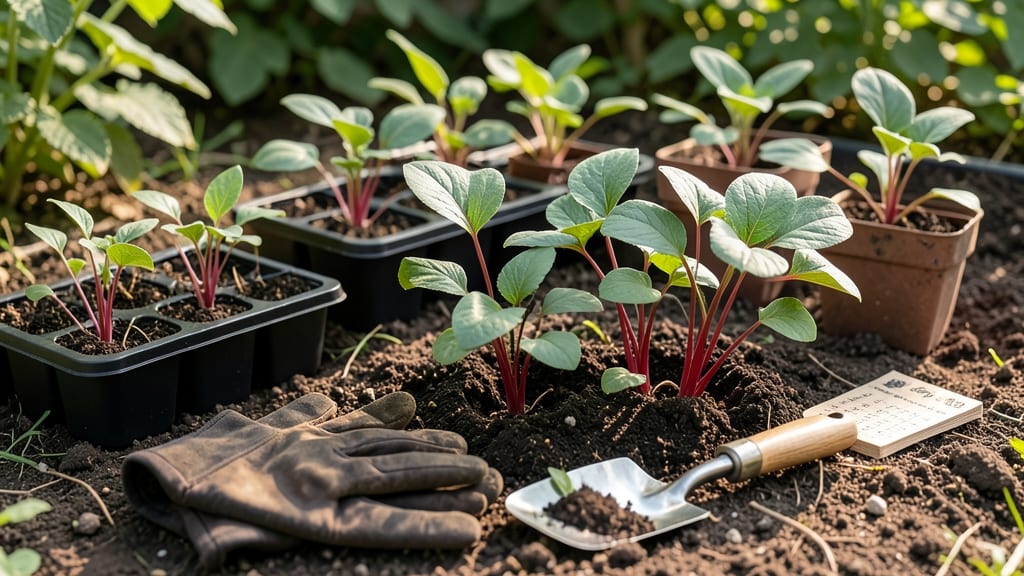
Timing your 🍠 beet planting in Seattle isn’t just about following a calendar—it’s about outsmarting the city’s famously fickle weather. Skip the guesswork and plant at the right moments, and you’ll enjoy tender, sweet harvests from June through November without wrestling with frost damage or stunted growth.
Seattle’s USDA Zone 8a climate gives you two prime windows to get beets in the ground: early spring (March 15–April 30) and late summer (August 15–September 30). These dates align with soil temperatures that encourage germination, while avoiding the last frost (typically around March 15) and first frost (October 15).
But here’s the secret: microclimates matter. Urban areas like Capitol Hill may frost later than rural zones near Lake Washington, so I’ll show you how to adjust planting dates based on your exact neighborhood.
Whether you’re a first-time gardener or a seasoned green thumb, these tweaks mean the difference between a bountiful harvest and a sad, shriveled mess.
Ready to grow beets that thrive? I’ll walk you through soil prep, seed spacing, and even how to stretch your harvest season with simple tricks. Let’s get those roots growing the right way—no more wasted seeds or bolted greens.
Seattle beet planting calendar by microclimate zones
Seattle’s diverse microclimates mean your beet planting schedule should vary depending on whether you’re in urban heat islands, cooler Eastside suburbs, or maritime-influenced areas like the San Juan Islands.
The last average frost date for Seattle is March 15, but urban areas like Ballard or Capitol Hill can warm up 2-3 weeks earlier due to heat retention.
For rural areas near Lake Washington or the Cascades foothills, hold off until April 1 to avoid late-season frosts. The first frost typically arrives around October 15, but elevated areas like Snoqualmie Pass can experience frost as early as September 20.
Soil temperature is critical—beets won’t germinate well below 45°F (7°C). Use a soil thermometer to confirm 50°F (10°C) minimum for consistent sprouting. In warmer microclimates like West Seattle, you can start indoor seeds in February for transplanting after last frost.
| Zone | Spring Planting Window | Soil Temp Threshold | Fall Planting Window | Notes |
|---|---|---|---|---|
| Urban Heat Islands (Ballard, Capitol Hill, South Lake Union) | March 1 - April 15 | 50°F+ (10°C+) | August 15 - September 30 | Warmer microclimate; risk of bolting in summer |
| Eastside Suburbs (Bellevue, Kirkland, Redmond) | March 15 - April 30 | 48°F+ (9°C+) | August 1 - September 20 | Cooler nights; prioritize row covers |
| Maritime Areas (San Juan Islands, Bainbridge Island) | April 1 - May 15 | 52°F+ (11°C+) | July 15 - August 30 | Longer cool season; extend with cold frames |
| Rural Areas (Snoqualmie Valley, Woodinville) | April 10 - May 1 | 50°F+ (10°C+) | August 10 - September 10 | Higher elevation; watch for early frosts |
For succession planting, sow new seeds every 2 weeks from March to May and again from July to August to ensure a continuous harvest.
In urban gardens, use container gardening to plant beets on balconies or rooftops—just ensure pots have drainage holes and 6+ hours of sun.
If you’re in a slug-prone neighborhood (like Green Lake or Fremont), opt for heat-tolerant varieties like 'Detroit Dark Red' or 'Golden' beets, which mature faster and are less appealing to pests. Always water in the morning to reduce slug activity at night.
Pro tip: Use a planting calendar app like Gardenate or Farmers’ Almanac to get hyper-localized alerts for Seattle’s frost dates. These tools adjust for your specific ZIP code and can save your harvest from a late-season surprise freeze.
For late-summer planting, aim for August 15 to ensure beets mature before the first frost. Choose bolt-resistant varieties like 'Chioggia' or 'Luttee' for heat tolerance. Mulch with straw or grass clippings to keep soil consistently moist and cool.
Remember: Seattle’s maritime climate
How to extend beet season in Seattle’s cool climate
Seattle’s chilly, damp summers and early autumn frosts can shorten your beet harvest—but with the right strategies, you can enjoy fresh roots from spring through fall. The key? Cold-hardy varieties, protective covers, and smart succession planting to beat Seattle’s 165-day frost-free window.
Start by choosing heat-tolerant beet varieties like 'Detroit Dark Red' or 'Golden', which handle Seattle’s summer heat spikes better than standard types. These varieties also resist bolting (premature flowering) when temperatures dip, a common issue in our cool, wet springs.
🌱
- 🌱 Succession Planting: Sow seeds every 2-3 weeks from March to September for continuous harvests. Example: Plant March 15, April 1, May 15, then again in August.
- 🌡️ Cold Frames: Use low-tech cold frames to push harvests into late October/early November. Add clear plastic lids on mild days to trap heat.
- 🛡️ Row Covers: Protect seedlings with floating row covers during late spring (April-May) to accelerate growth by 10-14 days and deter pests like leaf miners.
- ☀️ Summer Shade Cloth: In July-August, use 30% shade cloth to prevent bolting from heat stress. Secure cloth 3-4 feet above plants for airflow.
- ❄️ Frost Blankets: Cover mature beets with lightweight frost blankets when nighttime temps drop below 30°F. Remove blankets by 10 AM to avoid soggy soil.
For late-summer plantings (August-September), focus on quick-maturing varieties like 'Babybeat' (ready in 45 days) to harvest before first frost. Test soil temperatures—beets need 45°F+ to germinate, so wait until mid-August when soil warms.
Mulch heavily with straw or wood chips to insulate roots and retain moisture. In clay-heavy Seattle soil, add compost to improve drainage—waterlogged roots turn woody and bitter, a common issue in our wet autumns.
🌿 With these tactics, you’ll harvest sweet, tender beets from June through November, beating Seattle’s short growing season. Start small—try one succession batch this year and expand next season!