
Plants
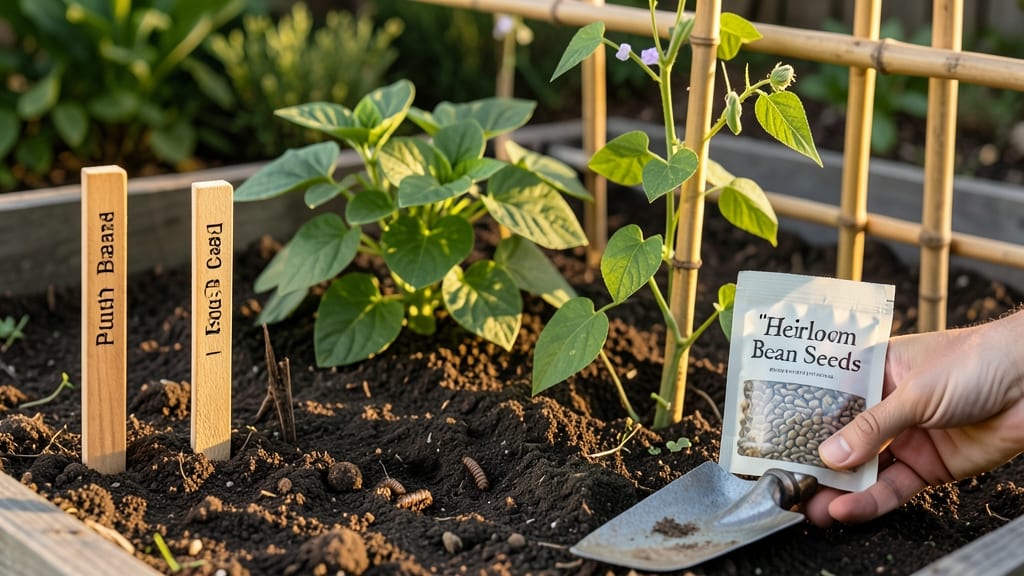
Knowing when to plant beans in Zone 5 can make or break your harvest—especially when late frosts and unpredictable spring weather threaten to derail your plans. Unlike hardy greens, beans need warm soil and consistent temperatures to thrive, which means timing is everything.
Most gardeners in Zone 5 wait until mid-April to early June, but the real secret lies in soil temperature, not just calendar dates. A simple soil warmth test (like pressing your wrist into the ground) can tell you if it's safe to plant—usually when it hits 60°F or higher.
This small step prevents wasted effort and ensures your 🌱 beans get the start they deserve.
Beyond the spring window, Zone 5 gardeners can also try late-summer plantings for a second harvest. With 60-70 days to maturity, beans can still produce pods before the first frost in mid-October if you act fast. The key? Stagger your plantings and watch for those early signs of frost.
In this guide, I’ll break down the exact steps to nail your planting schedule—from testing soil warmth to calculating your frost-free window. Let’s get those beans growing the right way!
Best planting times for beans in Zone 5 based on soil temperature
Beans are one of my favorite warm-season crops because they grow so quickly—but only if planted at the right time. In Zone 5, the key factor isn’t just the calendar date; it’s your soil temperature.
Most bean varieties need soil to warm up to at least 50°F for bush beans or 60°F for pole beans before they’ll germinate properly. Planting too early in cold soil means seeds rot in the ground, while waiting too long can shorten your harvest window.
I’ve learned the hard way that late frosts in Zone 5 (which can linger into May) are a real threat to young bean plants. That’s why I always check soil warmth before planting, not just the air temperature.
A simple soil thermometer is my go-to tool, but even without one, you can use the "wrist test"—if the soil feels warm enough to hold your wrist for 5 seconds, it’s likely ready for beans.
Regional variations within Zone 5 also matter. Northern areas (like Minnesota or Upstate New York) may need to wait until late May, while southern parts (like Northern Indiana or Ohio) can plant as early as mid-April. Always adjust for your microclimate, like a sheltered garden spot that warms up faster than others.
Here’s my rule of thumb for planting beans in Zone 5: - Bush beans: Plant when soil hits 50°F (usually mid-April to early May). - Pole beans: Wait for 60°F soil (usually late May). - Succession plantings: Add another round every 2-3 weeks until early July for a continuous harvest.
| Bean Type | Ideal Soil Temp | Zone 5 Planting Window | Harvest Time |
|---|---|---|---|
| Bush Beans | 50°F+ | Mid-April to early May | 60-70 days after planting |
| Pole Beans | 60°F+ | Late May to early June | 70-80 days after planting |
| Succession Planting | 50°F+ | Every 2-3 weeks until July | Staggered harvests |
If you’re unsure about your soil temperature, try this DIY test: Bury a thermometer 2 inches deep in the soil and check it in the morning. For bush beans, aim for 50°F or warmer; for pole beans, wait until it hits 60°F.
Pro tip: Dark-colored soil warms up faster than light soil, so consider using black plastic mulch to speed up the process in cooler springs.
Another trick I use is planting cold-hardy varieties like "Contender" or "Provider" earlier in the season. These can tolerate slightly cooler soils and give you a head start. Just be prepared to use row covers if a late frost sneaks in.
For pole beans, varieties like "Kentucky Wonder" thrive in warmer soil but need extra support—so plan your trellis setup ahead of time!
Don’t forget that late summer plantings are also possible in Zone 5. After your first frost (usually mid-October), you can sow fast-maturing varieties like "Blue Lake" for a fall harvest.
These beans need to mature before the first hard frost, so aim to plant them by early August at the latest.
One of my biggest lessons? Overestimating how quickly soil warms up. Last year, I planted bush beans in early April, and a late frost wiped out my entire crop. Now, I wait until I’ve seen 3 consecutive days above 50°F before committing. Patience pays off—trust me!
For extra insurance, I always keep a soil thermometer handy and check it every morning. If the temperature drops below 45°F at night, I’m ready to cover my seedlings with frost cloth. It’s a small effort that saves hours of disappointment later.
Calculating your Zone 5 frost-free window for bean planting
Determining your last frost date is critical for bean planting success in Zone 5. Unlike heat-loving plants, beans can tolerate light frosts (down to 30°F), but young seedlings won’t survive hard freezes.
Start by checking the USDA Plant Hardiness Zone Map for your exact location—even within Zone 5, frost dates can vary by 1-2 weeks between northern (e.g., Chicago) and southern (e.g., St. Louis) areas.
Use local weather stations or apps like Old Farmer’s Almanac to find your average last frost date, typically mid-May in Zone 5. Add a 2-week buffer for safety, as spring weather is unpredictable.
For example, if your last frost is May 15, aim to plant by May 1 to ensure beans have time to mature before first frost in mid-October.
Use the USDA Zone 5 map or local weather data to pinpoint your average last frost (usually mid-May).
Plant 2 weeks before your last frost date to account for unpredictable cold snaps.
Plant early varieties (e.g., Blue Lake) by April 15 for a June harvest. Save late varieties (e.g., Kentucky Wonder) for June-July planting.
Use floating row covers to plant 2 weeks earlier or 2 weeks later than your frost-free window.
For succession planting, sow new seeds every 2 weeks from mid-April to early June to ensure a continuous harvest. If you’re in a northern Zone 5 area (e.g., Detroit), prioritize cold-tolerant varieties like Provider beans, which can handle 50°F soil.
In southern Zone 5 (e.g., Nashville), you can push planting into early July for a fall harvest before frost.
Pro tip: Mark your garden calendar with your frost dates and planting windows. This ensures you’re ready to act when soil temperatures hit 50°F+—the sweet spot for bean germination. With the right timing, you’ll enjoy fresh beans from July to September! 🌱