
Plants
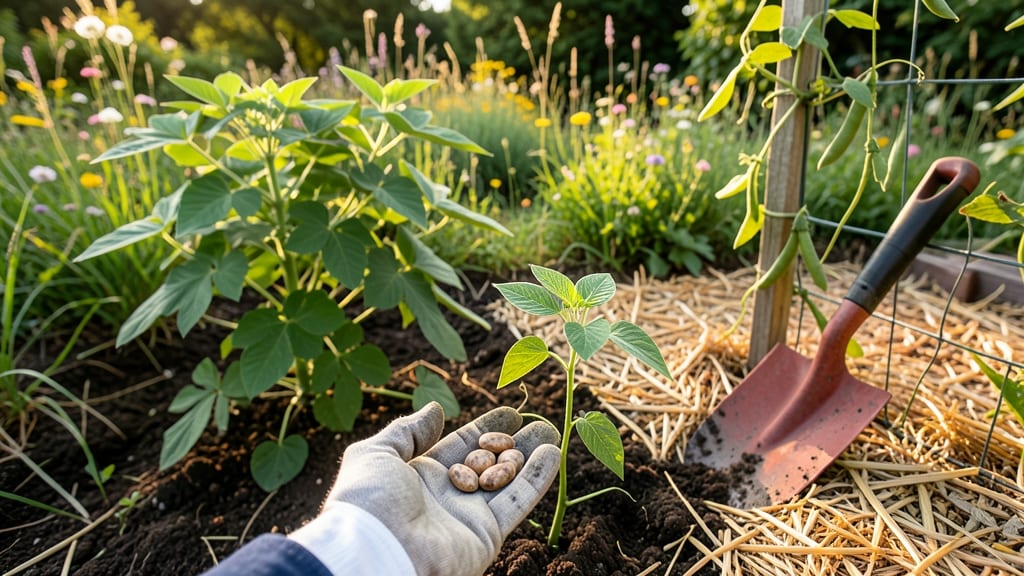
Timing your beans planting in Minnesota is the key to a bountiful harvest—or a sad, frost-killed disappointment. 🌱 With our short growing season and unpredictable spring weather, knowing exactly when to pop those seeds in the ground can make or break your garden.
Most gardeners wait until after the last frost date—typically mid-May to early June—but soil temperature matters just as much. Beans need warm soil to germinate, so don’t rush the process.
I’ll walk you through the best planting windows, variety-specific tips, and how to stretch your harvest season in Minnesota’s cooler climate.
Whether you’re growing bush beans for quick snacks or pole beans for a towering harvest, getting the timing right means fewer empty vines and more fresh pods from July to September. Let’s dive into the perfect schedule so you can enjoy homegrown beans all season long.
From choosing fast-maturing varieties to using row covers for late starts, I’ve got the strategies to help you maximize your garden’s potential—no matter where you are in USDA zones 3b-5b. Ready to turn your bean dreams into reality?
Minnesota bean planting zones: frost dates by region
Minnesota’s diverse climate means last frost dates can vary by hundreds of miles. In southern cities like Rochester, you might plant beans by May 10th, while northern areas like Duluth wait until June 1st.
Understanding your USDA zone (3b-5b) helps pinpoint the perfect window for bush beans and pole beans to thrive.
Beans are frost-sensitive—even a light freeze can kill seedlings. That’s why soil temperature matters just as much as air temperature. Aim for 60°F+ soil before planting, which typically aligns with 2-3 weeks after last frost.
Use a soil thermometer to confirm readiness, especially in cooler microclimates like the Twin Cities.
Here’s how regional frost dates shape your planting schedule:
| Region | USDA Zone | Avg. Last Frost | Ideal Planting Window | Notes |
|---|---|---|---|---|
| Southern MN (Rochester, Mankato) | 5a-5b | May 5–10 | May 15–25 | Longer growing season; try late varieties. |
| Twin Cities (Minneapolis, St. Paul) | 4b-5a | May 15–20 | May 30–June 10 | Use row covers for early starts. |
| Northern MN (Duluth, Brainerd) | 3b-4a | June 1–5 | June 15–25 | Short season; choose fast-maturing varieties. |
| Western MN (Fargo, Moorhead) | 4a-4b | May 20–25 | June 1–10 | Dry soils; mulch to retain moisture. |
For pole beans, which take longer to mature, plant 2-3 weeks earlier than bush beans. Their vining habit gives them a slight edge in cooler areas. In Zone 4, this might mean starting seeds indoors in late April for a transplant in early June.
Always check your local Almanac frost predictions—they’re updated yearly and account for climate shifts.
If you’re in a transition zone (like Zone 4b near the border), err on the side of planting later. A few extra weeks of warmth ensure your beans avoid blossom-end rot and bacterial diseases that thrive in cool, damp soil.
Pro tip: Test your soil for pH between 6.0–7.0—beans prefer slightly acidic to neutral conditions.
Don’t forget succession planting! In southern Minnesota, you can squeeze in 2–3 harvests by planting every 2 weeks from late May to early July. This works especially well for bush beans, which mature faster. For pole beans, focus on one main planting to avoid overcrowding.
Watch for false springs—those warm spells in April that trick you into planting early. Beans won’t tolerate frost, even if they’ve sprouted.
If nighttime temps dip below 50°F, cover seedlings with frost cloth or move pots indoors temporarily. Cold soil can also stunt growth, so avoid planting until the ground warms up.
For container gardening in Minnesota, start seeds 4–6 weeks before your last frost date. Containers warm up faster than soil, giving you a 2-week head start.
Place pots near a south-facing wall or use a grow light to extend daylight hours. Just remember: pole beans need sturdy trellises—even in pots!
Track your local microclimate. Urban areas like Minneapolis can be 5°F warmer than rural spots just <
Best bean varieties for Minnesota’s short growing season
Minnesota’s cool summers and short growing season demand bean varieties that mature quickly—think 50-60 days to harvest. The right variety ensures you’ll enjoy fresh, crisp beans before the first frost hits in mid-October. I’ve tested these top picks in my own garden, and they consistently deliver in Minnesota’s climate.
Fast-maturing varieties like 'Provider' and 'Kentucky Wonder' are my go-to choices. They thrive in Minnesota’s USDA Zones 3-5, tolerate cool evenings, and resist common diseases like bean rust and powdery mildew. These varieties also handle Minnesota’s inconsistent rainfall better than slower-growing types.
For pole beans, I recommend 'Rattlesnake'—a heat-tolerant variety that produces long, straight pods perfect for fresh eating or canning. Its 60-day maturity gives it enough time to thrive in Minnesota’s 120-150 frost-free days.
If you prefer bush beans, 'Blue Lake' is a reliable pick with a 55-day harvest and disease resistance.
Here’s the breakdown of my top 5 varieties, including their ideal planting times and harvest windows to maximize your Minnesota garden’s potential:
| Variety | Type | Days to Maturity | Planting Time | Harvest Window | Notes |
|---|---|---|---|---|---|
| Provider | Bush | 50-55 days | Mid-May to early June | July to early August | Disease-resistant, great for canning |
| Kentucky Wonder | Pole | 55-60 days | Early June | Late July to September | Heat-tolerant, high yield |
| Blue Lake | Bush | 55 days | Late May to early June | July to August | Crisp pods, disease-resistant |
| Rattlesnake | Pole | 60 days | Early June | Late July to September | Long pods, heat-tolerant |
| Tendercrop | Bush | 48-52 days | Late May | Early July to early August | Fastest maturing, great for short seasons |
If you’re planting late varieties like 'Rattlesnake', start seeds indoors in April and transplant after the last frost. This gives them a head start to produce pods before Minnesota’s first frost in October.
For bush beans, direct sow after the soil warms to 60°F—usually mid-May in most regions.
Pro tip: Succession plant every 2 weeks from June to July for a continuous harvest. This works especially well with 'Tendercrop', which matures in just 48-52 days. Even in Minnesota’s short season, you can enjoy fresh beans from July through September with the right planning.