
Plants
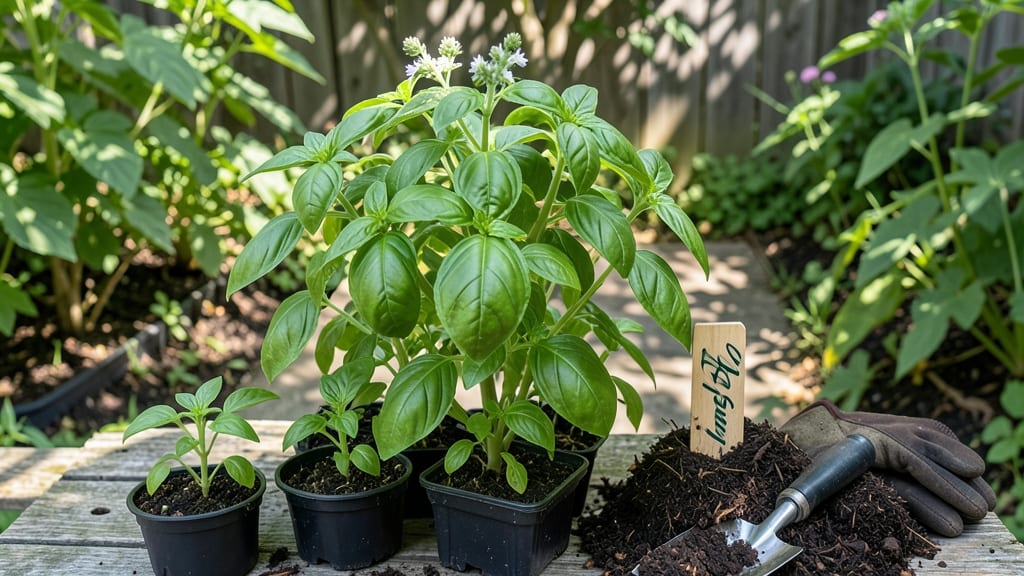
Timing your basil planting in Oregon can mean the difference between a thriving 🌿 herb garden and a sad, bolted disappointment—especially when those coastal fogs linger longer than expected in the Willamette Valley.
Most gardeners in zones 7b-9a wait until after the last frost (typically April 15-May 15), but Portland’s urban heat islands and Southern Oregon’s early springs create microclimates that shift your ideal window by 2-4 weeks. Get it right, and you’ll enjoy fresh basil from June through September.
I’ll show you how to read your local frost data, when to start seeds indoors vs. direct-sow outdoors, and which garden spots in Oregon give basil the perfect sun exposure without turning it bitter.
Skip the guesswork—let’s turn your basil into the star of your summer kitchen, not a fleeting experiment.
Oregon’s frost-free dates for basil: zone-specific planting calendar
Oregon’s USDA zones 7b-9a create wildly different last frost dates—from March 15 in Portland to April 1 in Medford. Planting basil too early risks frost damage, while waiting too long shrinks your harvest window.
My Willamette Valley garden thrives when I time basil for mid-April to early May, but high-desert areas like Bend need to wait until late May.
Basil’s ideal soil temperature is 50°F or warmer. In Oregon, this typically aligns with after the last frost, but coastal areas (Astoria) may need to delay until May 1 due to lingering chill.
Always check Oregon State University’s frost maps for your exact location—your neighbor’s planting date might be wrong for you.
Here’s my zone-by-zone breakdown of when to plant basil in Oregon, including transplant windows and harvest readiness:
| Region | USDA Zone | Last Frost Date | Plant Window | First Harvest | Notes |
|---|---|---|---|---|---|
| Portland/Willamette Valley | 7b-8a | March 15 | April 15 - May 1 | June 1 | Urban heat islands plant 1-2 weeks earlier |
| Eugene/Springfield | 8a-8b | March 20 | April 10 - April 25 | May 20 | Cooler valleys delay planting by 1 week |
| Medford/Ashland | 8b-9a | April 1 | April 20 - May 5 | May 15 | Longer growing season; plant early |
| Bend/High Desert | 6b-7a | May 15 | May 30 - June 15 | July 1 | Short season; use row covers |
| Coastal (Astoria) | 7b-8a | April 10 | May 1 - May 15 | June 15 | Fog delays warming; plant later |
For Portland gardeners, I start seeds indoors 4 weeks before last frost (mid-February) to ensure hardy seedlings ready for transplant by April 15. In Southern Oregon (Medford), I direct-sow after April 1 since the soil warms faster.
The key? Test soil temperature with a soil thermometer—basil roots won’t thrive below 50°F.
Pro tip: Use Oregon State University’s Garden Guides or the Almanac’s frost calculator to input your ZIP code. My Portland garden shows a 90% frost-free date of April 10, but I wait until April 15 to play it safe. Overestimating warmth leads to bolting basil—a gardener’s worst nightmare.
If you’re in Zone 7b (like The Dalles), consider container gardening to move pots indoors before October’s first frost. My herb pots on the patio extend the season by 3-4 weeks compared to in-ground plants. Just ensure containers have drainage holes—basil hates soggy roots.
For coastal Oregon, where fog lingers into May, I recommend Genovese basil—it’s more cold-tolerant than Sweet basil. Plant near south-facing walls to absorb reflected heat. In high-desert areas, opt for dwarf varieties like Spicy Globe to mature faster in the shorter season.
Remember: Basil’s flavor peaks in full sun. If your microclimate gets less than 6 hours of sunlight, supplement with a grow light for 12-14 hours daily. My Portland balcony basil thrives under LED grow lights when natural light dips below 4 hours/day.
Finally, mark your calendar for October 15—that’s when Portland’s first frost typically hits. By then, I’ve already harvested and dried my basil or potted up seedlings for indoor growing. Don’t let late-season basil go to
How Oregon microclimates change basil planting by 2-4 weeks
Oregon’s diverse geography means your neighbor’s perfect basil planting time might be too early—or too late—for your garden. The Willamette Valley’s urban heat islands can push last frost dates back by 2 weeks, while coastal areas like Astoria may see frost linger until early May.
Even within Portland, a microclimate shift of 10°F can change your transplant window by 3-4 weeks.
Understanding these variations is critical because basil hates cold. Soil temperatures below 50°F stunt growth, and even light frost will kill your seedlings. If you plant too soon in a cold microclimate, your basil will bolt prematurely—flowering instead of producing flavorful leaves.
Here’s how to decode Oregon’s microclimates and adjust your timing accordingly:
Concrete and buildings trap heat, delaying frost. Plant 2-3 weeks earlier than average last frost dates.
Fog keeps temps cooler. Wait until May 1-15 for safe transplanting, even if inland areas are ready earlier.
Dry air and cold nights mean later planting. Aim for May 15-June 1 to avoid frost risk.
Cold air sinks here. Plant 1-2 weeks after nearby hillsides to avoid late frosts.
Warmer microclimate allows earlier sowing. Start seeds indoors by March 15 for transplant by April 15.
To pinpoint your microclimate, check Oregon State University’s Garden Guides or use a home weather station for 2-3 years. Look for these 3 signs your microclimate is unique:
- Frost patterns: If your garden frosted while nearby areas didn’t (or vice versa), note the dates.
- Plant survival: Observe which cold-hardy plants (like kale) thrive while others fail—this reveals your frost risk.
- Soil warmth: Use a soil thermometer to compare your garden’s temperature with neighbors’; differences of 5°F or more mean you need adjusted timing.
For example, in Portland’s inner east side, I’ve successfully transplanted basil by April 10—weeks before west-side gardens are frost-free. The trick? Monitor local conditions and adjust your planting calendar accordingly. With this approach, you’ll avoid the heartbreak of bolted basil and maximize your harvest.