
Plants
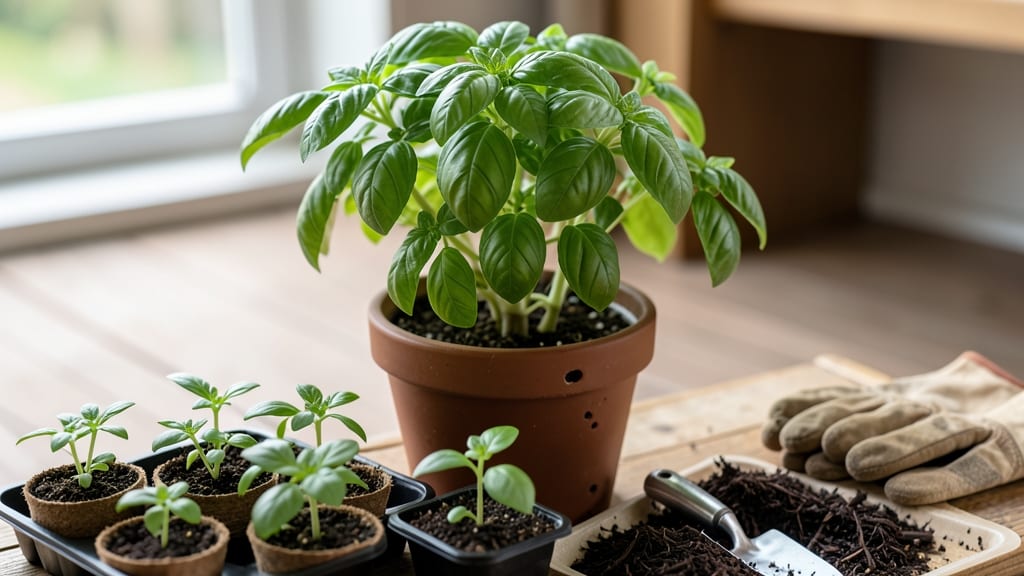
Timing your basil planting in Oklahoma can mean the difference between sweet, flavorful leaves and bitter, woody stalks that bolt too soon. With Oklahoma's unpredictable springs and scorching summers, getting the window right is everything.
Most gardeners in USDA Zone 7a wait until after the last frost—typically between April 15 and May 15—to plant basil. This ensures your 🌿 thrives without the risk of frost damage or premature flowering.
But here's the catch: Oklahoma's heat can stress basil if planted too early or too late. I'll show you exactly when to start seeds indoors, when to transplant seedlings, and how to extend your harvest through summer's peak.
Whether you're growing basil in containers or garden beds, these tips will help you avoid common mistakes and enjoy fresh, aromatic leaves from June through October—no bitter surprises included.
Oklahoma basil planting deadlines by USDA Zone 7b (avoid bolting & heat stress)
Timing is everything when growing basil in Oklahoma. The state’s USDA Zone 7b offers a short but sweet window for this heat-loving herb. Plant too early, and you risk frost damage or stunted growth.
Wait too long, and your basil bolts—flowering prematurely—turning bitter and woody. My goal? Help you nail those planting deadlines to harvest sweet, flavorful leaves from June through October.
Oklahoma’s last average frost date hovers between March 15–April 15, depending on the year. This means your basil seedlings should hit the ground no earlier than April 15. For direct sowing, wait until soil temperatures consistently reach 50°F or warmer, usually around mid-April.
If you’re transplanting, start seeds indoors 6–8 weeks before your target outdoor date to avoid shocking tender roots.
Here’s the kicker: basil hates heat stress. Once temperatures climb past 90°F, your plants may bolt or develop a harsh flavor. To beat the heat, I recommend planting early spring seedlings by May 15 at the latest.
For a fall harvest, try a late summer succession planting (August) using heat-tolerant varieties like Thai basil.
| Stage | Action | Timing | Notes |
|---|---|---|---|
| Start Indoors | Sow seeds | February 15–March 1 | Use grow lights for 12–14 hours/day |
| Transplant Outdoors | Move seedlings | April 15–May 15 | After last frost, soil ≥50°F |
| Direct Sow | Plant seeds | Mid-April–May | Cover with row fabric until sprouts |
| Succession Plant | Sow for fall | Late July–August | Choose heat-resistant varieties |
| Harvest | Pinch flowers | June–October | Harvest leaves before flowering |
Oklahoma’s unpredictable spring weather can throw off your planting schedule. To stay on track, I monitor local frost forecasts from the Oklahoma Mesonet. If frost is predicted after your seedlings are in the ground, cover them with frost cloth or a row tunnel.
Pro tip: Harden off seedlings gradually by exposing them to outdoor conditions for 1–2 hours daily starting 10 days before transplanting.
Another critical factor is soil temperature. Basil roots struggle in cold soil, so I always check temperatures with a soil thermometer. Aim for 50°F or warmer at a depth of 2 inches.
If your soil is cooler, delay planting or use black plastic mulch to warm it up faster. In Oklahoma’s clay-heavy soils, amending with compost improves drainage and warmth retention.
Don’t overlook container growing for basil in Oklahoma. Pots give you flexibility to move plants to shadier spots during peak summer heat. Use containers with drainage holes and fill them with a light, well-draining potting mix.
Place containers near your south-facing window or on a patio where they’ll get 6–8 hours of sunlight. This method also helps extend your harvest into early fall.
If you’re new to growing basil, start with transplanted seedlings instead of direct sowing. Seedlings give you a head start and reduce the risk of seedling diseases common in Oklahoma’s humid springs.
Look for compact varieties like Genovese or Spicy Globe, which handle Oklahoma’s heat better than tall, sprawling types. Always space plants 12–18 inches apart to prevent fungal issues from poor airflow.
For a second harvest in fall, try planting Thai basil or Purple Basil in late summer. These varieties tolerate warmer temperatures better and can produce leaves until the first frost in November.
Just be sure to harvest regularly to encourage bushier growth and delay bolting. Pinch off flower buds as soon as they appear to keep your basil focused on leaf production.
Remember, Oklahoma’s microclimates vary—what works in Tulsa might differ from Oklahoma City. Adjust your planting timeline based on your specific location’s frost dates. When in doubt, err on the side of planting later rather than earlier.
A few extra weeks of warmth will give your basil the best chance to thrive before summer’s relentless heat sets in.
5 Pro tips to extend basil’s growing season in Oklahoma’s climate
Oklahoma’s unpredictable heat waves and early frosts can cut your basil’s season short—but these 5 pro tips help you grow lush, flavorful basil from spring to fall. Whether you’re dealing with 95°F+ summers or November chill, these strategies keep your plants thriving.
First, use shade cloth (30-50%) during peak afternoon sun (12 PM–4 PM) to prevent heat stress. This mimics natural shade and keeps leaves from scorching while still allowing 6+ hours of morning light for photosynthesis.
I’ve seen basil bolt in 90°F+ temps without shade, so this is non-negotiable for Oklahoma’s summers.
- 🔹 Use shade cloth (30-50%) during afternoon heat to prevent bolting
- 🔹 Practice succession planting: Sow new seeds every 2-3 weeks from April–July for continuous harvests
- 🔹 Check soil temp with a thermometer—60°F+ is ideal for germination and growth
- 🔹 Plant near tomatoes (companion planting) to deter pests like aphids and whiteflies
- 🔹 Harvest aggressively in fall to stimulate bushier growth before first frost
For fall harvests, try succession planting: Start new seeds every 2-3 weeks from April through July. This ensures you always have fresh basil while older plants mature. I’ve had October harvests using this method—just be sure to harden off seedlings before transplanting to avoid shock.
Don’t overlook soil temperature—basil seeds need 60°F+ soil to germinate. Use a soil thermometer to check before planting. In Oklahoma’s USDA Zone 7b, soil can still be too cold in early spring, delaying growth.
If temps are below 55°F, wait or use a mini greenhouse to warm the soil.
Companion planting with tomatoes, peppers, or oregano deters pests like aphids and whiteflies, which love basil. I’ve noticed fewer infestations when basil grows near marigolds or basil’s own cousins, like Thai basil. Plus, it’s a space-saving hack for small gardens!
Finally, harvest aggressively in fall to encourage bushier growth. Pinch back flower buds and harvest outer leaves first to keep plants productive. With these tips, you can enjoy sweet basil until November—just cover plants with frost cloth if temps dip below 32°F.