
Plants
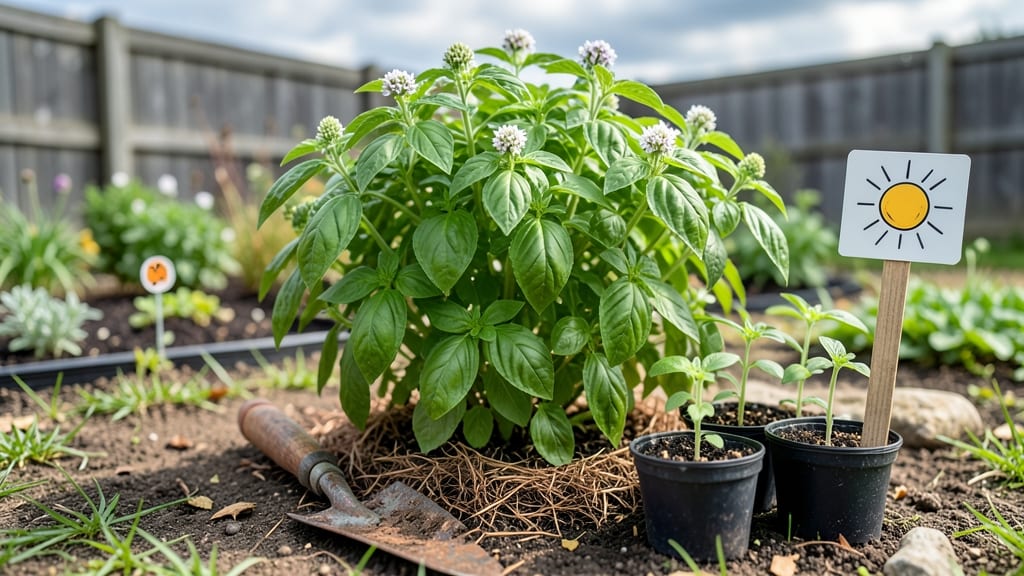
Timing is everything when it comes to growing 🌿 basil in Arizona—plant too early, and you’ll fry your seedlings in the desert sun; too late, and you miss the sweetest harvests.
The key to success lies in understanding your local microclimate, whether you're in Phoenix's scorching low desert or Flagstaff's cooler highlands.
Most Arizona gardeners swear by planting basil between September and March, when evening temperatures dip below 90°F and the monsoon season’s humidity gives way to crisp mornings. This window lets you avoid the brutal summer heat that causes basil to bolt—turning your fragrant herb into a bitter, flower-laden disappointment.
But here’s the game-changer: with the right shade strategies and watering tricks, you can actually grow basil year-round in Arizona. I’ll show you how to stretch your harvest into summer and protect your plants from both heat stress and unexpected cold snaps—no matter where you live in the state.
Ready to turn your backyard into a basil oasis? Let’s dive into the exact planting schedule, heat-proofing tips, and seasonal hacks that’ll keep your herb thriving from fall through spring—and maybe even beyond.
Optimal planting months for basil in Arizona’s 3 climate zones
Arizona’s diverse climate means basil planting times vary dramatically between the Low Desert (Phoenix), Mid Desert (Prescott), and High Desert (Flagstaff). While most regions enjoy frost-free winters, heat tolerance becomes the real challenge—especially during monsoon season.
The key is planting when daytime temps stay below 90°F and nights dip below 75°F.
In my Low Desert garden (Zone 10a), I’ve found that late summer to early fall (August–September) is ideal for seed sowing, while transplanting seedlings works until mid-October.
Higher elevations like Flagstaff (Zone 7b) can even plant in early spring (March) before summer heat arrives. Let’s break down the perfect schedule for each zone.
🌱
| Climate Zone | Best Planting Window | Key Temperature Thresholds | Heat Management Tips |
|---|---|---|---|
| Low Desert (Phoenix) | Aug 15–Sep 30 (seeds) Sep 15–Oct 15 (seedlings) |
Day: <75°F Night: <80°F |
Use 30% shade cloth June–July Water deeply at dawn |
| Mid Desert (Prescott) | Mar 15–Apr 30 (spring) Aug 1–Sep 15 (fall) |
Day: <85°F Night: <70°F |
Mulch with straw to retain moisture Avoid planting during June–July |
| High Desert (Flagstaff) | Mar 1–Apr 15 (spring) Aug 15–Sep 30 (fall) |
Day: <80°F Night: <65°F |
Use row covers for spring frost Extend season with cold frames |
For year-round basil in the Low Desert, I’ve had success with a staggered planting approach: Start seeds in late August, transplant seedlings in mid-September, and replant again in early December for a winter harvest.
This ensures a continuous supply of fresh leaves for pesto—just don’t let temps dip below 50°F at night.
In Mid Desert areas like Prescott, the spring planting window (March–April) is critical because summer heat arrives earlier. I’ve learned to monitor the 10-day forecast and plant as soon as soil temps drop below 75°F. A soil thermometer is your best friend here—basil roots prefer 60–75°F for optimal growth.
High Desert gardeners in Flagstaff face different challenges: late spring frosts and shorter growing seasons. My trick? Use black plastic mulch to warm the soil in early spring, then transplant hardy varieties like 'Spicy Globe' once nighttime temps stay above 55°F.
With this method, I’ve harvested basil as late as October in protected microclimates.
Pro tip: Avoid planting basil in June or July anywhere in Arizona—even the High Desert. The combination of intense sun and dry heat causes basil to bolt prematurely (flower and become bitter). Instead, focus on late summer or early fall for the sweetest, most flavorful leaves.
One mistake I made early on was assuming all Arizona zones were the same. In Phoenix, I lost my first basil batch by planting in May—the plants wilted within days.
But in Flagstaff, that same timing would’ve been perfect for a spring crop. Always check your local USDA zone and microclimate before planting.
For container gardening in urban Arizona, timing shifts slightly. Pots heat up faster, so I plant 2–3 weeks later than in-ground gardens. Use self-watering containers with 50% perlite to mimic desert soil’s drainage while keeping roots cool. This extends the growing season by 3–4 weeks in both summer and winter.
🌿
Optimal planting months for basil in Arizona’s 3 climate zones
Arizona’s diverse climate means your basil planting schedule depends on whether you’re in the Low Desert (Phoenix), Mid Desert (Prescott), or High Desert (Flagstaff). Each zone has unique temperature swings that affect when to plant for maximum growth without bolting.
Let’s break down the best windows for each region to ensure your basil thrives year-round.
In the Low Desert, where summer temps can hit 110°F+, basil struggles after May. Instead, focus on planting from late August through October to avoid heat stress. This timing lets your plants establish roots before winter’s mild chill.
For the Mid Desert, cooler nights arrive earlier, so you can start as early as mid-August and extend until November.
The High Desert offers the most flexibility due to its cooler climate. Here, you can sow seeds as early as late July and continue through October.
Even winter planting (December–February) works if you use row covers for frost protection. The key is avoiding soil temps above 85°F, which triggers bolting.
| Climate Zone | Best Planting Window | Heat Tolerance Tip | Avoid Planting After |
|---|---|---|---|
| Low Desert (Phoenix) | Late August–October | Use shade cloth 30% in summer | May (soil too hot) |
| Mid Desert (Prescott) | Mid-August–November | Water deeply at dawn only | June (extreme heat) |
| High Desert (Flagstaff) | Late July–October | Use row covers for winter | April (spring warmth) |
For year-round harvests, I recommend a staggered planting approach. Start with seeds in August for fall growth, then transplant seedlings in October for winter harvests. In the Low Desert, you can even squeeze in a spring batch in March before summer heat arrives.
Always choose heat-tolerant varieties like 'Genovese' or 'Thai' for better survival.
Pro tip: Test your soil before planting—basil prefers pH 6.0–7.0. Amend with compost if your soil is sandy (common in Arizona). This ensures your plants access nutrients even during the dry season.
Mulch with straw to retain moisture and regulate soil temperature, which is critical in our desert climate.
Remember, evening temperatures are your best guide. Once they drop below 90°F, it’s safe to plant. Use a soil thermometer to confirm—aim for 60–75°F for optimal germination. With these timing tricks, your basil will stay lush and flavorful, even in the Arizona sun! 🌱