
Trees
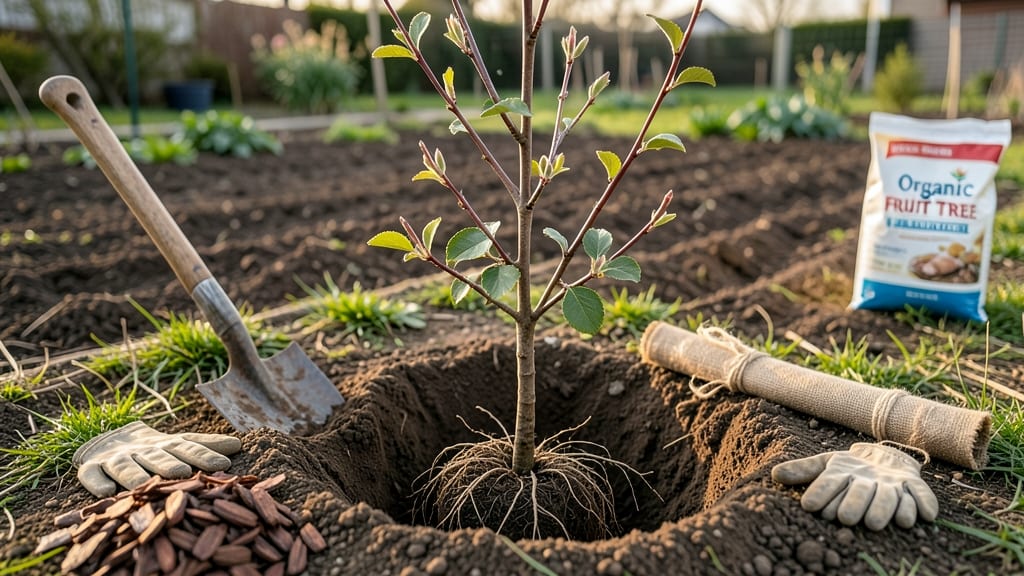
Planting your 🍎 apple tree at the right time in Arkansas is the difference between a thriving orchard and years of disappointment. The key isn't just about the calendar—it's about giving those roots the perfect window to establish before winter chill sets in.
Most Arkansas gardeners assume spring is the only option, but fall planting actually gives your tree a head start on root growth before dormancy. With USDA zones 7a-8b, you've got a narrow but critical planting window—one that varies by tree type and local frost patterns.
In this guide, I'll break down exactly when to plant (and why), how Arkansas' climate affects your choices, and the 5 critical factors that separate successful plantings from failed ones. No more guessing—just science-backed timing for your future harvest.
Whether you're planting a dwarf variety for your backyard or a standard tree for serious orcharding, these insights will help you avoid common mistakes and set your apple tree up for strong, healthy growth right from the start.
Optimal planting windows in Arkansas: months for best apple tree root establishment
Arkansas gardeners know timing is everything when planting apple trees. The state's USDA Zones 7a-8b create a unique window for planting that balances root establishment with winter chill requirements. Missing this window can lead to stunted growth or even winter damage.
For best results, aim to plant your apple trees between late February and early April. This period allows roots to establish before Arkansas' hot summers arrive. The ideal soil temperature for planting is between 40°F and 60°F—perfect for root growth without stressing the tree.
Here's why this timing works: Planting in late winter lets roots grow before the tree breaks dormancy. By early spring, your tree will be ready to focus on foliage and fruit production instead of struggling to adapt.
Dwarf varieties need slightly more precise timing since they're more sensitive to stress. Plant them 2-3 weeks earlier than standard trees to give their delicate roots extra time to settle in Arkansas' humid climate.
Fall planting is possible but riskier in Arkansas due to unpredictable weather. If you choose fall planting, do it between October and November—but only if your area has mild winters. The roots need time to establish before the first frost, which typically hits around mid-November.
One common mistake is planting too late in spring. By May or June, Arkansas' heat can stress young trees. Their roots won't have time to establish before summer's intensity, leading to poor growth and reduced fruit production the following year.
Always check your local last frost date—most of Arkansas experiences it around March 15. Planting 4-6 weeks before this date gives your tree the best chance to establish before summer arrives.
Consider Arkansas' humid summers when planning. Young trees need consistent moisture during their first growing season. Planting in early spring gives you time to establish proper irrigation systems before the heat peaks.
🌱 Planting Window Comparison for Arkansas Apple Trees
| Planting Window | Best For | Soil Temp | Root Establishment | Arkansas Risk |
|---|---|---|---|---|
| Late February | Standard & Dwarf | 40-50°F | Excellent | Low (cold snaps) |
| March-April | All Varieties | 50-60°F | Optimal | Very Low |
| October-November | Hardy Varieties | 50-60°F | Good (if timed) | Moderate (frost risk) |
| May-June | Emergency Only | 60-70°F | Poor | High (heat stress) |
Remember that Arkansas' northern regions (like the Ozark Mountains) have slightly cooler microclimates. These areas can safely plant 1-2 weeks later than southern Arkansas. Always check your specific microclimate conditions before finalizing your planting date.
For container-grown trees, adjust your timing slightly. They establish roots faster than bare-root trees, so you can plant them 1-2 weeks later in spring. This gives you flexibility if early spring weather is unpredictable.
After planting, focus on mulching to retain moisture and regulate soil temperature. Use 2-3 inches of organic mulch around your tree (but keep it away from the trunk) to protect those delicate new roots during Arkansas' hot summers.
How Arkansas' winter chill hours impact apple tree planting decisions
Arkansas' USDA Zones 7a-8b mean apple trees need 300-1000 chill hours to set fruit properly. Planting at the wrong time can disrupt this critical dormancy process, leading to poor yields or no fruit at all.
For example, varieties like Gala or Fuji thrive here because they meet Arkansas' chill hour requirements—typically 500-800 hours—but timing matters just as much as variety selection.
In Arkansas, fall planting (October-November) is ideal for bare-root trees because cooler soil temperatures help roots establish before winter dormancy. However, spring planting (February-March) is safer for container-grown trees, as Arkansas' unpredictable late frosts can damage newly planted roots if soil is still cold.
The key is aligning planting with soil temperatures above 40°F and avoiding frost windows.
Here’s how chill hours influence your planting timeline: Apple trees planted in late fall benefit from a natural dormancy period, while spring plantings must establish roots before summer heat stresses young trees.
Arkansas’ humid summers also mean newly planted trees need consistent moisture to avoid transplant shock during fruit bud formation.
| Variety | Chill Hours Needed | Best Planting Window | Notes for Arkansas |
|---|---|---|---|
| Gala | 500-700 | Late fall or early spring | Low chill risk; thrives in Arkansas heat |
| Fuji | 600-800 | Early spring only | Needs cooler spring for root set |
| Honeycrisp | 800-1000 | Fall planting preferred | High chill; avoid late spring planting |
| Pink Lady | 400-600 | Spring or fall | Tolerates Arkansas’ mild winters |
If you plant in late spring (April-May), prioritize dwarf varieties like Columnar apples, as they establish faster and tolerate Arkansas' heat better. Standard trees planted this late may struggle with summer heat stress before roots develop enough to access deep moisture.
Always check your local first frost date (typically November 15) to avoid planting too close to winter.
Pro tip: Arkansas gardeners should mulch heavily after planting to retain soil moisture and regulate temperature. Use 3-4 inches of organic mulch (like wood chips) to protect roots during Arkansas' hot summers and mild winters. This extra layer also prevents soil-borne diseases common in Arkansas' humid climate.
Remember, chill hours ≠ planting time. Even if your apple variety meets Arkansas' chill requirements, planting too late in spring or too early in fall can still lead to poor establishment.
For example, a Fuji planted in May may not produce fruit the next year because roots didn’t have enough time to grow before dormancy. Always aim for 6-8 weeks of root growth before Arkansas’ first frost.