
Plants
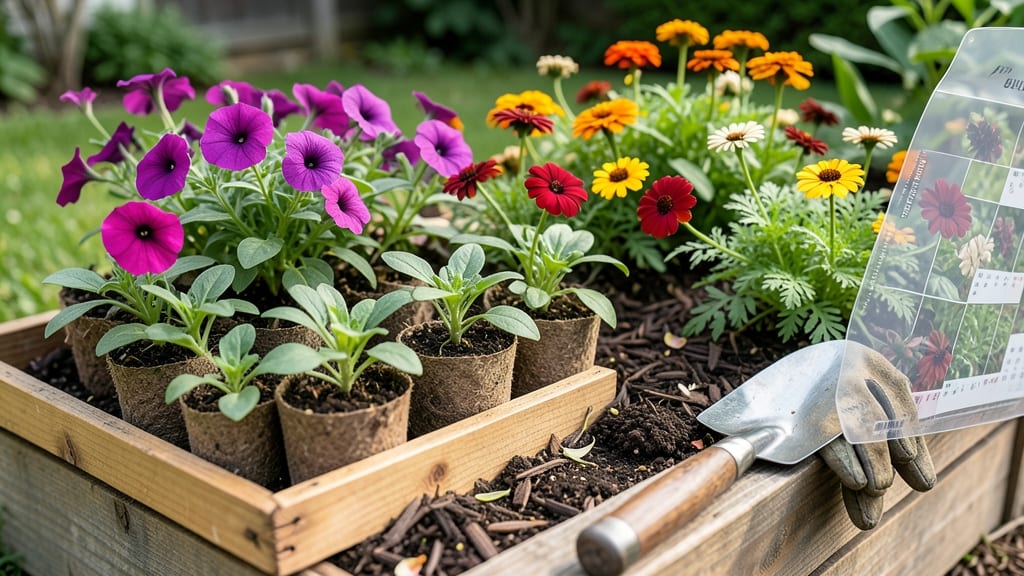
Timing your annuals planting in Pennsylvania isn’t just about guessing—it’s about beating frost before your 🌸 annuals even get a chance to grow. With 6a-7a zones and microclimates that can shift frost dates by weeks, planting too early or too late means your hard work could vanish overnight.
You’ve spent hours picking out vibrant petunias or crisp lettuce, only to watch them wilt when a surprise frost hits. The key? Knowing when the soil warms to 60°F and when to start counting down from the first frost in October.
I’ll show you exactly how to sync your garden with Pennsylvania’s unpredictable weather patterns.
From Philadelphia’s urban heat islands to the cooler mountain valleys, your planting window can vary dramatically. We’ll break down the best times to sow seeds or transplant seedlings, plus pro tips to extend your growing season without risking frost damage.
Ready to turn your garden dreams into reality? Let’s dive into the perfect planting schedule that keeps your annuals thriving from spring to fall—no frost-related disappointments included.
Pennsylvania’s annual planting zones: when to plant by microclimate
Pennsylvania’s USDA Hardiness Zones 5-7 create wildly different planting windows—what works in Philadelphia (Zone 7b) may fail in Erie (Zone 6a) or the Poconos (Zone 5a). The key? Last frost dates and first frost averages, which shift by 2-4 weeks across the state.
For example, Pittsburgh’s last frost typically arrives by April 15, while Scranton’s lingers until May 1. These dates separate success from disappointment for your marigolds, tomatoes, and petunias.
Even within cities, microclimates matter. Urban areas like Allentown (Zone 6b) may see 5°F warmer nights than rural Lancaster County due to the heat island effect. Meanwhile, mountain valleys like State College can experience late spring frosts even after lowland areas have warmed up.
Always check your local weather station or use the National Oceanic and Atmospheric Administration (NOAA) frost maps for precision.
Here’s how to decode your zone and adjust planting times for spring and fall annuals:
| Zone & Location | Last Frost Date | First Frost Date | Spring Planting Window | Fall Planting Window | Cold-Hardy Annuals |
|---|---|---|---|---|---|
| Zone 5a (Poconos, Northeastern PA) | May 1–10 | September 20–30 | May 15–June 15 | August 1–15 | Pansies, Snapdragons, Kale |
| Zone 6a (State College, Harrisburg) | April 20–May 1 | September 25–October 5 | May 1–June 1 | August 10–25 | Violas, Stock, Lettuce |
| Zone 6b (Pittsburgh, Erie) | April 15–25 | September 30–October 10 | April 25–May 15 | August 15–September 1 | Calendula, Sweet Alyssum, Spinach |
| Zone 7a (Philadelphia, Reading) | April 1–10 | October 10–20 | April 15–May 1 | August 20–September 15 | Marigolds, Zinnias, Basil |
| Zone 7b (Delaware Valley) | March 25–April 5 | October 20–November 1 | April 1–April 15 | September 1–15 | Petunias, Geraniums, Swiss Chard |
Notice how Zone 7b (like Philadelphia) can plant
How to extend your planting season without risking frost damage
Pennsylvania’s short growing season (about 165 frost-free days) doesn’t mean you’re stuck with a limited garden. With the right strategies, you can push your planting window by 3-4 weeks in spring and fall—without risking frost damage. The key? Cold-hardy annuals, protective tools, and smart soil prep.
Start with cold-tolerant annuals like pansies, snapdragons, and calendulas. These thrive in 40–50°F soil and can handle light frosts. For extra protection, use row covers or frost cloths to raise soil temps by 5–10°F. Even a simple black plastic mulch can warm roots by 3–5°F.
🌱
- 🌱 Plant cold-hardy annuals (e.g., pansies, lobelia) 4–6 weeks before last frost.
- 🔥 Use row covers or frost cloths to protect seedlings from 28–32°F temps.
- ☀️ Warm soil with black plastic mulch or straw to speed germination.
- 📅 Start fall plantings 4–6 weeks before first frost (late August–early Sept).
- 🪴 Grow container plants—they warm faster and can be moved indoors if frost threatens.
For fall plantings, focus on late-season bloomers like cosmos, zinnias, and mums. These handle cooler temps and even light frosts. Plant them 4–6 weeks before your average first frost (late August–early September).
If temps drop below 30°F, cover them with burlap sacks or old blankets—they’re free and effective!
Soil temperature matters just as much as air temp. Use a soil thermometer to check if it’s at least 50°F before planting cool-season crops like lettuce or spinach. If it’s too cold, try seedling trays indoors under grow lights until conditions improve.
Pro tip: Warm compost piles can heat nearby soil by 10–15°F—place them near early plantings.
Don’t forget container gardening! Pots warm up faster than in-ground soil, giving you a 2–3 week head start in spring. Use heat-absorbing materials like dark-colored containers or stone-filled bottom layers to retain heat. For fall, move containers to sheltered spots (like against a south-facing wall) to delay frost exposure.
Timing is everything—literally. By combining cold-resistant plants, protective covers, and soil warming tricks, you can stretch your PA garden season by nearly 2 months. Just remember: Monitor forecasts and have backup covers ready. A little prep now means longer blooms and bigger harvests all season! 🌿