
Plants
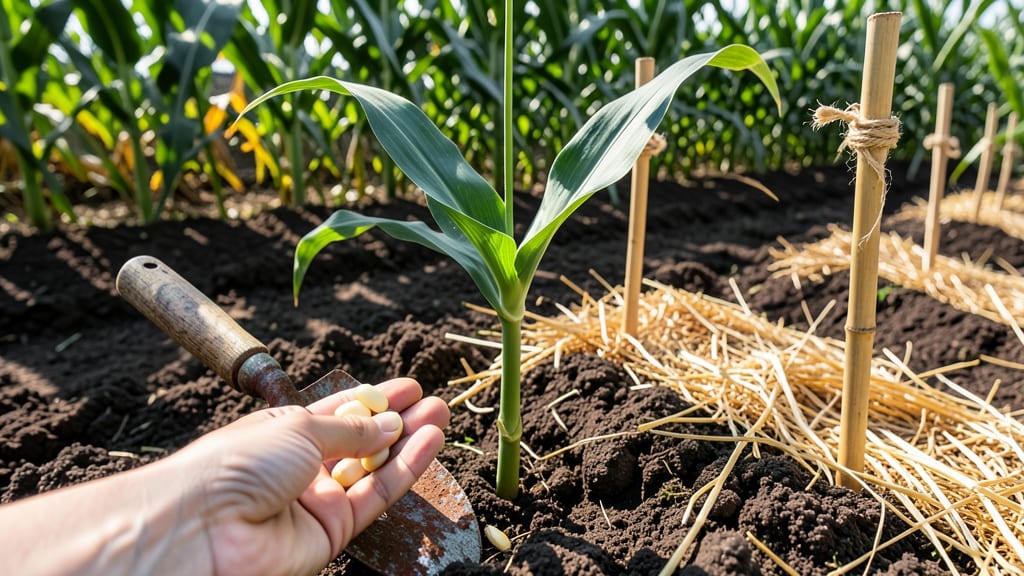
Planting 🌽 corn in San Diego might seem tricky with its Mediterranean climate, but timing it right means you can grow this tall, sweet staple without the usual headaches.
Unlike northern gardens, you won’t worry about frost, but heat spikes and dry spells can still throw off your harvest if you plant at the wrong time.
The key is understanding your microclimate—whether you're near the coast, in the inland valleys, or up in the foothills—each has its own ideal window.
Most gardeners here get two chances: a spring planting in March or April for summer harvests, or a fall planting in September or October for winter ears. But getting those soil temps just right (at least 60°F) makes all the difference.
I’ve tested what works in San Diego’s USDA Zone 10a, and the results speak for themselves: the right variety, planted at the right time, can mean the difference between a few sad ears and a bounty of plump, sweet corn.
Let me walk you through the exact steps to nail your timing, from soil prep to avoiding common mistakes that even experienced gardeners make.
Whether you’re a first-timer or a seasoned grower, these insights will help you turn your backyard into a corn patch that rivals the best farm stands. Ready to grow 🌽 corn like a pro? Let’s get started.
San Diego corn planting calendar: frost-free windows by microclimate zone
San Diego’s frost-free year-round climate makes corn planting more flexible than you’d expect—but don’t let the warm weather fool you. The key to success lies in soil temperatures and heat tolerance, not frost dates.
Coastal areas stay cooler longer, while inland zones can hit 90°F+ by mid-spring, stressing young plants.
For spring planting, aim for March through April when soil temps consistently reach 60°F (15°C). Fall planting works September to October, but harvest before winter rains arrive. Each microclimate has its own sweet spot—let’s break it down by zone.
🌱 PRO TIP: Use a soil thermometer to confirm temps before planting. Corn seeds won’t germinate below 55°F (13°C), and growth stalls above 95°F (35°C).
| Microclimate Zone | Best Planting Window | Soil Temp Goal | Harvest Window | Key Risk |
|---|---|---|---|---|
| Coastal (La Jolla, Pacific Beach) | Late Feb–Early April | 58–62°F (14–17°C) | June–July | Coastal fog delays growth |
| Inland (Escondido, Ramona) | Early March–Mid-April | 60–65°F (16–18°C) | May–June | Heat stress after May |
| Foothills (Julian, Pine Valley) | Mid-March–Early May | 55–60°F (13–16°C) | July–August | Nighttime chills |
| Fall Planting (All Zones) | Late Sept–Early Oct | 60–65°F (16–18°C) | Dec–Jan | Winter rains dilute flavor |
Inland zones like Escondido and Ramona hit 90°F+ by May, which can cause heat stress in corn. Plant early March to harvest before temperatures climb, or choose heat-tolerant varieties like ‘Peaches and Cream’ or ‘Silver Queen’. Coastal areas stay cooler, but fog delays germination—soil thermometers are your best friend here.
For fall planting, focus on September to harvest before December rains dilute sweetness. Avoid October plantings—they often mature too late for peak flavor. 🌽 WARNING: Corn planted after October rarely develops full ears before winter’s chill sets in.
If you’re in high-elevation foothills (like Julian), plant mid-March to avoid nighttime chills that can stunt growth. These areas have cooler soil temps longer, so extend your window by 2–3 weeks compared to coastal zones.
Pro tip: Direct-sow seeds 1–1.5 inches deep, 4–6 inches apart, and thin to 12 inches when seedlings emerge. Corn needs space to pollinate—crowding leads to poor ear development. Use a planting stick for precision in rocky San Diego soil.
Monitor 7-day forecasts for heat waves. If temps exceed 95°F (35°C) during pollination (when tassels appear), shade cloth can save your crop. 💧 HYDRATION HACK: Drip irrigation keeps soil consistently moist, which is critical during San Diego’s dry Santa Ana winds.
Remember: Corn is wind-pollinated, so plant in blocks of 4+ rows for cross-pollination. Single rows or scattered plants often result in poor ear set. For small gardens, try bush varieties like ‘Golden Bantam’ to save space.
Best corn varieties for San Diego’s heat and drought conditions
San Diego’s hot, dry summers and coastal breezes demand corn varieties that thrive under stress. The right heat-tolerant, drought-resistant types can mean the difference between plump ears and stunted plants. My top picks focus on fast maturity (60–90 days) and local adaptability—no floppy stalks or shriveling here!
First, consider sweet corn like ‘Golden Bantam’ (75 days), a heirloom dwarf perfect for containers or small spaces. Its compact stature (4–5 ft) avoids wind damage, and it sweetens quickly before heat stress sets in.
For larger yields, try ‘Peaches and Cream’ (80 days), a bicolor hybrid that handles 90°F+ temps better than most.
Need something hardier for inland areas? Flour corn like ‘Oaxacan White’ (90 days) thrives in drier soils and stores well for homemade tortillas. Its taller stalks (8–10 ft) also shade out weeds—critical in San Diego’s rocky soil.
For popcorn lovers, ‘Strawberry Popcorn’ (100 days) is a red-kernel variety that pops like a dream and tolerates light drought once established.
🌽 San Diego Corn Variety Comparison
| Variety | Type | Days to Maturity | Height (ft) | Heat Tolerance | Drought Resistance |
|---|---|---|---|---|---|
| Golden Bantam | Sweet | 75 | 4–5 | High | Moderate |
| Peaches and Cream | Sweet | 80 | 7–8 | Very High | High |
| Oaxacan White | Flour | 90 | 8–10 | High | Very High |
| Strawberry Popcorn | Popcorn | 100 | 7–9 | Moderate | Moderate |
Pro tip: Plant in blocks, not rows, to ensure cross-pollination (critical for sweet corn). Space 12–18 inches apart in loamy soil amended with compost—San Diego’s sandy loam drains too fast without it. For coastal gardens, add windbreaks like bamboo stakes to prevent stalk lodging during summer gusts.
Where to buy? Local nurseries like Cornucopia Gardens (San Diego) or Baker Creek Heirloom Seeds carry these varieties. Avoid big-box stores—their non-local seeds often struggle with our intense sun. Once planted, mulch heavily with straw to retain moisture and cool roots during 100°F+ days.
Ready to pick? Harvest in the morning when silks turn brown and kernels are milky. Store ears in the fridge for 5–7 days or freeze for long-term use. With the right variety, your San Diego corn will be sweeter and hardier than you imagined!