
Planting
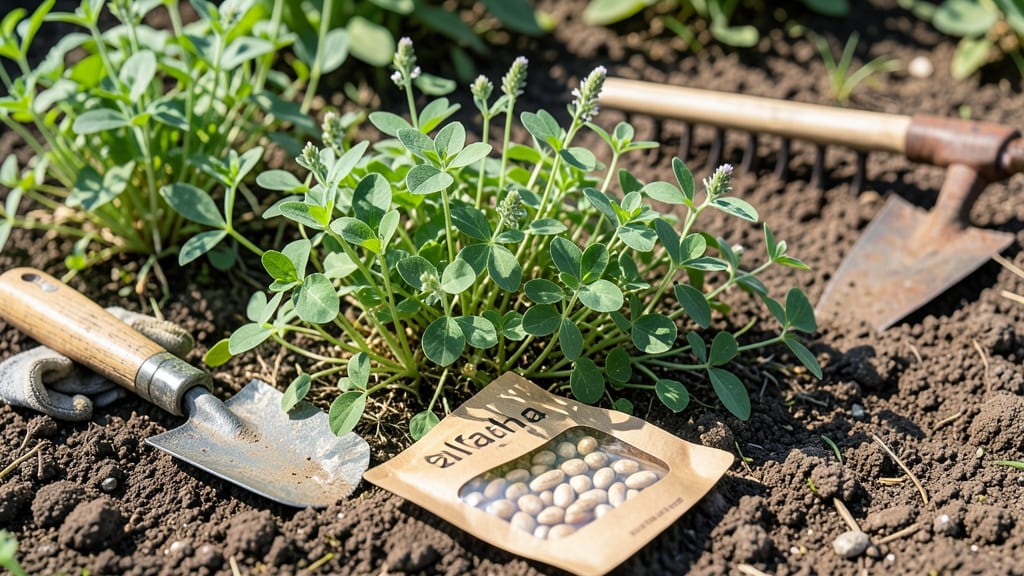
Optimal fall planting windows for alfalfa by USDA hardiness Zones
Alfalfa thrives when planted in late summer to early fall, giving seedlings time to establish roots before winter dormancy. The key is planting 4-6 weeks before your first frost date—this window ensures strong root development while avoiding frost damage to tender shoots.
In USDA Zones 3-10, this translates to different months depending on your climate.
For example, gardeners in Zone 3 (e.g., Minnesota, North Dakota) should aim for mid-August to early September, while those in Zone 7 (e.g., Kansas, Virginia) have until mid-October. Southern zones like Zone 10 (e.g., Florida, Southern California) can extend planting until late November due to milder winters.
Always check your local last frost date—this is non-negotiable for success.
Soil temperature is another critical factor. Alfalfa seeds germinate best in soil that’s 60-75°F (15-24°C). In cooler climates, wait until soil warms sufficiently after summer heatwaves. Use a soil thermometer to confirm—planting too early in cold soil delays germination and weakens seedlings.
| USDA Zone | Ideal Planting Window | Soil Temp Requirement | Frost Risk |
|---|---|---|---|
| Zone 3 (e.g., MN, ND) | Mid-August to early September | 60-70°F (15-21°C) | High (first frost: late Sept-Oct) |
| Zone 5 (e.g., WI, CO) | Late August to mid-September | 65-72°F (18-22°C) | Moderate (first frost: Oct-Nov) |
| Zone 7 (e.g., KS, VA) | Early September to mid-October | 68-75°F (20-24°C) | Low (first frost: Nov-Dec) |
| Zone 9 (e.g., CA, AZ) | Late September to November | 70-75°F (21-24°C) | Minimal (first frost: Dec-Jan) |
🌱 Pro Tip: Use a frost calendar for your county to pinpoint exact dates.
Northern climates face a bigger challenge: shorter growing seasons. If you’re in Zone 4 or colder, prioritize early September planting and use row covers to protect seedlings from early frosts. In contrast, Zones 8-10 can plant later, even into November, thanks to milder winters and longer frost-free periods.
One common mistake is planting too close to frost. Seedlings need 4-6 weeks of growth before winter dormancy. If you miss this window, your alfalfa may not survive the first freeze.
Use this rule of thumb: Count backward from your first frost date and plant within that timeframe. For example, if frost hits November 15, plant by October 1.
Regional adjustments matter too. In dry climates (e.g., Southwest US), wait until monsoon rains moisten the soil before planting. In humid regions (e.g., Southeast US), ensure good drainage to prevent root rot from excessive moisture.
Always test your soil’s drainage capacity by digging a hole—if water pools after 6 hours, amend with compost or sand.
Finally, consider your local microclimate. Low-lying areas or valleys may frost earlier than hilltops. Observe nearby plants like tomatoes or peppers—if they’re already showing frost damage by mid-October, it’s time to plant alfalfa or protect young seedlings with frost cloth.
Pay attention to these natural indicators to fine-tune your planting schedule.
Timing your fall alfalfa planting correctly sets the stage for a lush, productive stand the following spring. With the right zone-specific window and soil prep, you’ll avoid the pitfalls of frost damage or weak seedlings.
Next, we’ll explore the cold-hardy alfalfa varieties that perform best in these fall plantings—some even thrive in Zone 3 winters! 🌿
Optimal fall planting windows for alfalfa by USDA hardiness Zones
Planting alfalfa in fall gives it a 4-6 week head start before winter dormancy, but timing varies drastically by USDA zone. In Zones 3-5, aim for late August to mid-September—this ensures seedlings establish roots before hard frosts hit.
Meanwhile, Zones 6-8 can extend planting until mid-October, while Zones 9-10 may even squeeze in late fall plantings through November if soil stays above 45°F (7°C).
Critical factor: soil temperature. Alfalfa seeds germinate best when soil is 60-75°F (15-24°C). In cooler zones, wait until late summer when daytime highs consistently reach 70°F (21°C) to avoid slow germination. Southern zones can plant earlier, but avoid extreme heat—seeds may dry out before sprouting.
Frost sensitivity is the biggest risk. Seedlings can tolerate light frosts (28°F/-2°C) but die at 20°F (-7°C). Use a frost calendar to calculate your 4-6 week planting window before the first expected frost. For example, if frost hits October 15, plant by September 1 in Zone 5.
| USDA Zone | Ideal Planting Window | Soil Temp Requirement | Frost Risk | Adjustment Tip |
|---|---|---|---|---|
| Zones 3-5 | Late August - Mid-September | 60-75°F (15-24°C) | High (first frost by Oct 15) | Use row covers for early protection |
| Zones 6-8 | Mid-August - Mid-October | 55-70°F (13-21°C) | Moderate (first frost Oct 30-Nov 15) | Plant late September for winter survival |
| Zones 9-10 | September - Early November | 50-65°F (10-18°C) | Low (first frost Dec 15+) | Avoid planting after Nov 15 |
Regional microclimates matter too. Mountainous areas in Zone 5 may need to plant 2 weeks earlier than valley floors due to colder nights. Similarly, coastal zones (like California’s Zone 9) can extend planting into November thanks to milder winters.
Always check your local frost dates—they’re more reliable than zone averages.
Pro tip: Test soil moisture before planting. Fall rains can make soil too wet, leading to rot-prone seedlings. Aim for well-draining soil with 60% moisture—like a damp sponge. If your soil feels soggy, amend with compost or sand to improve drainage before sowing.
Remember: fall-planted alfalfa won’t produce harvestable yields until its second spring, but proper timing now ensures stronger roots and higher survival rates through winter. The key is balancing growth with frost avoidance—plant early enough for root establishment, but late enough to avoid winter kill.