
Plants
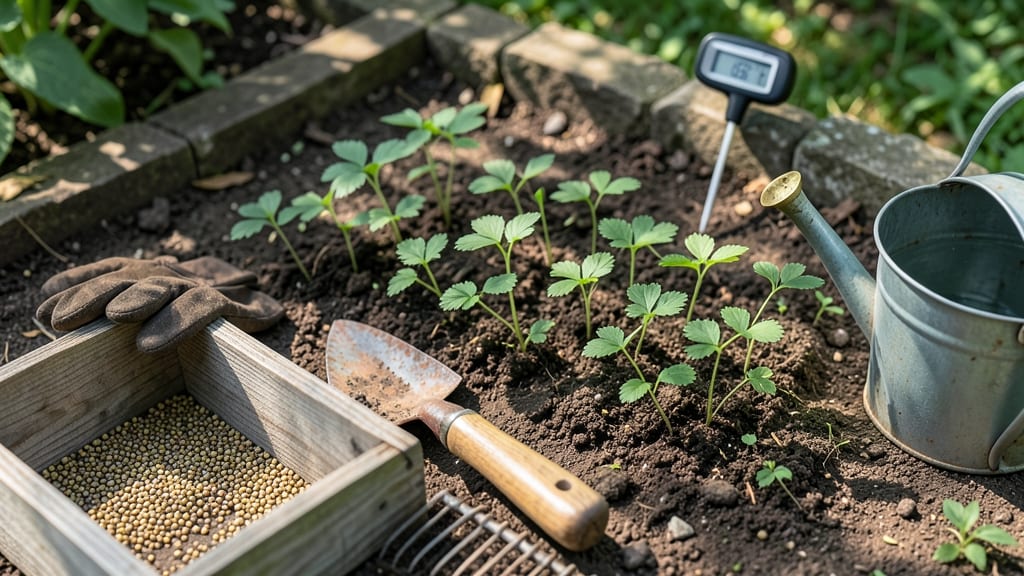
Timing your alfalfa planting just right can mean the difference between a thriving crop and wasted seeds—especially when spring’s unpredictable soil temperatures throw off even the most experienced gardeners.
In USDA Zone 6, where I live, the ideal window for planting alfalfa opens 4–6 weeks before the last frost, typically in early spring when soil temperatures hit 50°F.
But getting it wrong—planting too early or too late—can leave your seeds struggling or inviting weeds to take over.
I’ve learned that success starts with understanding your local climate and soil conditions. Whether you’re a first-time gardener or a seasoned pro, this guide will help you pinpoint the exact week to plant for the best germination rates and a healthy harvest.
Let’s break down the key factors—soil warmth, frost dates, and more—to ensure your alfalfa 🌱 gets off to the strongest start possible.
Optimal soil temperatures for planting alfalfa in spring (week-by-week guide)
Alfalfa thrives when planted in soil temperatures between 45°F and 55°F, but getting the timing right depends on your USDA hardiness zone and local climate patterns.
In Zone 6a, where average last frost occurs around April 15, I recommend planting alfalfa seeds 4-6 weeks before that date—typically in mid-to-late March.
For regions with earlier springs (Zones 7-10), you can push planting to late February, while cooler zones (3-5) may need to wait until early April. The key is ensuring soil stays consistently above 50°F to avoid germination delays or rot.
Here’s how I determine the perfect week for planting in my Zone 6a garden: I use a soil thermometer to check temperatures at 6 AM and 6 PM for 3 consecutive days. If the average hovers around 50°F, it’s time to plant.
🌱 Pro Tip: If your soil is still cold, consider using a black plastic mulch to warm it faster—this can shave off 1-2 weeks of waiting time.
🌱 Alfalfa Planting Timeline by USDA Zone
| Zone | Ideal Planting Window | Soil Temp Threshold | Key Consideration |
|---|---|---|---|
| 3-5 | Early April | 50-55°F | Wait for frost risk to pass |
| 6-8 | Mid-to-late March | 45-50°F | Use mulch for cooler soils |
| 9-10 | Late February | 50-55°F | Watch for early weeds |
⏰ Note: Adjust for microclimates (e.g., south-facing slopes warm faster).
In my experience, planting alfalfa too early—when soil temps dip below 45°F—leads to slow germination or seeds rotting in cold, wet soil.
I once planted in early March in Zone 6a, and only 30% of seeds sprouted compared to the 90% success rate when I waited until mid-March.
For precision planting, I recommend checking your local USDA Plant Hardiness Zone Map and cross-referencing with a 10-year climate average for your area. Websites like Almanac.com provide free frost date calculators tailored to your ZIP code.
Another trick I use is the "fist rule": Press your fist into the soil. If it feels cool but not icy and crumbles easily, it’s likely in the ideal 50°F range. If it’s rock-hard or mushy, wait a few more days.
Once soil temps hit 55°F or warmer, alfalfa seeds can germinate in as few as 7-10 days, but I’ve seen faster results (5-7 days) when using pre-soaked seeds. Soaking seeds overnight in lukewarm water softens the tough seed coat for quicker sprouting.
🌿 Remember: Alfalfa is a perennial, so getting the first planting right sets the stage for 3-5 years of growth. Don’t rush—patience here pays off with nitrogen-rich soil for future crops.
5 Critical factors that determine your exact alfalfa planting window
Planting alfalfa at the wrong time can lead to poor germination or even total failure. While soil temperature is the most critical factor, other elements like frost dates, moisture levels, and seed variety also play a role.
Let’s break down these five key factors to help you pinpoint the perfect planting window for your region.
First, last frost dates set the baseline. Alfalfa seeds won’t germinate well in cold soil, so aim to plant 4–6 weeks before your area’s average last frost. For example, in USDA Zone 6, this typically means late March to early April.
However, if you’re in a cooler zone (3–5), you may need to wait until early May to avoid frost damage.
Next, soil moisture must be consistent. Alfalfa seeds need 1–1.5 inches of water per week during germination. If your soil is too dry, seeds won’t sprout, while overly soggy conditions can cause rot.
Test your soil’s moisture by squeezing a handful—it should hold together but not be sticky. If it’s dry, water deeply 24 hours before planting to give seeds the best start.
🌱 Key Factors for Alfalfa Planting Success
- Soil Temperature: Wait until soil reaches 50°F (10°C) at 2 inches deep.
- Last Frost Date: Plant 4–6 weeks before the average last frost in your zone.
- Moisture Levels: Soil should be consistently moist but not waterlogged.
- Seed Variety: Choose early-maturing varieties for cooler climates (e.g., 'Ladak' or 'Moapa').
- Microclimate: Coastal areas may plant 2–3 weeks earlier than inland zones.
Don’t overlook seed variety hardiness. Some alfalfa varieties, like 'Moapa,' are bred for cooler climates and can germinate at slightly lower temperatures (45°F). Others, like 'Ladak,' thrive in warmer zones (7–10) and may struggle if planted too early.
Always check the seed packet for zone recommendations to match your climate.
Finally, regional microclimates can shift your planting window by weeks. Coastal areas with milder temperatures (e.g., Pacific Northwest) may plant as early as February, while inland deserts (e.g., Arizona) might wait until April or May.
Observe your local conditions—if your garden sits in a sunny, sheltered spot, it may warm up faster than the general forecast.
By balancing these five factors, you’ll avoid the most common mistakes and give your alfalfa the best chance to establish strong roots and thrive. Once planted, keep an eye on soil moisture and weed competition to ensure your crop gets off to a great start! 🌱