
Plants
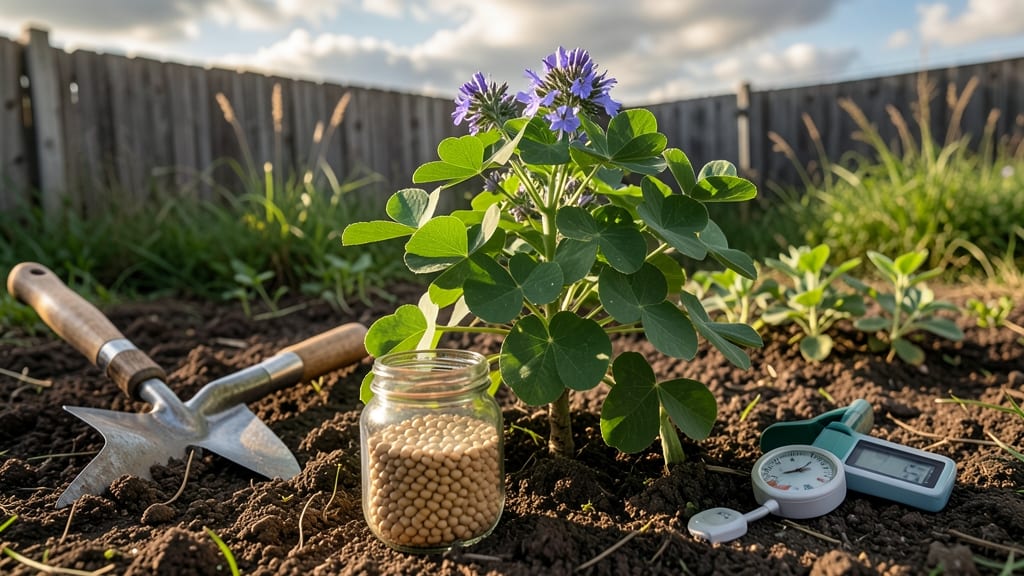
Best planting months for alfalfa in Missouri (by region)
Missouri’s climate varies dramatically from north to south, so your alfalfa planting window depends on your USDA hardiness zone. Northern Missouri (zones 5b-6a) faces later springs and earlier frosts, while Southern Missouri (zones 6b-7a) enjoys longer growing seasons.
I’ll break down the exact months for each region to maximize your alfalfa yield.
For Northern Missouri, aim to plant between mid-April and early May after soil temperatures consistently reach 50°F. This avoids the late spring frosts that often hit before May 15.
Southern Missouri gardeners have more flexibility, with March 15 to April 30 as the ideal window, thanks to milder winters and later frosts.
Don’t overlook late summer planting (August-September) as a backup strategy. This second window works well if spring planting fails due to unseasonable rains or soil compaction.
Just ensure seeds are in the ground 6-8 weeks before your first frost—typically by September 15 in Northern Missouri and October 1 in the south.
| Region | USDA Zone | Primary Planting Window | Backup Window | Soil Temp Threshold |
|---|---|---|---|---|
| Northern MO | 5b-6a | Mid-April to early May | August 15-Sept 15 | 50°F+ (consistent) |
| Central MO | 6a-6b | Late March to May 1 | August 1-Sept 30 | 48°F+ (consistent) |
| Southern MO | 6b-7a | March 15-April 30 | August 1-Oct 1 | 45°F+ (consistent) |
Check your local frost dates using the Missouri Climate Center’s tools—they publish average last frost dates updated annually. For example, Kansas City (Zone 6a) sees its last frost around April 15, while St. Louis (Zone 6b) typically warms up by April 1.
Planting too early risks seed rot from cold, wet soil, while waiting too long may lead to drought stress before roots establish.
Pro tip: Use a soil thermometer to confirm readiness. Alfalfa seeds need consistent 50°F+ soil temps for 3-5 days before planting. If temps dip below 45°F, germination slows dramatically, and seedlings become vulnerable to fungal diseases.
I’ve seen 50% seed loss in cold, damp springs when gardeners rushed planting.
For large-scale farmers, consider no-till drilling in late summer to establish alfalfa before winter. The Missouri Department of Agriculture recommends this method for Northern Missouri to avoid spring planting delays caused by soil compaction from heavy equipment.
Even home gardeners can mimic this by planting in well-drained raised beds to prevent waterlogging.
Missouri’s unpredictable rainfall is another factor. If your area gets 10+ inches of rain in March, delay planting until soil dries enough to work without clumping. Overly wet conditions lead to poor seed-to-soil contact, reducing germination rates by up to 30%.
Always plant when the top 2 inches of soil are crumbly and dry to the touch.
Remember: Alfalfa is a perennial, meaning it returns year after year if established correctly. Your first-year yield sets the stage for future harvests, so don’t rush the process. I’ve had clients in Boone County achieve 3x higher yields in subsequent years simply by planting at the optimal window.
How soil temperature and weather affect alfalfa germination success
Alfalfa seeds need consistent soil temperatures between 45–75°F to germinate properly. In Missouri, this means waiting until the soil warms to at least 50°F—a critical threshold often missed if planting too early.
Cold, wet soils can cause seed rot or slow germination, while soil too hot can dry out seeds before they sprout.
Use a soil thermometer to check depth (1–2 inches). In Missouri’s USDA zones 5b–6b, this typically aligns with mid-April for spring plantings. If you plant in late summer (August–September), aim for soil temps below 80°F to avoid heat stress on young seedlings.
⚠️ WARNING: Planting alfalfa in March or early April risks frost damage. Even a light freeze (28°F) can kill emerging seedlings. Check the Missouri Climate Center’s frost forecasts for your region before sowing.
🌱 Critical Germination Risks in Missouri
- Too Early: Seed rot from cold, wet soil (below 45°F)
- Too Late: Drought stress from hot, dry soil (above 80°F)
- Frost Risk: Seedlings die at 28°F or lower
Solution: Test soil moisture and temperature for 3 consecutive days before planting.
Alfalfa thrives with 6+ hours of sunlight daily, but overcast skies in spring can delay germination. If planting in cloudy conditions, use a row cover to retain warmth and moisture until seedlings emerge. In Missouri’s Central region, this is especially important due to variable spring weather.
After germination, maintain consistent soil moisture—neither soggy nor bone-dry. Use a moisture meter to monitor levels at 2-inch depth. In drought-prone areas like Southwest Missouri, mulch with straw to retain moisture and regulate soil temperature.
For fall plantings, aim for late August to early September when soil temps drop below 75°F. This gives seedlings time to establish roots before winter dormancy. Avoid planting after mid-September, as new growth may not harden off before the first frost.