
Plants
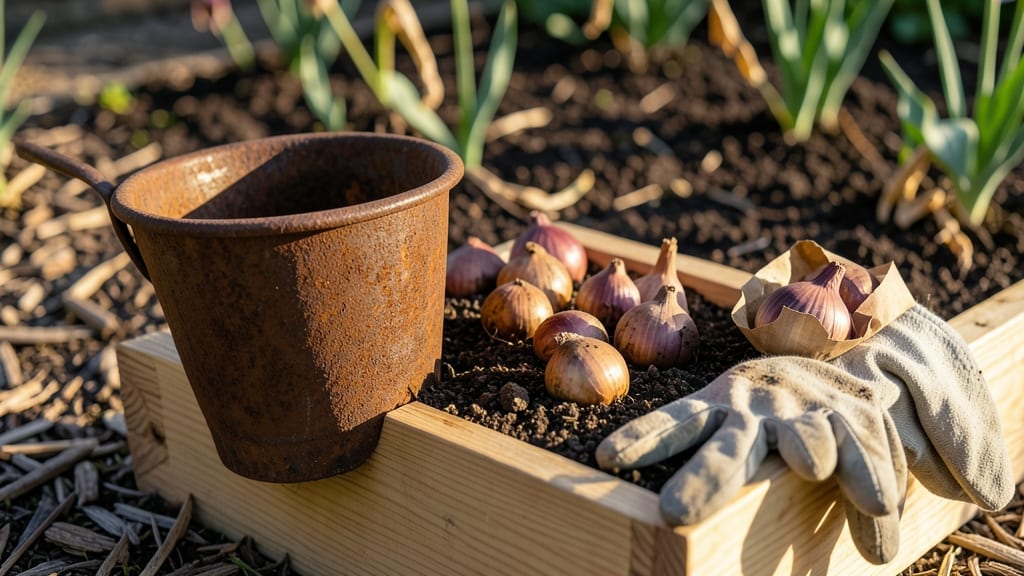
Planting tulips in New York at the wrong time can mean the difference between a showstopping spring display and a sad, frost-killed disappointment. With the right timing—typically between October and November—you’ll give those 🌷 bulbs the perfect head start for vibrant blooms next year.
New York’s USDA Zone 6a climate means frost can sneak in early, so knowing when to plant is everything. Too soon, and your tulips might sprout before winter sets in; too late, and they won’t establish roots before the ground freezes.
The key is planting 4–6 weeks before the first frost, usually in late fall, to ensure strong root growth without premature shoots.
I’ve learned that even a 2-week delay can make a difference in bulb survival, especially in colder Upstate regions.
Whether you’re in NYC or the Hudson Valley, this guide will help you pinpoint the exact window for planting tulips so your garden wakes up to a burst of color in April.
Ready to avoid common mistakes? I’ll walk you through the best months, soil prep tips, and even how to adjust for late planting—so you can enjoy those cheerful tulips year after year without the guesswork.
Best months to plant tulips in New York for frost-free success
Timing is everything when planting tulip bulbs in New York. The ideal planting window spans from mid-October to early November, aligning with the USDA zones 5–7 that cover most of the state.
This ensures bulbs establish roots before the ground freezes, typically around October 20 in NYC and slightly earlier in Upstate regions.
For Upstate New York (zones 5–6), aim to plant by October 15 to avoid early frosts. In NYC and Long Island (zone 7), you have a slightly extended window until November 1.
Missing this window risks bulbs rotting if planted too late or sprouting too early if planted too soon.
New York’s last frost dates vary significantly—April 15 in NYC but as early as April 1 in Upstate areas. This means tulips planted too late in fall may not have enough time to root before winter dormancy begins.
Here’s a quick reference for New York’s tulip planting zones:
| Zone | Ideal Planting Window | Last-Frost Date | Notes |
|---|---|---|---|
| 5 (Upstate) | October 1–15 | April 1 | Plant early to avoid early frosts |
| 6a (Mid-State) | October 10–25 | April 10 | Flexible window for cooler microclimates |
| 7 (NYC/Long Island) | October 15–November 1 | April 15 | Later planting possible due to milder winters |
Soil temperature is a critical factor. Tulip bulbs need the ground to be below 60°F but not yet frozen. Use a soil thermometer to check—ideal temps are between 50–60°F. In Upstate, this usually happens by mid-October, while NYC gardeners can wait until late October.
For container planting, the window is slightly shorter—aim for October 1–15 statewide. Containers freeze faster, so bulbs must establish roots quickly. Use a well-draining potting mix with added perlite to prevent rot in cold winters.
Pro tip: Mark your planting calendar with the average first frost date for your area. Count backward 4–6 weeks to determine your ideal planting date. This ensures bulbs have enough time to root before winter dormancy.
If you miss the ideal window, don’t panic! December planting is still possible in NYC, but only if the ground isn’t frozen. Use mulch or straw to insulate bulbs and protect them from temperature swings.
Remember, tulip bulbs need 6–8 weeks of cold exposure to bloom properly. Planting too late in fall or too early in spring disrupts this process, leading to weak or no flowers the following year.
Best months to plant tulips in New York for frost-free success
New York’s USDA zones 5–7 create a tight window for planting tulips, but timing is everything. The ideal planting window is from mid-October to early November, when soil temperatures drop below 60°F (15°C) but before the ground freezes.
This ensures bulbs establish roots while avoiding winter heaving from freeze-thaw cycles. Upstate regions (like Buffalo) can plant slightly later, while NYC may need to start earlier due to urban heat islands.
For most of New York, aim to plant 4–6 weeks before the first hard frost, which typically hits around October 20 in the southern part of the state and mid-October in the north.
Using a soil thermometer helps—tulip bulbs need soil temps between 40–50°F (4–10°C) to root properly. Miss this window, and your bulbs may rot or fail to bloom next spring.
| Region | Ideal Planting Month | Soil Temp Goal | Last Chance |
| NYC & Long Island | Late October | 45–50°F (7–10°C) | Early November |
| Hudson Valley | Mid-October | 40–45°F (4–7°C) | Late October |
| Upstate (Albany, Syracuse) | Early October | 50–55°F (10–13°C) | Mid-October |
| Western NY (Buffalo, Rochester) | Late September | 55–60°F (13–15°C) | Early November |
If you’re in USDA Zone 6a (most of New York), prioritize planting by October 31. Bulbs planted after November 15 risk poor root development before winter, leading to weak or no blooms.
For container planting, the window narrows further—plant by October 15 to prevent pots from freezing solid. Use black plastic mulch to extend the season by a week or two in colder zones.
Pro tip: Check the National Weather Service’s frost prediction maps for your area. In New York, the average first frost varies by 10–14 days across regions, so local data beats general rules.
For example, Syracuse often sees frost by October 10, while New Haven, CT (near NYC), may wait until November 5. Adjust accordingly!
Once planted, mulch with 2–3 inches of straw to insulate bulbs and prevent temperature swings. This is especially critical in Zone 6a, where winters can fluctuate wildly. Avoid heavy mulch, though—too much can suffocate bulbs or attract pests. Aim for a light, breathable layer that protects without smothering.
Remember: Tulips are perennial in New York, but they need consistent fall planting to rebloom yearly. Skipping the ideal window once won’t kill your bulbs, but it may delay or reduce flowering. With the right timing, you’ll enjoy bold spring blooms for years to come—no guessing required! 🌷