
Planting
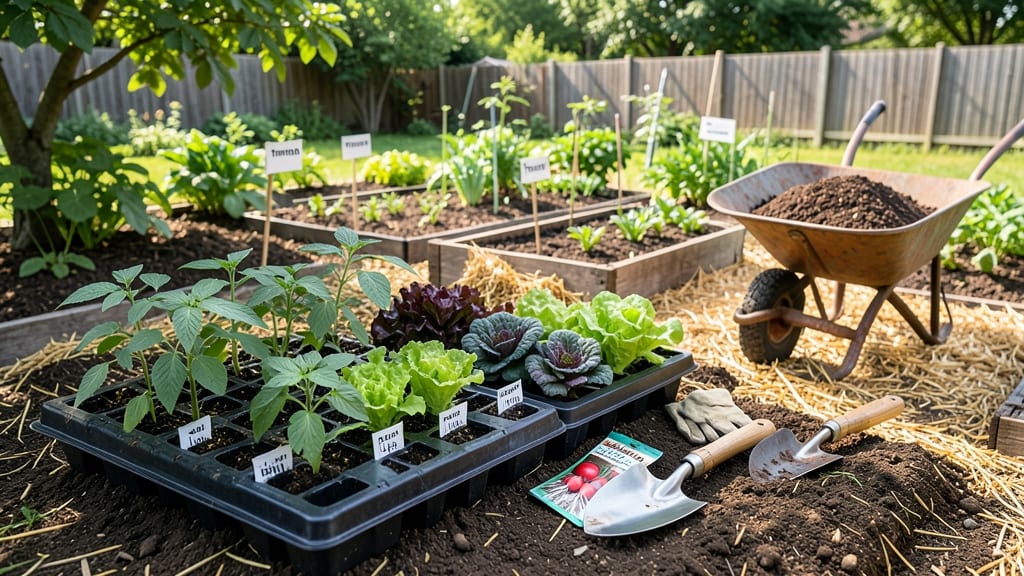
NC last-frost dates by Zone: when to plant cool-season vegetables
North Carolina spans USDA Zones 5b to 8a, meaning frost dates vary dramatically from the mountains (Zone 5b) to the coast (Zone 8a). Cool-season crops like spinach, broccoli, and peas thrive when planted 4-6 weeks before your last frost date.
Warm-season crops—think tomatoes, peppers, and squash—need to wait until 2 weeks after frost risk passes to avoid chilly soil shocking their roots.
Use these last-frost averages as your planting guide, but always check NC State Extension’s frost calendar for real-time updates. Mountain regions (e.g., Asheville, Boone) often see frost until mid-April, while coastal areas (e.g., Wilmington, Morehead City) may have frost-free soil by mid-March.
Even a light frost (28°F) can damage tender seedlings, so plan accordingly.
Here’s your zone-by-zone breakdown of last-frost dates and ideal planting windows for cool-season crops:
| Zone | Last Frost (Avg.) | Cool-Season Planting Window | Warm-Season Planting Window | Example Cities |
|---|---|---|---|---|
| 5b (Mountains) | April 15–May 1 | March 1–March 15 | May 15–June 1 | Asheville, Boone |
| 6a (Piedmont) | April 1–April 15 | February 15–March 1 | April 15–May 1 | Raleigh, Greensboro |
| 7a (Central) | March 15–March 31 | January 15–February 1 | March 20–April 1 | Charlotte, Fayetteville |
| 7b (Coastal Plain) | March 1–March 15 | January 1–January 15 | February 20–March 1 | Goldsboro, Kinston |
| 8a (Coast) | February 15–March 1 | December 15–January 1 | February 1–February 15 | Wilmington, Morehead City |
🌱 Pro Tip: Use row covers to extend cool-season planting by 2-3 weeks in colder zones.
For cool-season crops, aim to harvest before summer heat sets in (late May–June). If you’re growing leafy greens like lettuce or kale, consider fall planting for a second harvest. In Zone 8a, you can even plant spinach or radishes in December for early spring harvests.
Warm-season crops like tomatoes and peppers need soil temperatures above 60°F to germinate. Use a soil thermometer to confirm—if it’s below 55°F, wait a few more weeks.
In Zone 5b, this might mean planting tomatoes in early June, while Zone 8a gardeners can start as early as mid-February.
Don’t forget about microclimates—a south-facing slope warms up faster than a north-facing valley. If you’re unsure, start with transplants instead of seeds for warm-season crops to avoid the 3-4 week germination wait in cooler zones. For example, peppers take 75–90 days to mature
Heat-tolerant vegetables that thrive in NC’s summer heat
North Carolina’s summer heat—especially in zones 6-8—can turn a garden into a sauna for tender crops. But don’t let the 90°F+ temperatures scare you off! Many vegetables not only survive but thrive in the heat, producing bountiful harvests when cooler-season crops wilt.
These heat-tolerant varieties are perfect for extending your growing season and keeping your kitchen stocked.
If you’ve ever struggled with bolting lettuce or wilting tomatoes, these resilient plants will change the game. From okra’s drought resistance to sweet potatoes’ love of humidity, these crops are built to handle NC’s scorching summers.
Plus, they often produce better flavors when grown in warm conditions. Let’s dive into the top 8 heat-loving vegetables and how to grow them successfully.
🌱 Heat-Tolerant Vegetable Guide
These four powerhouses are just the beginning! For a complete heat-tolerant lineup, add yam beans, eggplant, peppers, and southern peas to your summer garden.
The key to success? Water deeply in the morning to reduce evaporation, use mulch to retain moisture, and choose fast-maturing varieties to beat the first frost.
Don’t let NC’s summer heat discourage you—these tropical-friendly crops will reward you with bold flavors and abundant yields. Try one (or all!) this season and enjoy a garden that punches back against the heat! 🌞