Plants
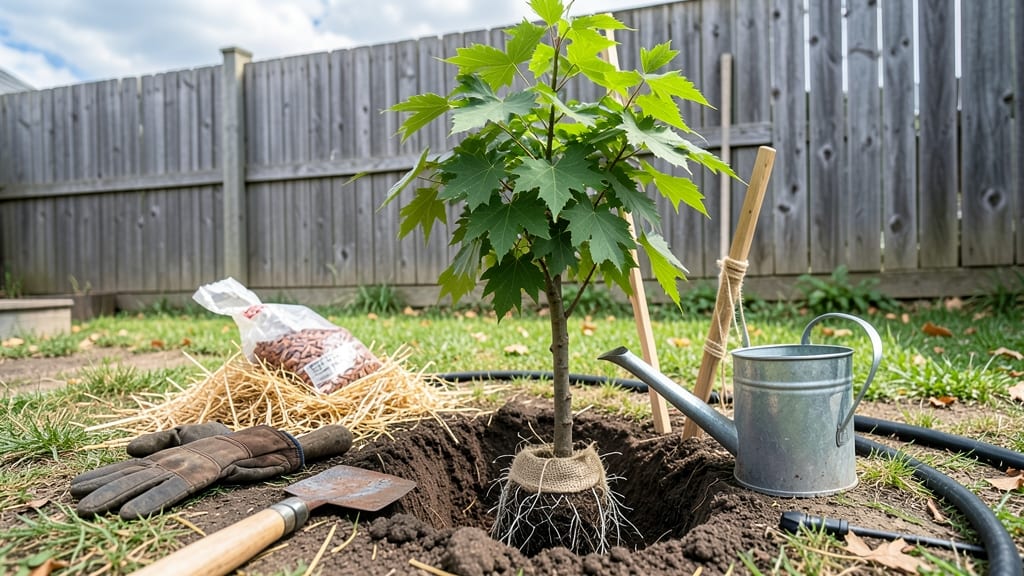
Best tree planting times by USDA climate zones: spring vs fall breakdown
Timing your tree planting is everything—plant too early, and your sapling might face frost damage or waterlogged soil. Plant too late, and it struggles to establish roots before winter. The best window depends on your USDA hardiness zone and whether you're planting in spring or fall.
Most experts agree that early spring or fall are ideal for most regions, but let’s break it down by zone.
In zones 3-5 (cold climates like Minnesota or upstate New York), spring planting is your safest bet—typically April to early May—when soil temperatures hit 50°F (10°C). Fall planting works too, but aim for September to early October to give roots time to harden before frost.
Meanwhile, zones 6-8 (like Texas or Virginia) can plant in late winter to early spring (February-March) or fall (October-November), avoiding summer heatwaves.
For zones 9-11 (warm climates like Florida or Southern California), timing shifts dramatically. Plant in winter (December-February) to avoid summer’s brutal heat, or in early fall (September-October) for a cooler transition. Coastal areas like the Pacific Northwest can plant year-round, but spring or fall still offer the best conditions.
🌱 Pro Tip: Always check your local last frost date and first frost date—these are your planting bookends. For example, in zone 7, planting in March-April or September-October aligns perfectly with frost-free windows.
One common misconception is that you can plant trees anytime—not true!
For example, bare-root trees (like oaks or maples) must go in the ground before bud break in spring or after leaf drop in fall. Container-grown trees, however, offer more flexibility and can be planted year-round (as long as soil isn’t frozen or waterlogged).
Another key factor is rainfall timing. In dry climates (e.g., Arizona or Nevada), planting in fall ensures winter rains help roots establish. In humid regions (like the Southeast), spring planting avoids fungal diseases that thrive in summer moisture.
Always check your local weather forecasts for drought warnings or heavy rain periods.
If you’re unsure about your zone, use the USDA Plant Hardiness Zone Map to find your exact location. Then, align your planting with the 6-8 week window before the first frost in fall or after the last frost in spring.
For example, in zone 7, planting in late September gives roots 6-8 weeks to settle before winter.
Finally, consider your tree species. Fast-growing trees like willows or poplars can handle a wider planting window, while slow growers like oaks need perfect timing. Always research your specific tree’s needs—some, like fruit trees, benefit from dormant planting in late winter.
Ready to plant? Grab your shovel, check your zone, and pick your window—your tree’s future starts with the right timing! 🌳
Best tree planting times by USDA climate zones: spring vs fall breakdown
Choosing the right time to plant a tree depends on your USDA hardiness zone and local climate patterns. In colder zones (3–6), early spring planting gives roots time to establish before summer heat, while fall planting works best in warmer zones (7–11).
Let’s break down the ideal windows by region to ensure your tree gets the best possible start.
For zones 3–5, aim to plant between late April and early June—after the last frost but before summer drought stress sets in. In zones 6–8, both spring (March–April) and fall (September–October) are ideal, as temperatures are mild and rainfall is consistent.
Southern zones (9–11) thrive with fall planting (August–November) to avoid summer’s intense heat.
🌱 USDA Zone Planting Guide
| Zone | Best Planting Time | Soil Temp Threshold | Key Consideration |
|---|---|---|---|
| 3–5 | Late April–Early June | 45–55°F (7–13°C) | Avoid late frost; prioritize root growth before summer drought. |
| 6–8 | March–April or September–October | 50–60°F (10–16°C) | Balanced rainfall; container-grown trees can plant year-round if soil isn’t frozen. |
| 9–11 | August–November | 60–70°F (16–21°C) | Escape summer heat; water deeply to prevent transplant shock. |
💡 Pro Tip: Check your local frost dates and rainfall forecasts—these often override general zone guidelines.
Regional exceptions matter too. In the Pacific Northwest, for example, mild winters allow fall planting into December, while the Deep South may see better success with early spring planting to avoid hurricane season. Always check your local extension service for hyper-local advice.
Soil temperature is your best guide: aim for 50–60°F (10–16°C) at a 6-inch depth. Use a soil thermometer to test—cool soil in spring or fall signals it’s time to plant. Bare-root trees need moist but not soggy soil, while container-grown trees adapt better to slight temperature fluctuations.
Don’t overlook moisture levels—planting during drought or heavy rainfall increases stress. In arid climates, prioritize fall planting to leverage winter rains, while humid regions may see better results in early spring to avoid fungal diseases. Adjust your timing based on your local microclimate, not just the zone.
Timing isn’t just about the calendar—it’s about giving your tree the perfect start. Whether you’re in Zone 3 or Zone 11, aligning planting with soil warmth, moisture, and seasonal patterns ensures your tree grows strong for decades. 🌳