
Trees
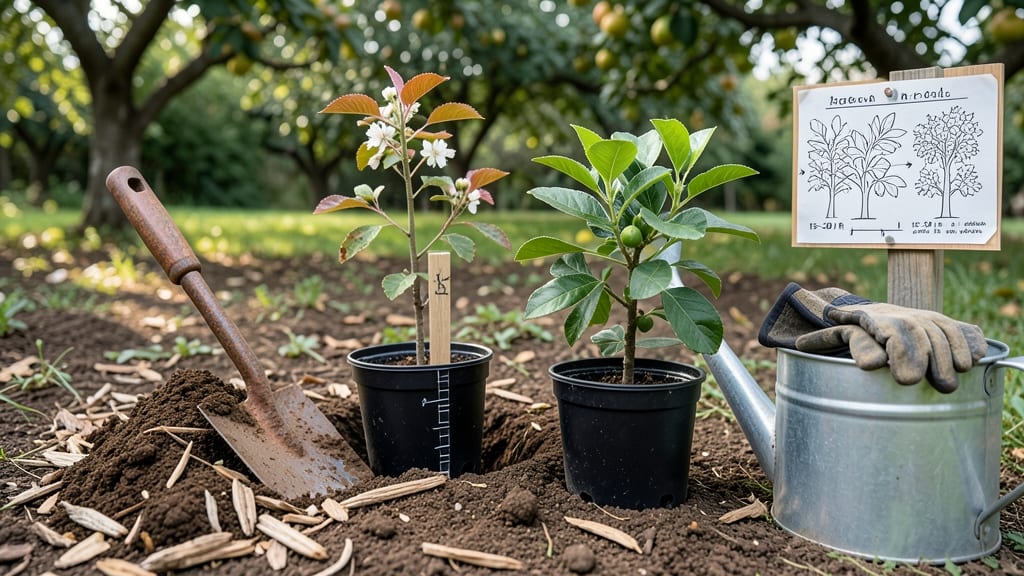
Best planting months for SC fruit trees by chill-hour requirements
South Carolina’s USDA Zones 7b-8b create a unique challenge for fruit tree planting—balancing chill-hour needs with unpredictable frost patterns. Most peaches, apples, and cherries require 400-800 chill hours, while low-chill varieties like figs and persimmons thrive with 200-300 hours.
Planting at the wrong time risks frost damage or failed fruit set.
Your last frost date (typically mid-March) and chill-hour accumulation determine the ideal window. High-chill trees need late winter planting (February-March), while low-chill types can handle early spring or even fall in warmer microclimates like Charleston.
🌱 Key Rule: Plant bare-root trees when dormant (before buds swell) to maximize root establishment. Container-grown trees offer more flexibility but still benefit from cool-season planting.
| Tree Type | Chill Hours | Best Planting Month | SC-Specific Notes |
|---|---|---|---|
| Peaches/Plums | 500-800 | February-March | Plant after last frost (Zone 7b) or use row covers. |
| Apples | 600-900 | Late February | Choose low-chill varieties like 'Akane' (500 hours). |
| Figs | 200-300 | March-April | Tolerates fall planting in Zone 8a. |
| Persimmons | 150-250 | February-May | Best in sheltered microclimates (e.g., near buildings). |
| Citrus (Oranges) | 0-100 | March-April | Plant in containers for winter protection. |
For high-chill trees, aim to plant 6-8 weeks before bud break—typically late February in Zone 7b and early March in Zone 8a. Use a chill-hour calculator (like the one from Clemson Extension) to verify your local accumulation.
In coastal SC (Zone 8a), you can extend planting to April for low-chill types, but avoid summer heat (June-August), which stresses newly planted trees. Always water deeply after planting to encourage root growth.
Pro Tip: Test your soil’s pH (ideal: 6.0-6.5) before planting. Amend with compost or sulfur if needed—SC’s sandy soils often require organic matter to retain moisture.
🌿 Mulch Tip: Apply 3-4 inches of mulch (pine straw or wood chips) to conserve moisture and regulate soil temperature.
Remember: Container-grown trees can be planted year-round (except extreme heat/cold), but bare-root trees must go in during dormancy. If you miss the February-March window, wait until fall (October-November) for low-chill varieties.
🍎 SC-Specific Hack: Plant dwarf varieties near south-facing walls to capture extra warmth and extend the growing season.
SC-specific frost dates & how they affect fruit tree survival
South Carolina’s USDA Zones 7b-8a create a delicate balance for fruit tree planting—timing is everything to avoid late frosts that can kill young trees. The average last frost date ranges from mid-February in Charleston to early April in the Upstate, while the first frost typically hits mid-November.
Planting too early risks exposing tender roots to cold snaps, while waiting too long delays root establishment before summer heat arrives.
For bare-root trees, your window is narrow: plant between mid-February and early March in most of SC. This gives roots time to establish before buds swell. Container-grown trees, however, offer more flexibility—they can handle spring planting until May as long as soil stays moist.
The key is avoiding extreme heat stress during summer months, which can stunt growth.
Here’s the critical rule: Never plant when soil temps are below 40°F—use a soil thermometer to check. In Zone 8a (e.g., Columbia), you might push planting to late March, while Zone 7b (e.g., Greenville) demands an earlier February start.
Always check your local Cooperative Extension Service for microclimate adjustments—mountains and coastal areas can vary by 2-3 weeks.
⚠️ Critical Frost Warning
Planting peach or apple trees in February? Monitor forecasts for 32°F nights—even established trees can suffer flower freeze damage. Use frost cloth or row covers for young trees until roots are 6+ inches deep.
Container-grown trees adapt better to late spring planting (April-May) because their roots aren’t exposed. However, bare-root trees planted after March 15 risk heat stress before roots establish. A pro tip: Mulch heavily (3-4 inches of wood chips) to insulate roots and retain moisture during SC’s hot, dry summers.
This mimics natural forest conditions and reduces transplant shock.
If you’re in a coastal area, prioritize low-chill varieties like figs or loquats—they tolerate Zone 8a’s mild winters better. Upstate gardeners should focus on high-chill peaches (500+ hours) planted in February.
Always match your tree’s chill-hour needs to your local frost-free period—this is the #1 reason fruit trees fail in SC.
Protect young trees with tree wraps in winter to prevent sunscald (a common issue in SC’s warm winters). And remember: Dwarf varieties recover faster from frost damage than standard trees, making them ideal for Zone 7b’s shorter growing season.
With the right timing, your fruit tree can thrive despite SC’s unpredictable climate.