
Planting
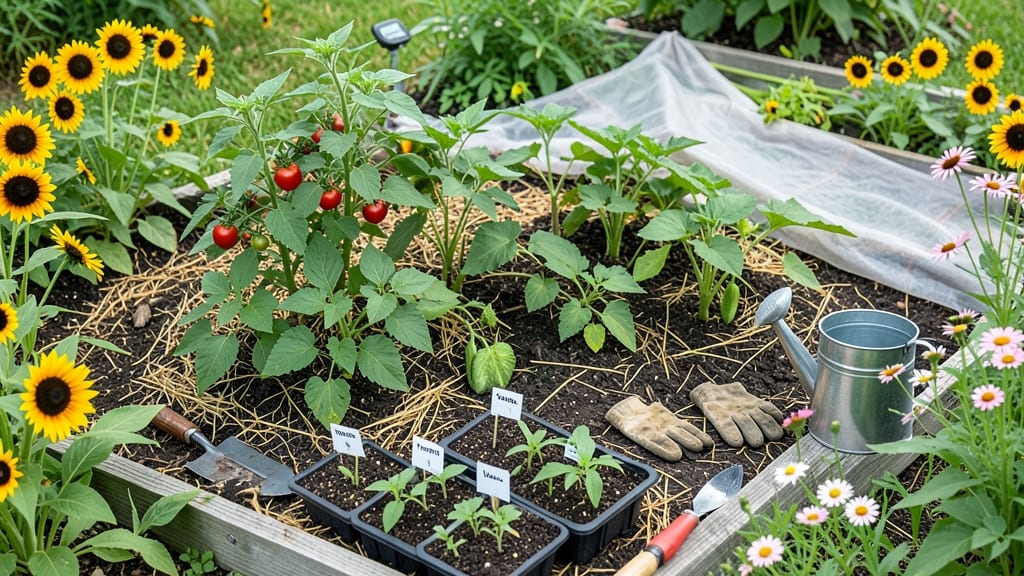
Knowing when to plant a garden in Arkansas can mean the difference between a bountiful harvest and wasted effort. The state’s warm summers and mild winters create a unique growing window, but timing is everything—especially when frost can strike unexpectedly.
Whether you’re growing heat-loving tomatoes or cool-season greens, getting the schedule right ensures your 🌱 thrives from seed to table.
The key lies in Arkansas’s USDA zones 7a-8a, where last frost dates typically land around mid-March and first frost arrives in mid-November. That gives you a 190-220-day frost-free window—plenty of time for two full growing seasons if you plan smart.
But rushing warm-season crops like peppers or squash before the soil warms to 60°F can stall growth, leaving you frustrated.
This guide breaks down the exact planting windows for Arkansas, from early spring’s delicate seedlings to fall’s hardy greens. You’ll learn which crops to start indoors, when to direct-sow, and how to stretch your harvest with succession planting. No more guessing—just proven strategies for a garden that delivers.
Ready to turn your Arkansas backyard into a productive oasis? Let’s dive into the month-by-month schedule that’ll have your plants flourishing—and your table overflowing—all season long.
Arkansas frost dates by zone: exact countdowns for planting warm-season crops
Arkansas spans USDA zones 6b through 8a, meaning frost dates vary dramatically from the Delta region to the Ozark Mountains. In northern Arkansas (zone 6b), the average last frost date is around March 20, while southern Arkansas (zone 8a) often sees frost-free conditions by February 20.
These differences mean your planting timeline should shift based on your exact location.
For warm-season crops like tomatoes, peppers, and squash, you’ll need to wait until soil temperatures consistently reach 60°F or higher. In most of Arkansas, this typically happens 2-4 weeks after the last frost date, so plan accordingly.
Using a soil thermometer is the best way to confirm readiness—don’t rely solely on calendar dates.
Here’s a breakdown of key frost dates and frost-free periods by region to help you time your plantings perfectly:
| USDA Zone | Last Frost Date | First Frost Date | Frost-Free Days | Plant Warm Crops After |
|---|---|---|---|---|
| 6b (North) | March 20 | November 10 | 190-200 days | April 10 |
| 7a (Central) | March 10 | November 5 | 200-210 days | March 31 |
| 8a (South) | February 20 | October 31 | 220+ days | March 15 |
To adjust for microclimates in Arkansas, consider factors like elevation, proximity to water, and urban heat islands. For example, areas near Lake Ouachita or Mount Ida may experience later frosts due to cooler nighttime temperatures, while Little Rock’s urban heat can push planting dates earlier by 1-2 weeks.
For cool-season crops like lettuce, spinach, and broccoli, plant them 4-6 weeks before your last frost date. In northern Arkansas, that means starting seeds indoors by February 15, while southern gardeners can sow directly in the garden by February 1.
Always check your local Almanac or Cooperative Extension Service for updates, as frost dates can shift yearly.
Pro tip: Use row covers or cold frames to extend your growing season by 2-4 weeks in early spring or late fall. This is especially useful for heat-sensitive crops like basil or cucumbers, which can bolt in Arkansas’s intense summer heat if planted too early.
If you’re unsure about your exact frost dates, sign up for local weather alerts or use a frost-free calculator like the one from the Arkansas Agricultural Experiment Station. These tools provide real-time adjustments based on current conditions, ensuring your garden thrives year after year.
Remember, Arkansas’s long, hot summers (up to 90°F+) are perfect for growing heat-loving crops like okra, sweet potatoes, and black-eyed peas. But timing is critical—plant too early, and your seedlings will wilt; too late, and you’ll miss the harvest window.
Use this frost-date guide as your starting point, then fine-tune based on your garden’s unique conditions.
Best heat-resistant vegetables for Arkansas summers and how to extend their season
Arkansas summers can be brutal for gardeners, with temperatures often soaring past 90°F. But don’t let the heat stop you—some crops thrive under these conditions! Okra, sweet potatoes, and black-eyed peas aren’t just survivors; they’re powerhouses that reward you with bountiful harvests.
The key? Choosing the right varieties and protecting them with smart techniques like mulching and shade cloth.
I’ve grown these heat-lovers in my own Arkansas garden, and I’ve learned which ones handle the humidity and sun best. Southern peas and collard greens are also fantastic choices—they not only tolerate heat but actually taste sweeter after a few hot days.
Pairing them with companion plants like basil or marigolds can further boost their resilience and flavor.
🌱 Top 8 Heat-Resistant Arkansas Crops
- Okra – Loves heat, drought-tolerant, and produces pods quickly.
- Sweet Potatoes – Thrives in Arkansas’ long summers; plant slips after last frost.
- Black-Eyed Peas – Drought-resistant and fixes nitrogen in the soil.
- Southern Peas – Heat-tolerant and improves soil health over time.
- Collard Greens – Gets sweeter in cooler fall temperatures but handles summer heat.
- Peppers (Hot & Sweet) – Plant after soil reaches 70°F for best results.
- Eggplant – Needs consistent moisture but handles Arkansas heat well.
- Tomatoes (Heat-Tolerant Varieties) – Choose Cherokee Purple or Solar Fire for Arkansas summers.
💡 Pro Tip:
Use straw mulch around plants to retain moisture and keep roots cool. A 50% shade cloth can also protect young plants from intense afternoon sun.
To extend your growing season, I swear by row covers and drip irrigation. Row covers create a microclimate that shields plants from extreme heat while still allowing sunlight. Drip irrigation delivers water directly to the roots, reducing evaporation and keeping plants hydrated without wetting the leaves—critical in Arkansas’ humidity.
I’ve seen tomatoes and peppers produce well into October with these simple tricks!
Don’t forget about succession planting for crops like okra and black-eyed peas. Instead of planting all at once, stagger your seeds every 2-3 weeks to ensure a continuous harvest. This works especially well for bush beans, which can be replanted up until mid-July in most of Arkansas.
It’s a game-changer for avoiding gluts and ensuring fresh produce all season long.
If you’re worried about pests like squash bugs or aphids, companion planting is your best friend. I always interplant basil with my tomatoes and marigolds with my peppers.
These pairings naturally repel pests while improving flavor. Plus, the marigolds add a pop of color that makes the garden look even more inviting.
Finally, pay attention to your soil temperature. Most heat-resistant crops need soil to be at least 60°F before planting. Use a soil thermometer to check—it’s a small investment that pays off with bigger, healthier plants.
And if your soil is still cool in early spring, consider using black plastic mulch to warm it up faster. It’s a hack I’ve used for years to get my sweet potatoes and peppers off to a strong start.