Plants
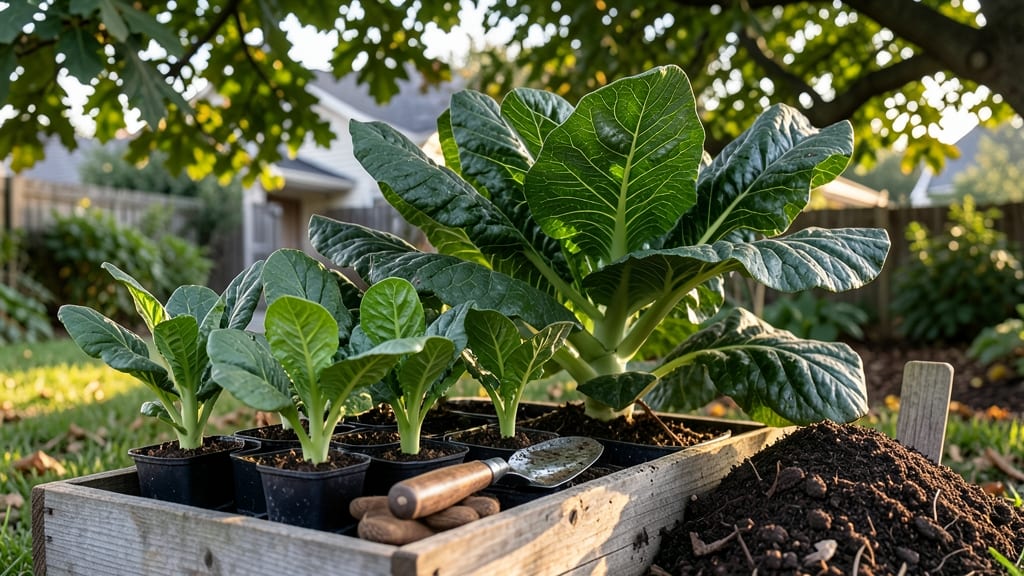
If you're wondering "when to plant collard greens in Georgia", timing is everything—especially when Georgia's climate ranges from frost-prone mountain valleys to balmy coastal plains.
Plant too early, and a late frost could wipe out your 🥬 harvest; too late, and you miss the sweet spot for tender, flavorful leaves.
Most gardeners in Georgia's 7a-8b zones know the secret to success lies in two key windows: early spring (February-March) and late summer (August-September). But here's the catch: your exact planting date depends on whether you're in the Piedmont's rolling hills or the Wiregrass region's warmer climate.
I'll break down the precise frost-free planting dates for your specific microclimate, plus pro tips for extending your harvest through Georgia's mild winters. No more guessing—just data-driven planting that guarantees a bumper crop of those nutrient-packed greens.
Ready to transform your garden into a year-round collard green factory? Let's get started with the exact calendar you need to make this your most productive growing season yet.
Georgia’s frost-free planting zones for collard greens: exact dates by region
Georgia’s climate varies dramatically from the chilly Blue Ridge Mountains to the balmy Coastal Plains, making collard green timing critical for success. Unlike one-size-fits-all advice, your local microclimate dictates the perfect planting window—whether you’re in Zone 7a or Zone 8b.
Miss these dates, and you risk frost damage or stunted growth, even in the same state.
Collard greens (Brassica oleracea) thrive in cool weather but bolt in heat, so timing is everything. In Georgia, the ideal planting windows are early spring (February-March) and late summer (August-September).
But these months shift 5-10 days depending on whether you’re in North GA’s frost pockets or South GA’s mild winters.
Here’s the breakdown by region—use these frost-free dates to align your planting with soil warmth and daylight length for maximum yield.
| Region | USDA Zone | Avg. Last Frost | Spring Planting Window | Fall Planting Window | Soil Temp. Threshold |
|---|---|---|---|---|---|
| North GA Mountains | 7a | March 15 | Feb 20 - Mar 10 | Aug 15 - Sep 10 | 50°F+ |
| Piedmont (Athens, Macon) | 7b-8a | March 1 | Feb 1 - Mar 15 | Aug 1 - Sep 15 | 55°F+ |
| Coastal Plains (Savannah, Brunswick) | 8a-8b | Feb 15 | Jan 20 - Feb 28 | Jul 20 - Sep 1 | 60°F+ |
| Wiregrass (Valdosta, Albany) | 8b | Jan 31 | Jan 1 - Feb 15 | Jul 10 - Aug 20 | 65°F+ |
| South GA (Tifton, Waycross) | 8b | Jan 20 | Dec 15 - Jan 31 | Jun 20 - Jul 31 | 70°F+ |
🌱 Pro Tip: Test soil temperature with a soil thermometer—collards need 50-70°F to germinate.
Notice how the Coastal Plains can plant as early as January, while North GA waits until February? That’s the power of microclimates. Even within Zone 8a, a 5-mile elevation change can shift frost dates by 2 weeks.
Use these windows to align with your local frost data (check NOAA’s climate maps for your county).
For spring planting, aim to sow seeds 4-6 weeks before your last frost date. This gives seedlings time to establish roots before cool nights slow growth. In Piedmont, that’s February 1; in South GA, it’s December 15.
The key is soil warmth—wait until daytime temps stay above 60°F for consistent germination.
Fall planting is trickier because daylight shortens and first frost approaches. Plant 6-8 weeks before frost to ensure mature leaves before October’s chill. In North GA, that’s August 15; in South GA, you can push it to July 20.
Use row covers to extend the season if needed—just remove them during the day to prevent overheating.
One critical mistake Georgia gardeners make? Ignoring soil temperature in favor of calendar dates. A 50°F soil in Wiregrass might be 40°F in Piedmont on the same day. Always check with a so
How to extend your collard green harvest: succession planting & fall/winter strategies
Georgia’s mild winters and long growing season let you enjoy collard greens almost year-round with the right timing. The key? Succession planting and smart fall/winter strategies to avoid gaps in your harvest. I’ll show you how to stretch your collard season from spring through winter—even in Georgia’s frostier zones.
Start with your first planting in early spring (February-March) for a May harvest, then use succession plantings every 2-3 weeks until August. This ensures a steady supply of fresh greens while the weather stays warm. For fall, your last planting should happen by mid-September to mature before frost.
Here’s how to maximize your harvest with minimal effort:
- 1. Stagger plantings every 2-3 weeks from February to August for continuous harvests.
- 2. Use heat-tolerant varieties like 'Georgia Southern' or 'Vates' for late-summer plantings.
- 3. Mulch heavily in fall with straw (4-6 inches) to insulate roots during winter freezes.
- 4. Harvest outer leaves first to keep plants producing through winter—just avoid cutting more than 1/3 at a time.
- 5. Plant a final batch in early October for a winter harvest before first frost (typically mid-November).
Don’t let Georgia’s winter chill stop your collard harvest! These greens actually sweeten in cold weather, making them perfect for late-season eating. In North GA’s frost pockets, use row covers or cold frames to extend the season by 4-6 weeks.
For Coastal Plains, where winters are milder, you can harvest continuously until March.
Pro tip: Companion plant collards with radishes or carrots in early spring—the radishes will be ready to harvest by the time collards need more space. This space-saving trick works beautifully in small gardens or containers.
With these strategies, you’ll enjoy homegrown collard greens from spring through winter—no grocery store needed! The secret? Planting at the right intervals and giving them the protection they need when temperatures dip. 🥬