
Plants
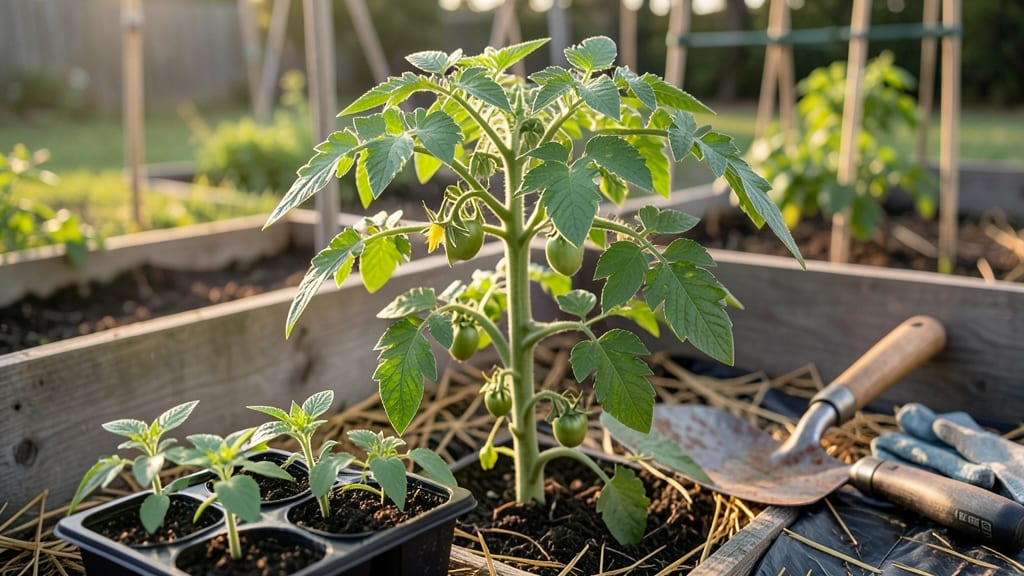
When should you plant tomatoes in Texas can mean the difference between a bumper crop and a sad, wilted disappointment. With Texas summers hitting 100°F+, most gardeners panic at the thought of planting too early—but the secret is knowing exactly when to start seeds indoors or set out transplants for your specific region.
North Texas gardeners should aim for early spring, while South Texas can push planting into late winter—just as long as you avoid frost and soil temperatures stay above 60°F.
The key? Heat-tolerant varieties like ‘Solar Fire’ or ‘Celebrity’ that won’t bolt in the heat, paired with smart soil prep to lock in moisture.
I’ve grown tomatoes in Texas for years, and I’ll show you the exact dates to plant by region, plus pro tips to stretch your harvest into fall. No more guessing—just juicy, homegrown tomatoes all season long.
Ready to beat the Texas heat? Let’s dive into the best planting windows, variety picks, and tricks to keep your tomatoes thriving when others give up.
Texas planting zones & exact start dates for tomatoes by region
Texas’s diverse climate zones mean your tomato planting window can vary by hundreds of miles. North Texas faces late frosts into March, while South Texas enjoys frost-free conditions by January.
To avoid heat stress or frost damage, align your planting with your region’s last frost date and soil temperature—aim for 60°F+.
Most Texas gardeners focus on two planting windows: early spring (for summer harvests) and late summer (for fall harvests). The key is timing transplants so they mature before peak summer heat (June–August) or first fall frosts (November–December). Let’s break it down by region to ensure your tomatoes thrive.
| Region | Last Frost Date | Ideal Transplant Window | Harvest Window | Key Tip |
|---|---|---|---|---|
| North Texas (Dallas/Fort Worth) | Mid-February | April 1–15 | June–July | Use black plastic mulch to warm soil faster. |
| Central Texas (Austin/San Antonio) | Late January | March 1–31 | May–June | Start seedlings indoors in February for earlier planting. |
| South Texas (Houston/Corpus Christi) | Early January | February 15–March 15 | April–May | Consider fall planting (August–September) for late harvests. |
For North Texas gardeners, the April 1–15 window is critical—planting too early risks frost damage, while waiting too long means your tomatoes will overheat before ripening. Use row covers if late frosts linger, but remove them once temperatures stabilize above 50°F.
Central Texas offers a slightly longer window, but March planting ensures your tomatoes mature before 100°F+ heatwaves hit in May. If you live in West Texas, where summers are even hotter, opt for heat-tolerant varieties like ‘Solar Fire’ or ‘Heatmaster’ to survive the intense sun.
In South Texas, the mild winters allow for two planting seasons: spring (February–March) and fall (August–September). The fall crop avoids the brutal summer heat and often produces sweeter tomatoes. Just be sure to harvest before first frost, which can arrive as early as November 15.
Pro tip: Check your local AgriLife Extension office for hyper-local frost dates, as microclimates (like urban heat islands) can shift planting windows by 1–2 weeks. For example, Dallas might frost on March 1, while Fort Worth could stay frost-free until March 15.
If you’re seed-starting indoors, begin 6–8 weeks before transplanting to give seedlings enough time to develop strong roots. Use grow lights for 14–16 hours of light daily to prevent leggy seedlings. Harden off seedlings for 7–10 days before transplanting to reduce transplant shock.
For direct sowing, wait until soil temperatures reach 70°F+—this is especially important in South Texas, where soil warms faster. Plant seeds ½ inch deep and keep them consistently moist until germination (usually 7–14 days).
Thin seedlings to 18–24 inches apart for determinate varieties or 24–36 inches for indeterminate.
Remember: Tomatoes hate cold feet. Always plant in well-draining soil amended with compost and a balanced fertilizer (like 5-10-10). Mulch with straw or black plastic to retain moisture and regulate soil temperature. With these regional guidelines, you’ll be harvesting homegrown tomatoes in no time! 🌱
Texas planting zones & exact start dates for tomatoes by region
Texas’s diverse climate means your tomato planting window can vary dramatically from North Texas to South Texas. In Zone 8a (Dallas/Fort Worth), the last frost typically hits around February 15, while Zone 10a (Houston/Corpus Christi) rarely sees frost at all.
To avoid heat stress or early frost damage, align your planting with these regional deadlines.
For spring plantings, aim to transplant seedlings 2–4 weeks after your last frost date.
In North Texas, that’s usually late March to early April, while South Texas gardeners can start as early as February. Fall plantings (for a second harvest) work best when you sow seeds 8–10 weeks before your first frost, which in North Texas is around mid-October and in South Texas, as late as November.
🌱 Key Rule: Never plant when soil temps are below 60°F—use a soil thermometer to check. In Central Texas (Austin/San Antonio), where frost is rare, focus on heat tolerance and disease resistance in your variety choices.
| Region | Last Frost | Spring Planting Window | Fall Planting Window | Soil Temp Goal |
|---|---|---|---|---|
| North Texas (Dallas/FW) | Feb 15 | Late March–Early April | Mid-October | 60°F+ |
| Central Texas (Austin/San Antonio) | Jan 15 | Early March–Late March | Late September–Early October | 60°F+ |
| South Texas (Houston/Corpus Christi) | None (Zone 10a) | February–March | November | 65°F+ (heat-tolerant varieties) |
If you’re starting seeds indoors, begin 6–8 weeks before transplanting. For North Texas, that means mid-January for spring crops, while South Texas gardeners can start seeds as early as December.
Use grow lights to provide 12–14 hours of light daily until seedlings are strong enough to handle Texas sun.
Pro tip: Black plastic mulch warms soil faster and can shave 1–2 weeks off your planting timeline. Lay it down 2 weeks before transplanting to give your tomatoes a head start in cooler regions like North Texas.
In South Texas, prioritize shade cloth during peak summer to protect young plants from 100°F+ heat.
Miss the spring window? Don’t panic—fall plantings can be just as productive if timed right. In Central Texas, aim for late August to early September to avoid the scorching July heat.
Use drip irrigation to keep roots cool and mulch heavily to retain moisture during Texas’s dry autumns.
🌡️ Heat Wave Hack: If temps soar above 95°F after transplanting, delay planting by 2–3 weeks or opt for heat-tolerant varieties like ‘Solar Fire’ or ‘Heatmaster’ to avoid blossom drop or sunscald.