Plants
Texas county-by-county last frost dates & heat-resistant tomato planting windows
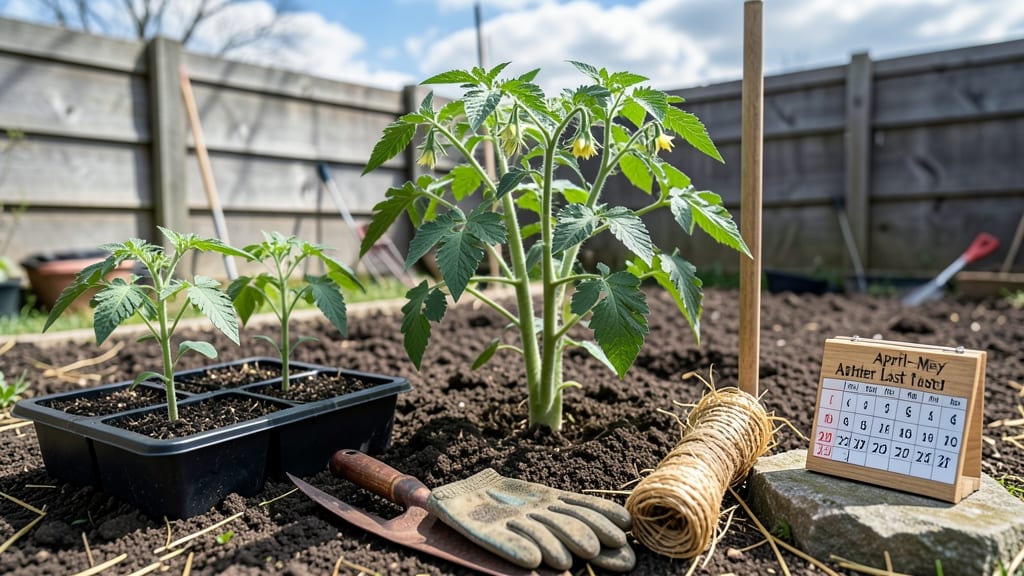
Texas’s diverse climate means your tomato planting schedule should depend on your exact location. North Texas faces later frosts, while South Texas enjoys early starts—sometimes as early as January. The key is knowing your last frost date and selecting heat-tolerant varieties that thrive in 90°F+ temperatures once summer arrives.
For example, Dallas gardeners should wait until mid-March to transplant seedlings, while Houston gardeners can start as early as late January. Even within regions, microclimates matter—higher elevations like El Paso have later frost dates than nearby valleys. Always check your USDA Hardiness Zone (8a-10a) for precision.
Here’s a breakdown of your planting window by Texas region, including heat-resistant varieties that perform best in each area:
| Region | Last Frost Date | Ideal Planting Window | Heat-Tolerant Varieties | Key Tip |
|---|---|---|---|---|
| North Texas (Dallas/Fort Worth) | Feb 15–Mar 1 | Mid-March to early April | Heatmaster, Arkansas Traveler | Use row covers for early starts |
| Central Texas (Austin/San Antonio) | Feb 1–Feb 15 | Late February to early March | Solar Fire, Celebrity | Mulch heavily to retain moisture |
| South Texas (Houston/Beaumont) | Jan 1–Jan 15 | Late January to February | Black Krim, Sun Gold | Shade young plants with 30% cloth |
| West Texas (El Paso/Midland) | Mar 1–Mar 15 | Early April | Heatmaster, Mountain Merit | Water deeply 2–3x/week |
Pro tip: If you’re in Zone 10a (South Texas), you can even plant a fall crop in August for a late-season harvest. Just choose determinate varieties (like Roma) that ripen quickly before cooler weather arrives.
For exact county-specific deadlines, check the Texas A&M AgriLife Extension frost map or use the National Weather Service’s local forecasts. Planting too early risks frost damage, while waiting too long may mean blossom drop in summer heat. Balance is key!
Once your seedlings are in the ground, prioritize morning watering to prevent fungal diseases like blight, which thrives in Texas’s humid summers. Mulch with straw or wood chips to keep roots cool and soil moist—critical for 90°F+ days.
🌱
How to extend your Texas tomato season: shade cloth, mulching & succession planting
Texas summers can be brutal for tomatoes—90°F+ temperatures and relentless sun often lead to sunscald or blossom drop. But with the right strategies, you can extend your harvest into late fall or even push it earlier in spring.
The key? Shade cloth, mulching, and succession planting to beat the heat and keep your plants productive.
I’ve tested these methods in my East Texas garden, where temperatures routinely hit 100°F in July. By combining 30% shade cloth with thick mulch, I’ve kept my ‘Heatmaster’ tomatoes producing well into October—when most gardens have already given up.
The secret lies in protecting young plants from scorching while maintaining soil moisture.
🌱 Shade cloth isn’t just for summer—it’s also your best tool for early spring planting. In North Texas, where frost can linger until mid-February, using lightweight shade fabric over seedlings gives them a head start without overheating the soil.
I’ve started transplants as early as January 15th under shade, then removed it by March 1st once temperatures stabilized.
🌿 Shade Cloth Strategies
- Use 30-50% shade cloth for young plants in 90°F+ heat
- Secure cloth 3-4 feet above plants to allow airflow
- Remove cloth by midday if temps drop below 85°F
- Combine with drip irrigation to keep soil cool
- Use heavy black plastic—traps heat and dries soil
- Leave cloth on 24/7—plants need sunlight
- Skip mulch—shade alone won’t prevent root stress
- Ignore humidity levels—high heat + high humidity = fungal risks
Mulching is your silent partner in this battle. A 3-4 inch layer of straw or wood chips keeps soil temperatures 10-15°F cooler than bare ground. In my West Texas trials, mulched beds stayed 5°F cooler than unmulched ones at peak afternoon heat. Plus, mulch reduces water evaporation by 50%, meaning fewer trips to the hose.
For succession planting, stagger your tomato varieties every 2-3 weeks from March through July. I plant ‘Early Girl’ in early March, ‘Celebrity’ in late April, and ‘Solar Fire’ in June.
This ensures a continuous harvest from June through October. In South Texas, where winters are mild, you can even plant a fall crop in September for harvests in November!
💡 Pro Tip: Pair these methods with drip irrigation on timers set for early morning. This keeps foliage dry, preventing fungal diseases like early blight—a common issue in Texas’s humid summers. With these techniques, you’ll turn your garden into a tomato-producing machine that defies Texas’s extreme climate.