
Companion Plants
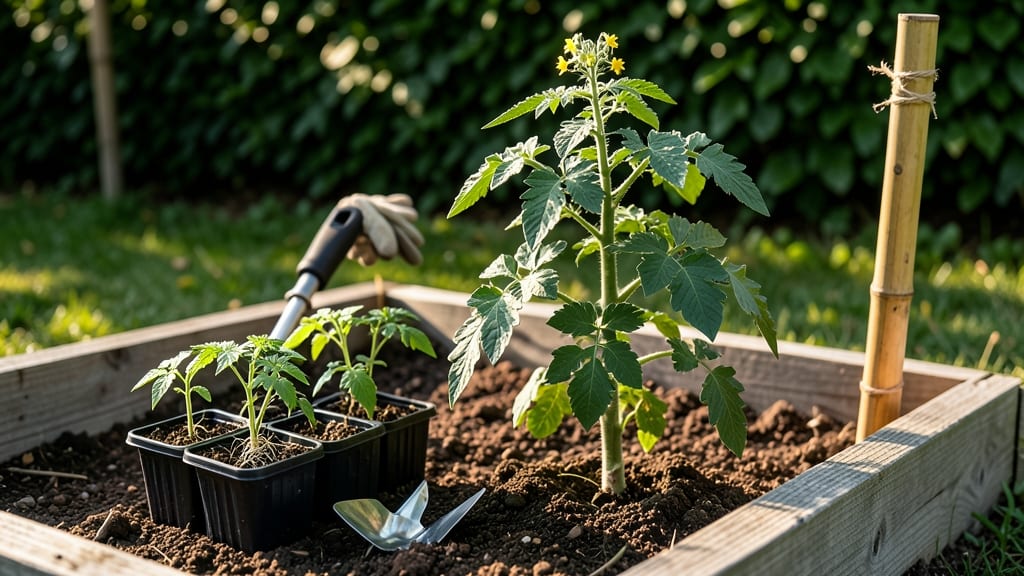
Timing when should I plant tomatoes in Tennessee isn’t just about the calendar—it’s about dodging frost and heat waves that can turn your garden dreams into a sad, wilted mess. One week too early, and a late frost will nip your seedlings in the bud.
One week too late, and your plants might struggle to mature before summer’s brutal heat sets in.
If you’ve ever stared at your seed packets wondering, “When should I actually plant these tomatoes?”—this is your sign to stop guessing. Tennessee’s microclimates, from the cooler Appalachian foothills to the steamy Mississippi Delta, demand a tailored approach.
I’ll break down the exact planting windows for your region, so you can skip the trial-and-error and get straight to juicy, vine-ripened rewards.
We’re talking soil temperatures, last-frost dates, and even how to adjust for containers if you’re growing in pots. Whether you’re a first-timer or a seasoned gardener, these tips will help you plant with confidence—so your tomatoes thrive from June all the way through October.
Ready to turn your backyard into a productive tomato powerhouse? Let’s get you planting at the perfect moment for zero-frost success—no more wasted seeds or disappointed harvests.
Tennessee’s tomato planting Zones: exact dates by region for frost-free growth
Tennessee’s three distinct regions—East, Middle, and West—each demand different planting timelines for tomatoes. The Appalachian Mountains in East Tennessee can experience late frosts until May 10, while West Tennessee’s Mississippi Delta often sees last frosts by March 15.
Understanding these microclimates ensures your tomato plants thrive from seedling to harvest.
For East Tennessee (USDA Zones 6a-6b), plant transplants after April 15 or start seeds indoors by March 1 for an early start. The cooler, higher elevations require heat-tolerant varieties like 'Celebrity' or 'Mountain Merit' to compensate for shorter growing seasons.
In contrast, Middle Tennessee (Zones 6b-7a) can safely plant outdoors by April 1, with varieties like 'Better Boy' thriving in the warmer climate.
West Tennessee’s longer growing season (Zones 7a-7b) allows for earlier planting, often by March 15, but watch for humidity-related diseases like early blight. Varieties such as 'Heatmaster' or 'Solar Fire' excel here due to their heat and disease resistance.
Always check your local frost-free date using the Old Farmer’s Almanac for precise timing.
| Region | Last Frost Date | Ideal Planting Window | Best Varieties | Key Consideration |
|---|---|---|---|---|
| East Tennessee | April 15-May 10 | April 15-May 1 (transplants) | Celebrity, Mountain Merit | Cooler nights, shorter season |
| Middle Tennessee | March 20-April 5 | April 1-April 15 | Better Boy, Early Girl | Moderate humidity, balanced heat |
| West Tennessee | March 10-March 20 | March 15-April 1 | Heatmaster, Solar Fire | High heat, humidity risks |
If you’re growing tomatoes in containers, adjust your planting window by 2-3 weeks earlier since pots warm up faster. However, ensure your containers are at least 12 inches deep and use a lightweight potting mix to prevent overheating.
For in-ground planting, amend your soil with compost or aged manure 4-6 weeks before planting to improve drainage and fertility.
For early varieties, consider using row covers or cold frames to extend your season. These protective measures can push your planting date back by 2-3 weeks in cooler regions like East Tennessee.
Always monitor soil temperatures—tomatoes need at least 60°F soil to germinate successfully. Use a soil thermometer to avoid planting too early.
In West Tennessee’s hotter climate, focus on shade cloth during peak summer months to prevent sunscald on fruits. Varieties like 'Arkansas Traveler' or 'Sun Gold' perform exceptionally well in these conditions. Meanwhile, East Tennessee gardeners should prioritize disease-resistant hybrids like 'Defiant PhR' to combat fungal issues from frequent rain.
Pro tip: Plant a second crop of fast-maturing varieties (like 'Early Girl') in late June or early July for a fall harvest. This works especially well in West and Middle Tennessee, where the growing season extends into October.
Just be sure to use disease-free seeds and rotate planting locations annually to prevent soil-borne pathogens.
Always keep an eye on your local weather forecasts in the weeks leading up to planting. A sudden cold snap can devastate young seedlings, so have row covers or a greenhouse ready to protect your investment.
With the right timing and variety selection, you’ll enjoy homegrown tomatoes from June through October—no matter where you garden in Tennessee.
🌱
How to adjust planting dates for Tennessee’s microclimates and soil conditions
Tennessee’s microclimates can shift planting windows by weeks—even within the same county. In the Appalachian foothills (like Sevier County), cooler nights delay starts until May 1, while the Memphis Delta (Shelby County) often allows April 15 planting. Use these adjustments to match your local conditions.
For mountain regions, extend seasons with row covers or cold frames. These tools let you plant 4-6 weeks earlier by trapping heat and shielding seedlings from late frosts. In river valleys, prioritize disease-resistant varieties to combat humidity-driven blight.
Soil temperature is your true planting guide. Tomatoes need soil at 60°F+ to germinate. Use a soil thermometer—if it’s cooler, wait. In West Tennessee’s clay soils, add compost to improve drainage, while East Tennessee’s sandy loam benefits from organic mulch to retain moisture.
- 🏔️ Mountain Areas: Plant May 1-15; use black plastic mulch to warm soil faster.
- 🌾 Valley Regions: Start April 1-15; choose heat-tolerant varieties like 'Solar Fire'.
- 🏙️ Urban Heat Islands: Plant April 10-25; water deeply at night to cool roots.
- 🌧️ Humid Zones: Space plants 24" apart for airflow; avoid overhead watering.
- 🌡️ Late-Frost Hotspots: Use row covers until May 30 to protect seedlings.
If you’re container gardening, warm soil faster with black pots and move containers to sunnier spots during the day. For in-ground planting, till in aged compost 2 weeks before planting to jumpstart soil microbes. Both methods help speed up germination in Tennessee’s unpredictable spring.
Watch for local frost alerts—the Tennessee State Climatology Office provides updated forecasts. In East Tennessee, frost can linger until May 10, while West Tennessee typically sees its last frost by April 15. Adjust your schedule accordingly to avoid frost damage.
For a second harvest, try fall planting in late July. Choose fast-maturing varieties (like 'Early Girl') and use row covers to extend the season into October. This works best in warmer microclimates where first frosts arrive late.
Remember: Soil > Calendar. Even if the date says "go," cold soil will stall growth. Always test soil temperature before planting—your tomatoes will thank you with bigger, sweeter fruit all season. 🌱