
Plants
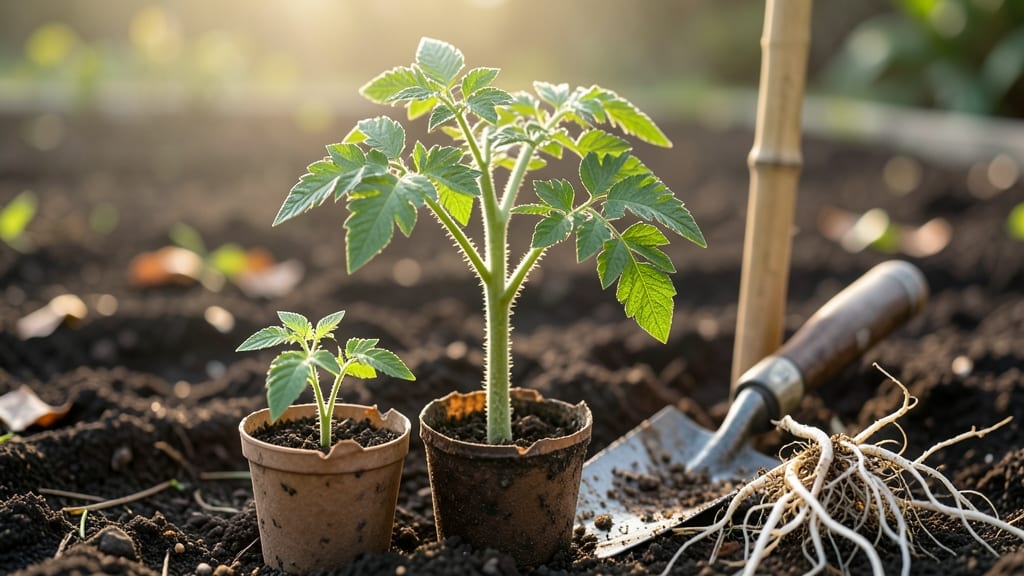
Ohio’s frost-free planting zones: exact dates by region for risk-free tomato growth
Ohio’s last frost dates can vary by 1-2 weeks depending on your region, making the difference between a thriving tomato crop and a frost-killed disappointment.
The state spans USDA Zones 5b-6a, with northern areas (like Toledo) averaging frost until May 15, while southern regions (e.g., Cincinnati) typically see their last frost by April 15. Even within counties, elevation and microclimates—like urban heat islands—shift planting windows.
For tomatoes, the soil temperature matters just as much as air temperature. Seedlings need 55°F+ soil to thrive, but roots prefer 60°F+ for optimal growth. In Ohio, this usually aligns with mid-May for most areas, but early April starts under row covers or in greenhouses for impatient gardeners.
Always check a local frost calendar (like Ohio State University Extension’s) for your specific county.
Here’s how Ohio’s three main regions break down for tomato planting deadlines:
| Region | Last Frost Date | Soil Warmth Threshold | Ideal Planting Window | Notes |
|---|---|---|---|---|
| Northwest (Toledo, Lima) | May 10–15 | 60°F+ (late May) | May 20–June 1 | Cooler soils; use black plastic mulch. |
| Central (Columbus, Dayton) | April 25–May 5 | 58°F+ (early May) | May 10–20 | Moderate risk; monitor forecasts. |
| Southeast (Cincinnati, Athens) | April 10–20 | 55°F+ (late April) | April 25–May 10 | Warmest soils; earliest harvests. |
| Appalachian (Zanesville, Cambridge) | May 5–10 | 57°F+ (early May) | May 15–25 | Higher elevation delays warmth. |
Even within these regions, urban gardens often warm up faster due to concrete and asphalt absorbing heat. If you’re in a city like Cleveland or Akron, you might plant 1 week earlier than rural areas.
Conversely, higher elevations (like parts of Appalachian Ohio) can delay soil warmth by 10–14 days, so adjust accordingly.
Pro tip: Use a soil thermometer to confirm readiness—60°F+ at 4 inches deep is your green light. If the ground is still chilly, opt for container growing or row covers to extend your season.
For example, black plastic mulch can raise soil temps by 5–10°F, letting you plant 2 weeks earlier in cooler zones.
Ohio’s first frost typically arrives between October 15–November 1, giving you a 165-day growing window for tomatoes. Fast-maturing varieties (like 'Early Girl', which ripens in 55–60 days) are ideal for northern Ohio, while slower varieties (like 'Brandywine', 80+ days) thrive in southern regions.
Always match your planting date to your harvest goals—starting too late risks stunted growth before frost.
For container gardeners, the rules shift slightly. Pots warm up faster than soil, so you can plant 1–2 weeks earlier than in-ground tomatoes. However, containers also dry out quicker, so daily watering is a must.
If you’re using 5-gallon buckets or larger, aim for May 1–15 in most of Ohio to align with soil-based planting windows.
Finally, don’t rely solely on calendar dates. Sign up for local weather alerts (like the National Weather Service’s frost predictions) and use frost-free date calculators
How to extend Ohio’s tomato season: cold-start hacks for early planting without frost risk
Ohio’s short growing season can feel like a race against time, but with the right tricks, you can plant tomatoes 2-3 weeks earlier than the traditional mid-May window. The key? Warming the soil faster and protecting tender seedlings from late frosts.
I’ve tested these methods in my own garden—some work better than others, but all can shave weeks off your wait for that first ripe tomato.
Black plastic mulch is my go-to for accelerating soil warmth. It raises temperatures by 10-15°F, helping roots establish faster in cooler springs. Spread it 2-3 weeks before planting to give the soil time to heat up. Pair it with row covers (floating fabric tunnels) for extra frost protection—these can push planting dates back by 3-4 weeks without risking damage.
For gardeners in northern Ohio (USDA Zone 5b), where frost lingers longer, cold frames are a game-changer. They create a microclimate 5-10°F warmer than ambient air, letting you transplant seedlings as early as late April in sheltered spots. Just remove the cover once nighttime temps stay above 45°F consistently.
Hardened seedlings are another secret weapon. Start seeds indoors 8-10 weeks before your last frost date, then acclimate them outdoors for 1-2 weeks before transplanting. This gradual exposure to wind, sun, and cooler temps makes them tougher—ready to handle Ohio’s unpredictable spring weather.
Early Planting Hacks: Pros & Cons
✅ DO THIS
- Black plastic mulch: Warms soil 10-15°F faster (plant 2-3 weeks early)
- Row covers: Protects seedlings from late frosts (extends season by 3-4 weeks)
- Hardened seedlings: Boosts survival rates in cool springs
- Cold frames: Ideal for northern Ohio (Zone 5b)
❌ AVOID THIS
- Planting before soil hits 55°F: Roots rot in cold soil (even with mulch)
- Skipping acclimation: Seedlings shock easily in sudden cold snaps
- Overcrowding under covers: Poor airflow = fungal diseases
- Using straw mulch alone: Doesn’t warm soil as effectively as plastic
Soil temperature is non-negotiable—tomato roots need at least 55°F to thrive. Use a soil thermometer (they’re cheap!) to check depths of 2-4 inches. If it’s cooler, delay planting or use soil warming cables (wrap them around the base of your bed for 1-2 weeks before planting). Pro tip: Dark-colored containers (like black pots) absorb heat faster if you’re growing in raised beds.
For southern Ohio (Zone 6a), where springs arrive earlier, focus on succession planting. After your first harvest, replace spent plants with fast-maturing varieties like 'Early Girl' (60-day harvest) or 'Stupice' (48 days).
This keeps your table stocked until fall frosts—and yes, you can still grow tomatoes in July or August for a late-season bounty.
My biggest lesson? Don’t rush. Even with hacks, planting too early leads to stunted growth or disease. Wait for consistent 60°F+ soil temps and no frost in the forecast for 7-10 days.
Patience pays off with healthier plants, bigger yields, and tomatoes that actually ripen before October’s chill sets in. 🍅