
Plants
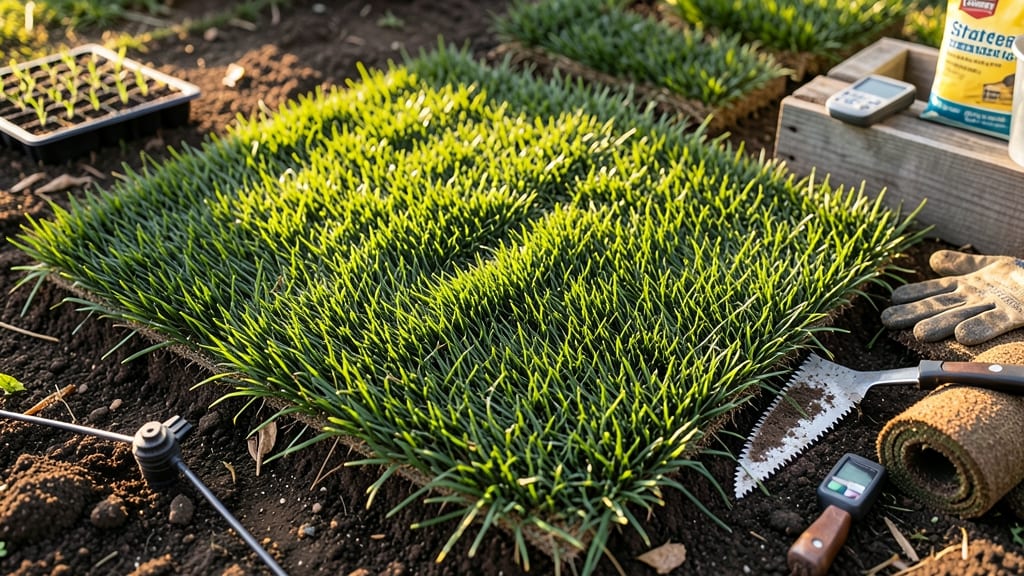
If you've ever stared at your brown, patchy lawn in Texas and wondered when is the best time to plant St. Augustine grass for that lush, green look, you're not alone.
The difference between a thriving yard and a struggling one often comes down to timing—and Texas' extreme heat and humidity make this even more critical.
Planting your 🌱 St. Augustine grass at the wrong time can leave it struggling against summer's intensity, while getting it right means stronger roots and a lawn that stays vibrant through the year.
For Texas' 8a-10b zones, the ideal windows are spring and early fall—but there's more to it than just picking a month.
In this guide, I'll break down exactly when to plant for maximum success, including how soil temperatures and regional differences affect your timing.
Whether you're in North Texas or down near the Gulf Coast, you'll discover the precise windows that give your grass the best chance to establish before summer hits.
Ready to transform your lawn? Let's dive into the science-backed secrets for planting St. Augustine grass at the perfect moment—so you can enjoy that rich green carpet all season long.
Best months to plant St. augustine grass in Texas for maximum root establishment
Texas’ extreme heat and variable frost dates make timing critical for St. Augustine grass success. Planting too early risks frost damage, while late planting exposes young roots to summer stress.
The sweet spot is when soil temperatures hit 65°F or higher, ensuring strong root growth before the heat peaks.
For most of Texas, this means focusing on spring (March–May) and early fall (August–September).
Spring planting gives grass a head start before summer’s intensity, while fall planting allows roots to establish before winter dormancy. North Texas (cooler zones) may extend spring planting into early June, but South Texas should prioritize March–April to avoid summer drought.
Soil temperature, not air temperature, is your best guide. Use a soil thermometer to confirm 65°F+ at 4-inch depth. In Houston or San Antonio, this typically aligns with late February–March, while Austin or Dallas may wait until mid-March. West Texas (like Lubbock) should aim for April–May due to later warming.
Here’s how regional USDA zones (8a–10b) influence your planting window:
| Region | Ideal Planting Window | Soil Temp Goal | Key Consideration |
|---|---|---|---|
| North Texas (Zones 7b–8a) | March–May | 65°F+ | Later frost risk; extend to June if needed |
| Central Texas (Zones 8a–8b) | Late March–April | 65°F+ | Balanced heat/drought; avoid May |
| South Texas (Zones 9a–10b) | February–March | 68°F+ | Humidity + heat; prioritize early spring |
| West Texas (Zones 7b–8b) | April–May | 70°F+ | Dry heat; water deeply post-planting |
Spring planting offers the longest growing season before summer’s 100°F+ temperatures. Aim to establish roots by June 1 to avoid heat shock. For fall planting, focus on August–September—early enough for root growth but late enough to avoid hurricane season (which can disrupt establishment).
Pro tip: ‘Floratam’ and ‘Palmetto’ cultivars handle heat better than others. If planting in June, choose these varieties and shade young grass with 50% shade cloth for the first 30 days to reduce stress. Mulch with straw (1–2 inches) to retain moisture and cool roots.
Overwatering or planting in soggy soil can suffocate roots, so amend clay-heavy soils with compost or sand to improve drainage. Test your soil’s pH (6.0–7.5)—St. Augustine thrives in slightly acidic to neutral conditions. Adjust with lime (to raise pH) or sulfur (to lower pH) 4–6 weeks before planting.
For sod vs. plugs, plugs (small sections) establish faster in Texas’ heat but require more frequent watering. Sod spreads quickly but needs consistent moisture for the first 2 weeks.
If using plugs, space them 18–24 inches apart to allow for fill-in growth. Roll a lawn roller lightly after planting to ensure contact with soil.
Monitor your lawn’s progress with these root growth milestones: 4–6 weeks for initial root spread, 8–10 weeks for deeper anchoring. If brown patches appear, it’s often underwatering—St. Augustine needs 1–1.5 inches of water weekly (more in summer). Adjust your irrigation schedule based on rainfall and heat intensity.
Best months to plant St. augustine grass in Texas for maximum root establishment
Texas’ extreme heat and variable climate make timing critical for planting St. Augustine grass. The ideal window is spring (March–May) and early fall (August–September), when soil temperatures hover between 65°F–85°F. This range ensures strong root establishment before summer’s brutal heat or winter’s chill sets in.
In North Texas (USDA Zones 7b–8a), aim for late March to early May to avoid late frosts. Central and South Texas (Zones 8b–10b) can plant slightly earlier, around February–March, but watch for unpredictable frost risks in early spring. Fall planting in August–September gives young roots time to strengthen before winter.
Soil temperature is your best indicator. Use a soil thermometer to confirm 65°F+ at 4-inch depth. In Houston or San Antonio, this typically aligns with mid-March to early April, while Dallas or Fort Worth may need to wait until late April.
🌱 St. Augustine Grass Planting Timeline by Texas Region
| Region | Best Planting Window | Soil Temp Requirement | Key Consideration |
|---|---|---|---|
| North Texas (Dallas/Fort Worth) | Late April–May | 65°F+ | Avoid late frosts (avg. last frost: March 15) |
| Central Texas (Austin) | March–April | 65°F–75°F | Balanced heat and rainfall |
| South Texas (Houston/San Antonio) | February–March | 68°F+ | Higher humidity; monitor fungal risks |
| All Regions (Fall) | August–September | 70°F–80°F | Root growth before winter dormancy |
If you miss the spring window, don’t panic—fall planting is nearly as effective. The key is to avoid summer heat, which stresses young grass. ‘Floratam’ and ‘Palmetto’ cultivars handle fall transitions better than others, so choose wisely if you’re planting late.
Pro tip: Mulch heavily after planting to retain moisture and regulate soil temperature. A 2–3 inch layer of mulch can improve survival rates by 30% in Texas’ erratic climate. Pair this with deep watering (1–1.5 inches per week) to encourage deep root growth before summer arrives.
Remember, St. Augustine grass is heat-loving but frost-sensitive. Planting too early risks frost damage, while planting too late risks summer stress. March–May and August–September strike the perfect balance for Texas’ diverse microclimates. 🌿