
Flowers
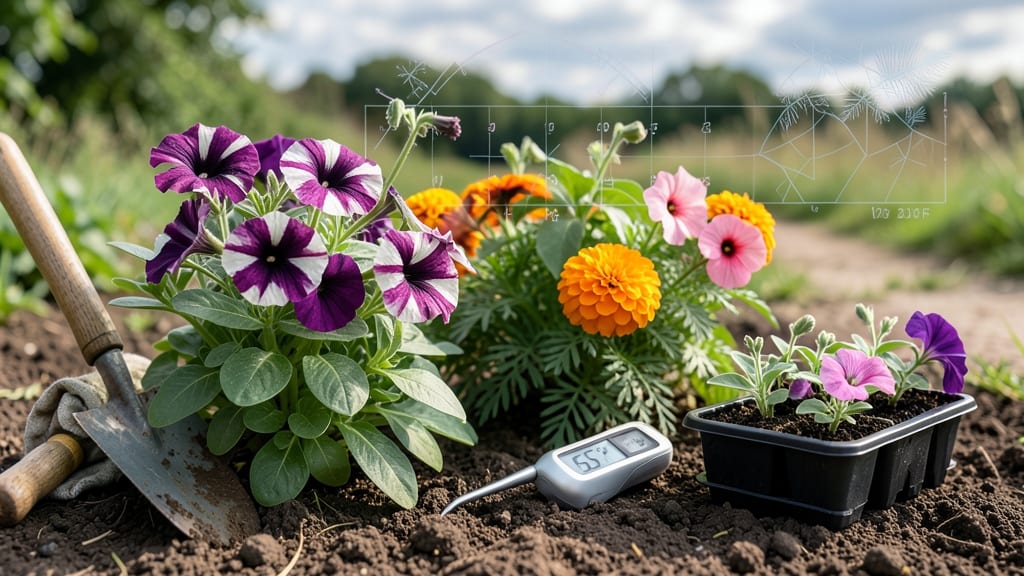
Knowing when is it safe to plant flowers in Ohio can mean the difference between a garden bursting with color and one that never quite takes off.
Ohio’s Zone 5-6 climate throws a curveball with unpredictable frost dates—one year you might be planting by mid-April, while another year you’re still waiting until early May.
As someone who’s watched 🌸 flowers wilt overnight from a late frost, I’ve learned the hard way that calendar dates alone won’t cut it.
You need to factor in soil temperature, microclimates (urban areas warm faster than rural spots), and even the type of flowers you’re planting—cool-season varieties like pansies handle early starts, while tender annuals like marigolds need to wait until all danger of frost has passed.
This guide cuts through the guesswork with Ohio-specific frost charts, planting windows for Zone 6a regions, and real-world tips from local nurseries.
Whether you’re prepping for spring bulbs or summer annuals, you’ll find out exactly when to get your hands in the dirt—and how to extend your growing season without risking frost damage.
Ready to transform your Ohio garden into a year-round bloom? Let’s dive into the exact dates and strategies that’ll have your flowers thriving from the first frost-free day until fall’s first chill.
Ohio’s safe flower planting dates by microclimate Zone 5-6 (with frost risk charts)
Ohio’s Zone 5-6 climate means your planting timeline depends heavily on microclimates—urban areas like Columbus often warm up faster than rural spots in Appalachia.
The average last frost date hovers around April 15, but this shifts 1-2 weeks earlier in southern Ohio (e.g., Cincinnati) and 1-2 weeks later in the northeast (e.g., Cleveland). Always verify with your local Cooperative Extension office for hyper-local data.
For cool-season flowers like pansies or snapdragons, you can plant as early as early March in Zone 6 areas (southern Ohio), while Zone 5 gardeners should wait until mid-April. Warm-season bloomers like marigolds or zinnias, however, demand soil temps above 60°F—typically late May in northern Ohio.
Use a soil thermometer to confirm readiness.
Urban gardens face unique risks: concrete heat islands can push soil temps up faster, while wind exposure near buildings may delay warming. Rural areas with loamy soil (like much of central Ohio) hold moisture better, extending the safe window by 7-10 days compared to sandy soils in the northwest.
Here’s a quick reference for Ohio’s two zones, including frost risk and ideal planting windows for both annuals and perennials:
| Zone | Region | Last Frost Date | Safe for Cool-Season Flowers | Safe for Warm-Season Flowers | Frost Risk After Planting |
|---|---|---|---|---|
| Zone 6 (South/Central) | Early April | Early March (pansies, lettuce) | Late April (marigolds, zinnias) | 10% chance after May 1 |
| Zone 5 (Northeast/Appalachia) | Mid-April | Mid-April (hardy annuals) | Early May (petunias, geraniums) | 20% chance after May 15 |
| Urban Microclimates | 1-2 weeks earlier | Late February (with row covers) | Late April (soil warms faster) | Varies by exposure |
Pro tip: Hardy perennials like coneflowers or black-eyed Susans can handle Ohio’s Zone 5-6 winters when planted in early fall (September). This gives roots time to establish before dormancy. For tender perennials like lavender, wait until late May to avoid frost.
If you’re starting seeds indoors, begin 6-8 weeks before your last frost date. For Zone 6, that’s mid-February; for Zone 5, early March. Use grow lights to prevent leggy seedlings—Ohio’s short winter days limit natural light.
Extend your season with row covers or cold frames. These can push your early planting window back by 3-4 weeks, letting you sow cool-season flowers like calendulas in late February even in Zone 5. Just remove covers when temps hit 70°F to avoid overheating.
For container gardening, urban gardeners gain flexibility. Pots warm up faster than soil, so you can plant warm-season flowers like begonias 2 weeks earlier than in-ground. Just ensure containers have drainage holes to prevent root rot from Ohio’s spring rains.
Always monitor local weather forecasts in the week before planting. A late frost in early May can wipe out tender seedlings overnight. Keep a frost cloth on hand for emergency protection.
🌱
Best flowers to plant in Ohio by season (and when to start seeds indoors)
Ohio’s Zone 5-6 climate lets us grow stunning flowers year-round, but timing matters. Cool-season bloomers like pansies and snapdragons thrive in early spring or fall, while warm-season favorites like zinnias and marigolds need summer’s heat.
I’ll break down the best flowers for each season—and when to start seeds indoors to beat Ohio’s unpredictable frosts.
For Ohio gardeners, indoor seed-starting is your secret weapon. Begin 6-8 weeks before your last frost date (typically mid-April for most of the state). This gives delicate flowers like geraniums and petunias a head start before transplanting outdoors after Memorial Day.
But don’t forget hardy perennials like coneflowers and black-eyed Susans—they can handle Ohio’s cool springs and still bloom all summer.
| Season | Best Flowers | Indoor Start Time | Outdoor Planting |
|---|---|---|---|
| Early Spring | Pansies, Snapdragons, Sweet Alyssum | February-March | April (after frost) |
| Late Spring | Petunias, Geraniums, Marigolds | March-April | May (soil 50°F+) |
| Summer | Zinnias, Sunflowers, Cosmos | Direct sow April-May | After last frost |
| Fall | Mums, Asters, Calendula | July-August | September (6-8 weeks before frost) |
Fall planting is where Ohio gardeners shine. Mums and asters love our crisp autumn air, and starting their seeds in July-August ensures vibrant blooms before winter’s first frost. For bulbs like tulips and daffodils, plant them in October-November—they’ll naturalize beautifully in Ohio’s Zone 5-6 soils.
Pro tip: Use mulch after planting to protect bulbs from freezing-thaw cycles.
Don’t overlook perennial workhorses like bee balm and shasta daisies. These Ohio staples return year after year with minimal care. Plant them in early spring (April) or early fall (September) for best establishment.
For container gardens, opt for heat-tolerant annuals like portulaca or lantana—they’ll thrive in Ohio’s summer heat without wilting.
Extend your blooming season with succession planting. Replace spring pansies with summer geraniums in June, then swap them for fall mums in August. This keeps your garden vibrant from March to October—perfect for Ohio’s 165 frost-free days.
Just remember: water deeply after transplanting to reduce shock, especially during Ohio’s dry summer months.
For Ohio’s urban gardeners, microclimates matter. South-facing walls stay 5-10°F warmer than open gardens, so you can plant heat-lovers like zinnias 1-2 weeks earlier. Use row covers for early starts on cool-sensitive flowers like impatiens—they’ll reward you with longer blooming seasons without risking frost damage.
🌸