
Flowers
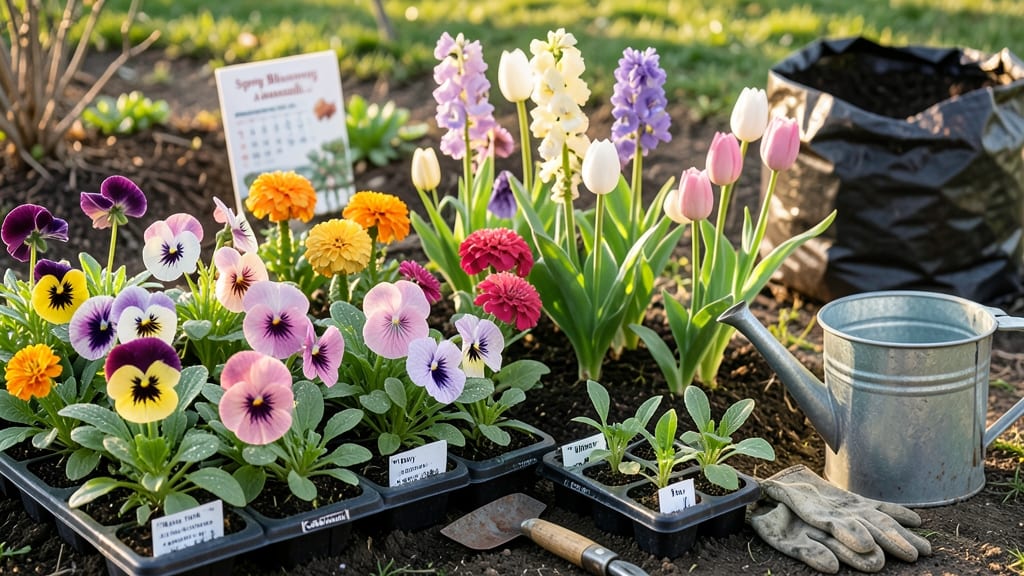
Timing your spring flower planting can make or break your garden—get it right, and you’ll enjoy vibrant blooms all season; get it wrong, and frost will turn your hard work into a sad, wilted mess. The key? Knowing your local frost dates and matching them to the right flowers.
In Zone 6a, like many gardeners, you’ll typically wait until after the last frost (around mid-May) for heat-loving varieties, but cold-hardy 🌸 flowers like pansies can go in much earlier.
This guide cuts through the guesswork with exact planting windows, soil prep tips, and variety-specific schedules so you never waste another seed.
Whether you’re a first-time gardener or a seasoned pro, planting at the wrong time is the #1 mistake—especially when balancing annuals that thrive in cool soil with perennials that need warmth. I’ll show you how to align your calendar with your climate, so your garden blooms like clockwork.
Ready to transform your yard into a year-round paradise? Let’s dive into the exact dates, soil tricks, and flower pairings that’ll have your garden looking like a postcard by summer.
Spring flower planting by USDA Hardiness zones & local frost dates
Spring planting success starts with knowing your USDA Hardiness Zone and local last frost date. These two factors determine whether your pansies or petunias will thrive—or freeze.
In Zone 3, for example, you might plant cold-hardy calendula in early April, while Zone 10 gardeners can start tropical marigolds as early as February. The key is matching your flower varieties to your climate’s frost-free window.
Don’t guess your frost date—check your local National Weather Service or Almanac for the average last frost in your area. Pro tip: Add 2-4 weeks to this date for seed-starting indoors, since seedlings need time to mature before transplanting.
For instance, if your last frost is May 15, start heat-loving zinnias indoors by March 15 to ensure they’re ready to go outside by late May.
Here’s how to use your zone and frost date to plan:
| USDA Zone | Average Last Frost Date | Cold-Hardy Flowers (Plant 4-6 Weeks Before Last Frost) | Warm-Season Flowers (Plant After Last Frost) | Key Tip for Your Zone |
|---|---|---|---|---|
| Zones 3-4 | Mid-May | Pansies, Sweet Peas, Snapdragons | Petunias, Marigolds, Sunflowers | Use row covers for early plantings |
| Zones 5-6 | Early-Mid May | Calendula, Foxglove, Columbine | Zinnias, Geraniums, Nasturtiums | Test soil temp—wait until 60°F |
| Zones 7-8 | Mid-April | Violas, Stock, Sweet Alyssum | Impatiens, Begonias, Lantana | Start seeds early indoors |
| Zones 9-10 | Late February-March | Pansies (cool-season), Snapdragons | Portulaca, Celosia, Tropical Lilies | Plant year-round in mild climates |
If you’re transplanting started seedlings or nursery plants, wait until 2 weeks after your last frost date to avoid frost damage. For example, in Zone 6 (last frost: May 1), transplant petunias by May 15.
But if you’re direct-sowing seeds, like marigolds or basil flowers, you can plant them 1-2 weeks before your last frost if the soil is workable (not frozen or waterlogged).
Cold snaps can still hit after your average last frost date, so keep an eye on the 10-day forecast. I once lost a batch of geraniums because I planted them too early—always have frost cloth on hand for emergencies.
For bulbs like tulips, plant them in fall (6-8 weeks before frost), but spring-blooming bulbs like crocuses can go in as early as late winter in warmer zones.
Another pro move: Hardening off seedlings before transplanting. If you started zinnias indoors in March, expose them to outdoor conditions for 7-10 days before moving them to the garden.
Start with 2 hours/day and gradually increase to full sun exposure. This toughens up their cell walls so they’re not shocked by outdoor temps or wind.
For perennials, timing matters too. Plant black-eyed Susans or coneflowers in early spring (as soon as soil is workable) so they establish roots before summer heat. But tender perennials like canna lilies need to wait until after Memorial Day in cooler zones.
Always check the plant tag for specific instructions—some perennials even warn against fall planting.
One common mistake? Planting warm-season flowers too early. I’ve seen gardeners rush to plant petunias in April only to have them rot in cold soil. Wait until soil temps hit 60°F—use a soil thermometer to check.
For cool-season flowers, the opposite is true: planting them too late (after June) can cause them to bolt to seed instead of blooming.
Finally, adjust your schedule if you’re in a microclimate. A south-facing slope warms up faster than a north-facing yard, so you might plant 2 weeks earlier in sunny spots.
Conversely, low-lying areas hold frost longer—plant there 1-2 weeks later than your zone’s average. Observe your garden’s patterns for a few years, and you’ll nail the timing every spring.
Best flowers to plant early vs. late spring (variety-specific schedules)
Not all flowers share the same timeline—some thrive in cool spring soil while others need to wait for warmth. Early spring is perfect for cold-hardy annuals and perennial bulbs, but heat-loving varieties will bolt or struggle if planted too soon.
Let’s break down the best flowers for each window and how to time them like a pro.
For early spring planting (4-6 weeks before your last frost date), focus on varieties that tolerate cooler temperatures and even light frosts.
These include pansies, sweet peas, and calendula, which can handle chilly soil as long as it’s not frozen. Perennials like foxglove and bleeding heart also love early starts—they establish roots before summer heat arrives.
- Cold-Hardy Annuals: Pansies, Sweet Peas, Calendula (plant 4-6 weeks before last frost)
- Perennials: Foxglove, Columbine, Bleeding Heart (plant as soon as soil is workable)
- Bulbs: Tulips, Daffodils, Hyacinths (plant fall or early spring, before leaves emerge)
On the flip side, late spring planting (after your last frost date) is for heat-loving annuals like petunias, geraniums, and zinnias.
These varieties won’t tolerate frost and may rot in cold, wet soil. Tender perennials, such as black-eyed Susans and coneflowers, also prefer warmer soil—planting them too early can stunt their growth.
Don’t forget about vegetable-flower hybrids like nasturtiums and borage, which thrive in late spring. These edible flowers add color and pollinator appeal while repelling pests—perfect for container gardens or vegetable beds.
Always check seed packets for “days to maturity”—this tells you exactly when to plant to enjoy blooms all season.
One common mistake? Planting warm-season flowers too early. If you’re eager to get started, start seeds indoors 6-8 weeks before your last frost date. For example, marigolds and sunflowers can handle cooler soil if sown early, but transplant them outdoors only after nighttime temps stay above 50°F.
Timing isn’t just about frost—it’s also about soil temperature. Use a soil thermometer to check if it’s at least 60°F before planting warm-season flowers. If your soil is still cold, opt for shade-tolerant varieties like impatiens or begonias to bridge the gap until conditions improve.