
Plants
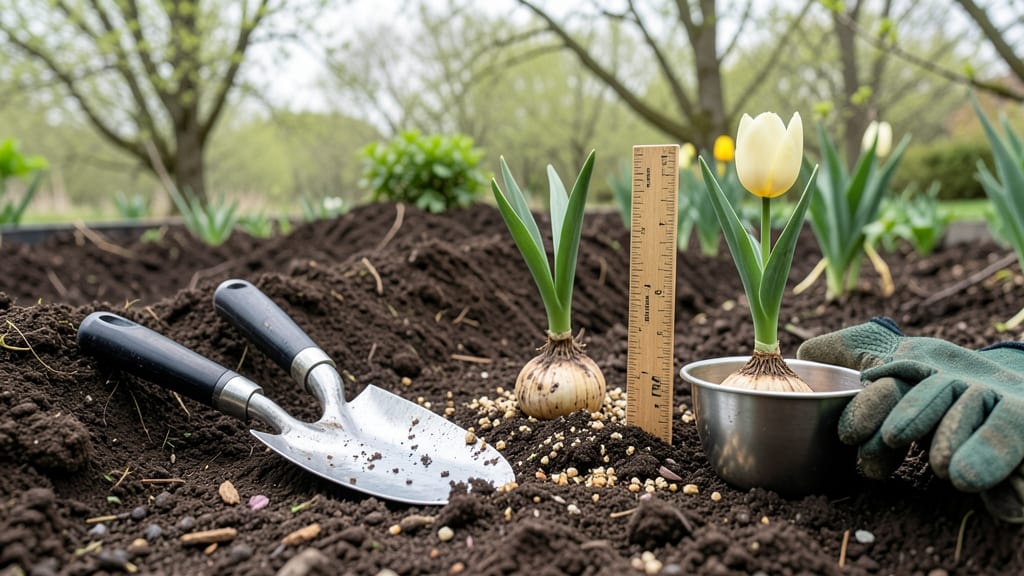
Planting tulip bulbs 🌷 at the wrong time in Australia can mean the difference between a stunning spring display and a disappointing flop.
The secret to success lies in understanding your local climate zone—whether you're in frost-prone Melbourne or milder coastal Sydney—and planting them 6-8 weeks before the first frost hits your area.
Most Australian gardeners should aim to plant tulip bulbs between March and May, when soil temperatures drop but haven't yet reached freezing. This timing gives the bulbs enough time to establish roots before winter sets in, ensuring they'll bloom beautifully in spring.
But here's the catch: regions with earlier frosts, like the Victorian highlands, need to plant sooner, while subtropical areas like Brisbane can wait until late autumn.
If you've ever struggled with tulips that refuse to bloom or rot before spring, you're not alone. The key is knowing when to plant based on your specific location—and avoiding common mistakes like planting too early (which can lead to bulb rot) or too late (resulting in weak growth).
I'll show you exactly how to time it right for your part of Australia, so you can enjoy vibrant blooms year after year.
Ready to transform your garden? Let's dive into the exact planting windows for your climate zone, plus pro tips to protect your tulips from Australia's unpredictable weather. Your spring garden will thank you!
Optimal tulip bulb planting times by Australian climate zone
Australia’s climate zones create a unique challenge for tulip growers. Unlike the Northern Hemisphere, where tulips thrive in spring planting, Australian gardeners must plant in autumn—typically between March and May—to align with the Southern Hemisphere’s seasonal shifts.
The key is planting 6–8 weeks before the first frost in your region, allowing bulbs to establish roots before winter dormancy.
Temperate zones like Sydney, Melbourne, and Adelaide offer the most predictable conditions, with April being ideal. In cooler highland areas (e.g., Canberra or the Victorian Alps), aim for March planting to avoid early frosts.
Meanwhile, subtropical regions like Brisbane or the Gold Coast can plant slightly later, in May or early June, due to milder winters.
Soil temperature is critical: tulip bulbs need 10–15°C (50–59°F) for root growth. Use a soil thermometer to check—planting too early in warm soil can cause bulbs to sprout prematurely, risking frost damage.
In hot inland areas (e.g., Perth or Alice Springs), wait until soil cools in late autumn to prevent rot.
| Zone | Best Planting Month | Soil Temp Threshold | Frost Risk | Notes |
|---|---|---|---|---|
| Temperate (Sydney, Melbourne) | April | 10–15°C (50–59°F) | Moderate (June–August) | Plant 6 weeks before frost |
| Subtropical (Brisbane, Gold Coast) | May–June | 12–16°C (54–61°F) | Low (rare frosts) | Later planting due to mild winters |
| Cool Highland (Canberra, Victorian Alps) | March | 8–12°C (46–54°F) | High (May–July) | Early planting to avoid early frosts |
| Hot Inland (Perth, Alice Springs) | Late April–May | 14–18°C (57–64°F) | Minimal | Avoid summer heat; use shade cloth |
Regional exceptions matter: coastal areas like Adelaide or Hobart experience cooler microclimates, so plant in late March.
Conversely, tropical northern Australia (e.g., Cairns or Darwin) may never get cold enough for traditional tulips—opt for hardy varieties like Tulipa tarda or grow them in elevated containers with winter protection.
Pro tip: Use the Bureau of Meteorology’s frost forecasts to pinpoint your local deadline. In Melbourne, first frosts typically arrive by early June, so plant by mid-April. In Sydney, aim for late April to avoid late May frosts.
For container gardening, plant bulbs in well-draining pots with sand or perlite mixed into soil. This gives you flexibility to move pots to sheltered spots during winter or shade during summer. Just ensure pots don’t sit in standing water, as tulips hate soggy roots.
Mulching after planting is non-negotiable. Apply a 5cm layer of straw or pebbles to insulate bulbs from temperature swings. In frost-prone areas, add a lightweight frost cloth once nights dip below 5°C (41°F). This simple step can mean the difference between vibrant blooms and frost-nipped buds.
Remember: tulips are perennial in cooler climates but may decline after 2–3 years in hotter zones. Replace bulbs every 3–4 years for consistent blooms. With the right timing, your garden will burst into spring color—just in time for Australia’s flower festival season!
5 Critical signs your tulip bulbs are ready for autumn planting
Planting tulip bulbs at the wrong time can mean the difference between vibrant spring blooms and rotten bulbs in your garden. In Australia’s varied climate, timing is everything—especially since soil temperatures and rainfall patterns shift dramatically between regions.
Here’s how to know when your bulbs are truly ready to go into the ground.
First, check the soil temperature. Tulip bulbs need soil to be between 10°C and 15°C (50°F–59°F) for optimal root growth. Use a soil thermometer to test—if it’s warmer, wait a few weeks. Cooler soils help prevent rot, while warmer soils can cause premature sprouting, which weakens the bulb.
Soil Temperature Ready
Test soil at 10–15°C (50–59°F). If cooler, wait—if warmer, delay planting to avoid rot.
Next, inspect the bulb quality. Healthy tulip bulbs should feel firm and dry, with no signs of mold or soft spots. If you notice shriveled or sprouting bulbs, they’ve likely been stored too long or in poor conditions.
Discard any that feel mushy or smell off—these won’t survive planting season.
Bulb Firmness & Dryness
Bulbs should be firm, dry, and mold-free. Avoid planting sprouted or soft bulbs—they’ll rot in the ground.
Don’t overlook the weather forecast. Aim to plant tulip bulbs 6–8 weeks before the first frost in your area. In temperate zones like Sydney or Melbourne, this typically means late March to early April.
For subtropical regions (e.g., Brisbane), plant in May or June to avoid summer heat stress.
Frost-Free Deadline
Plant 6–8 weeks before frost. Check your local BOM forecast to avoid late-season surprises.
Finally, prepare your planting site. Tulips thrive in well-draining soil with full sun exposure (6+ hours daily). If your garden soil is heavy clay, amend it with compost or sand to improve drainage.
A quick test: Dig a hole, fill it with water, and check if it drains within 1–2 hours. If not, fix it before planting.
By watching for these 5 critical signs, you’ll avoid the most common mistakes—like planting too early (rot risk) or too late (weak blooms)—and set your tulips up for a show-stopping spring display. 🌷