
Plants
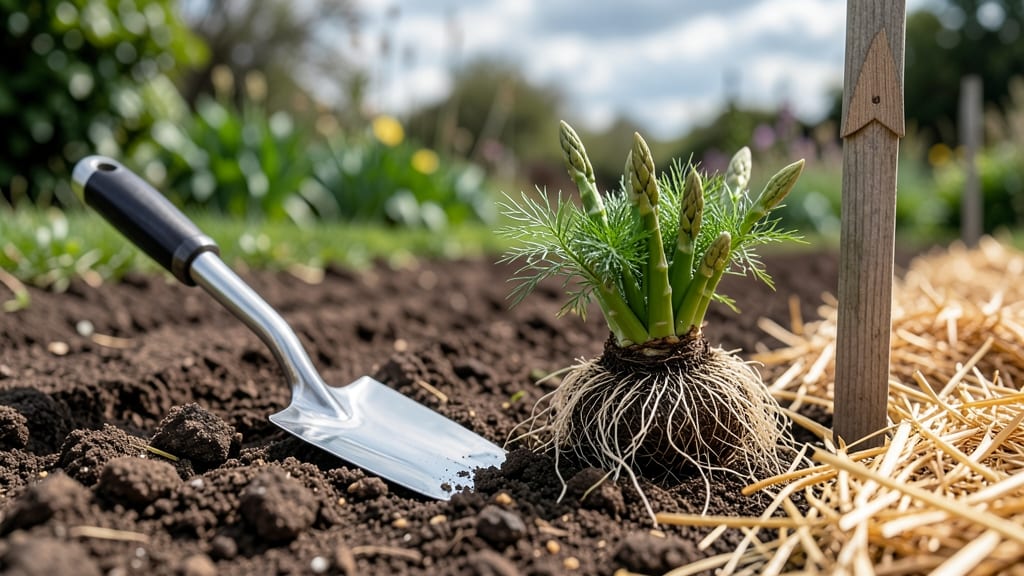
Planting asparagus in Michigan isn’t just about throwing crowns into the dirt—it’s about timing them perfectly to survive the 5b-6b zone’s unpredictable frosts. Miss the window, and your 🌱 asparagus crowns could rot before they even take root, leaving you with years of wasted effort.
The key? Planting between mid-March and early April, when soil temperatures hit 50°F and the last frost threat has passed.
Why does this matter? Because asparagus is a perennial that demands patience—it takes 2-3 years to establish before you’ll see those prized spears. In Michigan’s short growing season, every day counts.
I’ll show you exactly how to prepare your soil, protect young plants from late frosts, and set up your asparagus for a bountiful harvest in May and June.
Most Michigan gardeners swear by planting 1-year-old crowns in trenches, not seeds, for faster results. But even with the right method, one wrong move can mean failure.
Whether you’re a first-timer or a seasoned gardener, these zone-specific tips will help you avoid common pitfalls—like planting too deep or too shallow—and ensure your asparagus thrives year after year.
Ready to grow your own? Let’s break down the exact steps—from soil prep to frost protection—to give your asparagus the best possible start in Michigan’s climate. Your future harvest depends on it!
Michigan asparagus planting months by hardiness zone (USDA 4-6)
Michigan’s USDA hardiness zones 4-6 create a 4-6 week window for planting asparagus crowns, with March-April being ideal. Unlike annuals, asparagus needs 2-3 years to establish before harvest, so timing is critical for root development before winter.
Southern Michigan (zone 6) gets a slightly longer window than northern areas (zone 4), but all regions must avoid planting when soil temperatures drop below 40°F.
Most Michigan gardeners plant 1-year-old asparagus crowns rather than seeds, since seeds take 2-3 years longer to produce spears. Crowns should be planted when soil is workable but not frozen, typically 2-4 weeks before last frost.
For Detroit (zone 6a), this means late March to early April; for Traverse City (zone 5b), aim for mid-April.
Soil temperature is more important than calendar dates. Use a soil thermometer to confirm temperatures are consistently above 40°F at a 4-inch depth. Cold soil slows root establishment, making young plants vulnerable to winter dieback.
In colder northern Michigan (zone 4), wait until late April to ensure zero frost risk during the first 2-3 weeks after planting.
Michigan’s last frost dates vary dramatically by region:
- Detroit (zone 6a): April 15
- Grand Rapids (zone 5b): May 1
- Traverse City (zone 5b): May 10
- Marquette (zone 5a): May 20
| Region | USDA Zone | Last Frost | Ideal Planting Window | Soil Temp Threshold |
|---|---|---|---|---|
| Detroit | 6a | April 15 | Late March - Early April | 40°F+ |
| Grand Rapids | 5b | May 1 | Mid-April | 40°F+ |
| Traverse City | 5b | May 10 | Late April | 40°F+ |
| Marquette | 5a | May 20 | Late April - Early May | 45°F+ |
⚠️ Critical: Planting too early risks frost damage; too late delays root establishment.
For fall planting (less common but possible in zone 6), aim for late August to early September when soil is still warm but before first frost.
Fall-planted crowns need 6-8 weeks to establish roots before winter, so only attempt this in southern Michigan where first frosts arrive after October 1. Northern zones lack sufficient growing days for fall success.
Michigan’s short growing season means asparagus crowns must establish deep roots before winter. Planting in well-drained, sandy loam soil with a pH of 6.5-7.5 ensures optimal growth. Amend heavy clay soils with compost or sand to prevent waterlogging, which can rot crowns.
A 2-3 inch layer of mulch after planting helps retain moisture and regulate soil temperature.
If you miss the spring window, container growing is an option for zone 5-6 areas. Start crowns in 5-gallon pots indoors in February, then transplant outdoors after last frost. However, container-grown asparagus produces smaller yields and requires annual division to prevent overcrowding.
Pro tip: Mark your planting date on a garden journal to track when roots establish. Asparagus won’t produce spears until year 3, so patience is key. The first year focuses on foliage growth to build energy for future harvests.
For extra insurance, plant crowns in trenches—dig a 6-inch deep trench, lay crowns horizontally, then cover with 4-6 inches of soil. This mimics natural growth patterns and protects roots
Step-by-step asparagus planting guide for Michigan’s short growing season
Michigan’s short growing season means asparagus crowns need to establish roots quickly. Start by selecting a south-facing bed with well-draining soil—critical for preventing crown rot. Test your soil’s pH; asparagus thrives in 6.5-7.5 range.
If your soil is heavy clay, amend with 2-3 inches of compost or aged manure before planting.
For 1-year-old crowns (the best option for Michigan), dig trenches 6-8 inches deep and 12-18 inches apart. This depth mimics asparagus’s natural growth habit and protects crowns from frost heave. Space rows 3 feet apart to allow for future fern growth and easy harvesting.
- Soak crowns in water for 1 hour before planting to encourage root growth.
- Place crowns in trenches with roots facing downward, spaced 12-18 inches apart.
- Cover with 4-6 inches of soil, leaving crowns slightly exposed.
- Water deeply to settle soil and remove air pockets around roots.
- Apply 4-6 inches of straw mulch around plants to retain moisture and suppress weeds.
- Use frost blankets or row covers if planting in late April when nighttime temps dip below 32°F.
- Avoid heavy mulch until second year—too much can smother young crowns.
Water newly planted crowns deeply 2-3 times per week for the first month, ensuring soil stays moist but not soggy. Asparagus roots are shallow, so focus on keeping the top 6 inches of soil consistently damp.
Michigan’s spring rains can make overwatering tempting, but waterlogging kills crowns faster than drought.
After planting, mark your asparagus bed with stakes or flags—Michigan gardeners often forget where they planted perennials! Avoid harvesting spears in the first year; instead, let foliage grow to 3-4 feet tall to build root reserves.
In year 2, harvest only 10-20% of spears to encourage robust growth.
If you’re planting seeds (less common but possible), start them indoors 8-10 weeks before your last frost date (typically mid-March for southern Michigan). Transplant seedlings outdoors in early May after soil warms to 50°F, but expect 3-4 years until harvest—longer than crowns.
Pro tip: Add bone meal or phosphorus-rich fertilizer at planting to boost root development. Michigan’s cool, wet springs can delay growth, so give your asparagus a head start with a balanced 5-10-10 fertilizer in early spring of year 2.