
Plants
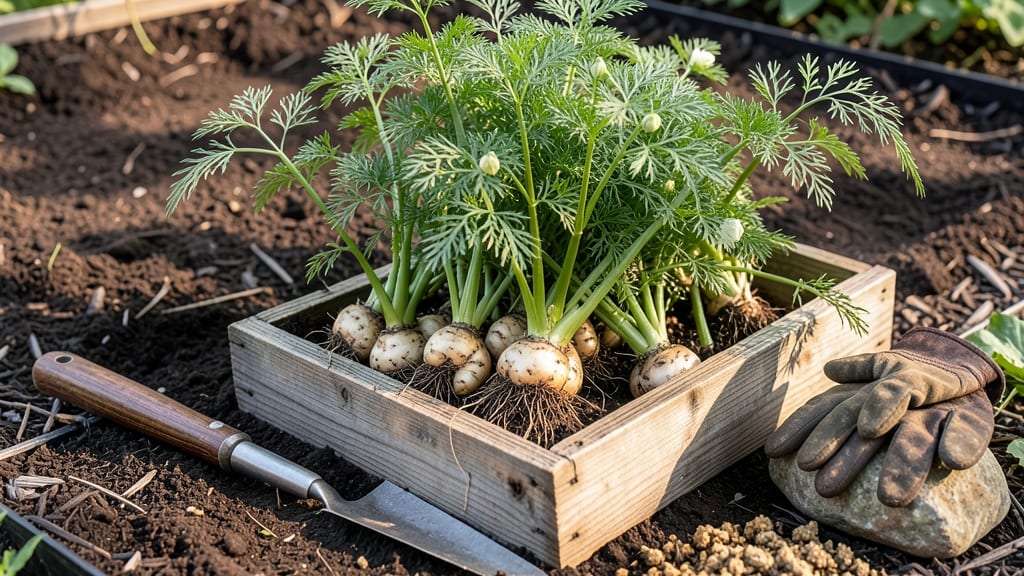
Timing your asparagus planting in North Texas can make or break your harvest—get it right, and you'll enjoy fresh spears for years; get it wrong, and you might as well toss those crowns in the compost.
The late February to early March window is your sweet spot, when soil temperatures rise enough to support root growth without risking frost damage to tender shoots.
Why does this matter? Asparagus is a perennial that needs patience—it won’t produce spears until its third year, so planting at the wrong time means wasted effort and delayed rewards. In USDA Zone 8a, where last frosts linger around mid-February, rushing the process can leave your plants struggling.
But don’t fret: with the right prep, you can give your asparagus the head start it needs to thrive.
Here’s the game-changer: planting crowns (not seeds) is the best approach for North Texas gardeners. They establish faster and handle our unpredictable spring weather better.
We’ll cover how to prep your soil, choose the right varieties, and protect your plants from late frosts—so you can enjoy that first harvest in March or April of your third growing season.
Whether you’re a first-time gardener or a seasoned pro, mastering this timing will turn your backyard into a spear-producing powerhouse. Let’s break down the steps to ensure your asparagus 🌱 grows strong, survives Texas’ quirks, and rewards you with years of harvests.
North Texas asparagus planting calendar: month-by-month frost survival guide
Timing your asparagus planting in North Texas is all about beating the last frost date (typically February 15) while avoiding the scorching summer heat.
The ideal window is late February to early March, when soil temperatures hover between 50°F and 60°F—perfect for root establishment before the growing season kicks in.
For those who prefer a fall planting strategy, September to early October offers a second chance, especially in Zone 8a/8b. This timing lets crowns establish roots before winter dormancy, giving you a head start for year-three harvests.
However, fall planting requires extra mulch protection to shield crowns from late-season frosts.
North Texas isn’t one-size-fits-all—microclimates matter! Cities like Dallas (Zone 8a) experience earlier last frosts (mid-February) compared to Lubbock (Zone 7b), where frosts linger until March 1. Waco’s clay-heavy soil also drains slower, so adjust planting dates 1–2 weeks later if your garden holds moisture longer.
Pro tip: Use row covers or black plastic mulch to warm soil 2–3 weeks earlier in Zone 8a. This trick lets you plant asparagus crowns in late January if you’re near protected microclimates like south-facing slopes or urban heat islands.
📅 Key Dates to Mark on Your Calendar:
- Last Frost: February 15 (Dallas/Waco) – March 1 (Lubbock)
- Ideal Planting: February 20–March 15 (spring) or September 1–October 10 (fall)
- Soil Temp Goal: 50°F+ (use a soil thermometer to confirm)
- Harvest Window: Year 3 onward (March–May)
🌱 North Texas Asparagus Planting Timeline
| Month | Action | Notes |
|---|---|---|
| January | Prep soil (if using row covers) | Warm soil with black plastic |
| February | Plant crowns (late Feb–early March) | Soil temp ≥50°F; mulch heavily |
| March | Fertilize (high phosphorus) | No harvest until year 3 |
| September | Fall planting (Zone 8a only) | Use thick mulch for frost protection |
| October | Add winter mulch | Prevents freeze-thaw damage |
✅ Best Months: February, March (Spring) | September (Fall)
If you’re new to asparagus cultivation, focus on crowns over seeds—they’re faster (harvest in 2–3 years vs. 3–4 years for seeds) and more reliable in Texas’ unpredictable climate. Choose 1-year-old crowns for the best balance of root development and spear production.
After planting, water deeply (1–2 inches per week) but avoid soggy soil—asparagus hates waterlogged roots. In Zone 8a’s heat, switch to drip irrigation to keep foliage dry and prevent rust disease. Mulch with straw or wood chips to retain moisture and regulate soil temps.
Remember: Patience is key! Asparagus crowns take 2–3 years to establish before producing spears. But once they’re mature, they’ll reward you with harvests for 15–20 years—making precise planting timing the best long-term investment for your North Texas garden. 🌱
How to prepare North Texas soil for asparagus: pH, drainage, and frost-resistant techniques
North Texas soil can be a double-edged sword for asparagus—rich in nutrients but often clay-heavy and prone to poor drainage. Before planting, I test my soil's pH level (aim for 6.5–7.5) using a simple kit from the garden center.
Asparagus thrives in slightly acidic to neutral soil, and Texas clay often skews alkaline, which can stunt growth.
To improve drainage, I mix in compost or aged manure (2–3 inches) into the top 12 inches of soil. For heavy clay, consider raised beds—they warm up faster in spring and prevent waterlogging.
I also add a 50/50 mix of sand and compost to break up compacted soil and encourage root development.
Avoid fresh manure—it can burn roots and attract pests. Use composted organic matter instead. Also, never plant in low spots where water pools after rain, as asparagus hates soggy roots.
Once the soil is amended, I create mounds or trenches (6–8 inches deep) to plant asparagus crowns. This elevation helps prevent frost damage in late winter and improves drainage.
I cover the bed with 2–3 inches of mulch (straw or wood chips) after planting to insulate roots during unpredictable North Texas freezes.
For extra frost protection, I use row covers or even a lightweight tarp on crowns when temperatures dip below 20°F. This simple trick has saved my asparagus from winter dieback in years when early freezes sneak in. Always remove covers during the day to avoid heat stress.
After planting, I monitor soil moisture closely—consistent watering (1–1.5 inches per week) is key, especially during Texas’s dry springs. Drip irrigation works best to keep the soil evenly moist without wetting the foliage, which can lead to fungal diseases like rust.
By the time harvest season rolls around (year 3), my asparagus beds are well-aerated, nutrient-rich, and ready to produce tender spears for decades. The upfront soil prep pays off in bigger yields and fewer pests—worth every extra step!