
Flowers
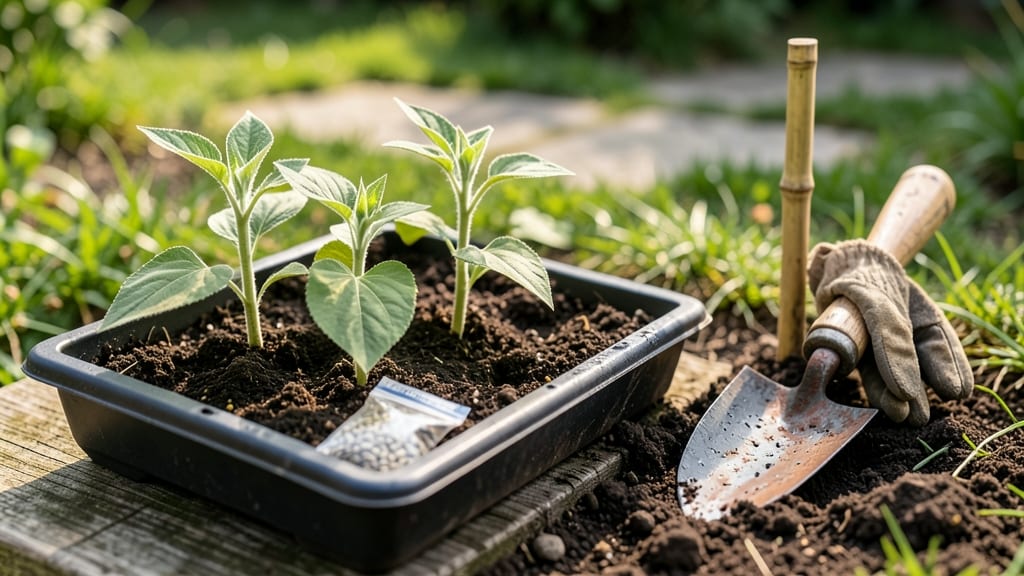
If you're dreaming of sunflower 🌻 stalks that tower over your Ohio fence—reaching heights of 10 feet or more—then timing your planting is the single most important step.
Get it wrong, and you'll end up with weak stems or flowers that never fully open, no matter how much love you pour into them.
Ohio's USDA Zone 6a climate means you've got a narrow window to plant sunflowers for maximum growth, and missing it could mean the difference between a showstopping garden centerpiece and a disappointing shrub.
I've grown sunflowers in Ohio for years, and I'll share exactly when to plant—plus the pro tips that help them reach their full potential, even with our shorter summer days.
Most gardeners in Ohio plant their sunflower seeds between mid-April and mid-May, but the exact timing depends on your last frost date and whether you're growing giant varieties or shorter types.
Whether you're in Columbus, Cincinnati, or Cleveland, I'll break down the best weeks to plant for taller blooms and how to adjust for Ohio's microclimates—because urban heat islands and rural wind patterns can make a big difference.
Ready to grow sunflowers that dwarf your neighbors' gardens? Let's dive into the science-backed planting schedule, soil prep secrets, and watering tricks that'll help your sunflowers thrive from seed to 14-foot stalks—all while working with Ohio's unpredictable spring weather.
Ohio sunflower planting schedule by last frost date: exact weeks for peak growth
Ohio’s variable climate means sunflower planting times can shift by 2-3 weeks depending on whether you’re in Columbus, Cincinnati, or Cleveland. The key is planting after your average last frost date—typically mid-April to mid-May—but with adjustments for microclimates and sunflower varieties.
Giant varieties like Mammoth Russian need extra warmth, while dwarf varieties like Teddy Bear can tolerate cooler soils.
Most of Ohio falls under USDA Zones 5b-7a, with last frost dates ranging from April 1-15. For tall sunflowers (8+ feet), aim to plant 2-3 weeks after your local last frost to ensure strong root development before summer heat arrives.
Dwarf varieties can handle slightly earlier planting, as they mature faster and tolerate cooler temperatures better.
Pro Tip: Check your local Almanac’s frost data or use the Old Farmer’s Almanac app to pinpoint your exact last frost date. In northern Ohio (Cleveland/Akron), wait until May 1, while southern Ohio (Cincinnati/Columbus) can plant as early as April 15. This timing ensures your sunflowers avoid frost damage while maximizing their 60-120 day growing season.
| Region | Last Frost Date | Best Planting Window | Giant Varieties | Dwarf Varieties |
|---|---|---|---|---|
| Northern Ohio (Cleveland, Akron) | April 25-May 10 | May 15-June 1 | Wait until May 15 | April 20-May 10 |
| Central Ohio (Columbus) | April 15-25 | April 30-May 15 | May 1-May 15 | April 15-April 30 |
| Southern Ohio (Cincinnati) | April 5-15 | April 15-May 1 | April 20-April 30 | April 1-April 15 |
| All Regions (Container Gardening) | N/A (Soil temp ≥50°F) | May 1-June 1 | Wait until soil warms | April 20-May 1 |
For giant sunflowers, prioritize planting in early May to give roots time to establish before Ohio’s hot, humid summers. These varieties need 100+ frost-free days to reach their full 10-14 foot potential.
If you’re in northern Ohio, consider starting seeds indoors in late March and transplanting after frost. Use black plastic mulch to warm soil faster and extend your planting window by 1-2 weeks.
Ohio’s short growing season means timing is critical. Planting too early risks frost damage to young seedlings, while planting too late can result in stunted growth before the first frost in mid-October. Aim for a 60-90 day harvest window by choosing varieties that mature in 50-120 days.
For example, Autumn Beauty (90 days) is ideal for northern Ohio, while ProCut (60 days) works for southern Ohio’s shorter season.
Soil temperature is just as important as air temperature. Sunflower seeds need soil that’s at least 50°F to germinate.
In Ohio, this typically aligns with mid-April to early May, but you can check with a soil thermometer or wait until dandelions bloom—a natural indicator that soil is warm enough.
If you’re in a cool microclimate, like near a lake or in a shaded urban area, delay planting by 1-2 weeks to avoid soggy, cold soil.
How to adjust planting for Ohio’s microclimates: urban vs. rural sunflower success
Ohio’s diverse landscapes—from urban heat islands in Columbus to cool mountain valleys in the Appalachians—create microclimates that shift sunflower planting windows by weeks or even months. If you’ve ever planted seeds in your backyard only to watch them struggle while a neighbor’s thrives, microclimates are likely the culprit.
Let’s break down how to adjust planting times for your specific Ohio growing zone.
In cities like Cincinnati or Cleveland, concrete and buildings trap heat, warming soil 2-3 weeks earlier than rural areas. This means you can safely plant sunflower seeds 2-3 weeks before the official last frost date.
Meanwhile, in northern Ohio’s cooler zones (like Ashtabula), soil may stay cold longer, requiring a delayed planting window of late May.
Urban gardeners also face wind exposure challenges—tall buildings can create turbulence that weakens sunflower stems. To combat this, plant dwarf varieties (1-3 ft tall) like ‘Teddy Bear’ or ‘Moulin Rouge’ closer to windbreaks, while tall varieties (8-14 ft) like ‘Russian Giant’ need staking or deeper soil for stability.
Container gardening opens doors for urban sunflower growers—even if you lack a yard. Use 5-gallon pots with well-draining soil and plant seeds 1 inch deep after the last frost. Place containers in south-facing spots to maximize sunlight, and water daily during dry spells since pots dry out faster.
Varieties like ‘Autumn Beauty’ thrive in containers and add vibrant color to small spaces.
For rural Ohioans, focus on soil preparation—amend clay-heavy soils with compost to improve drainage, and choose early-maturing varieties like ‘ProCut’ (50-55 days to harvest) to beat Ohio’s early fall frosts. If your area has late spring frosts, use row covers or wait until mid-May for planting.
Pro tip: Test your microclimate by planting a test row of sunflowers 2 weeks before your usual date. If they sprout and grow 3+ inches before the last frost, you’re safe to plant your main crop earlier. This simple trick saves time and ensures bigger blooms all season.