
Flowers
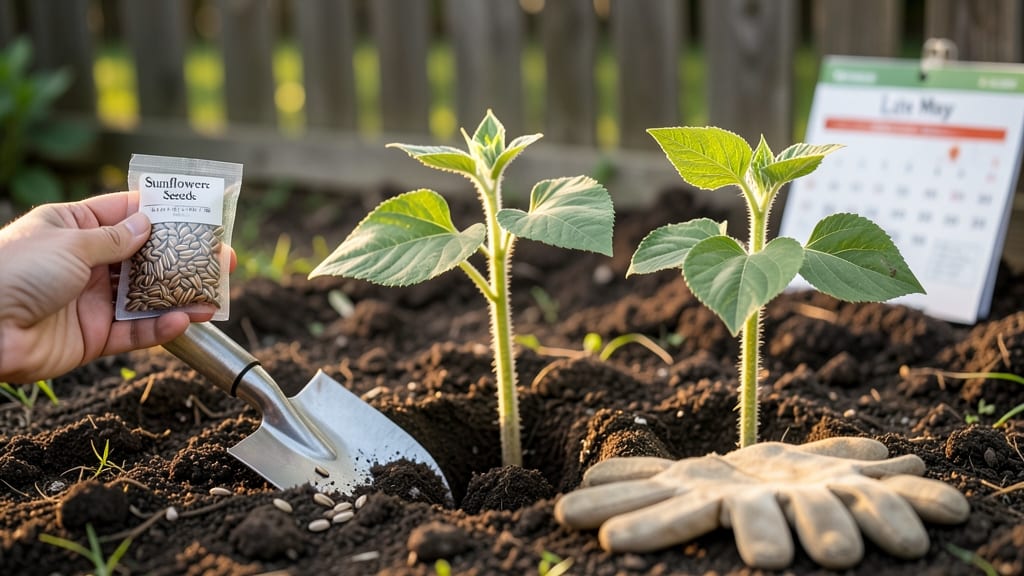
If you're dreaming of towering sunflowers 🌻 that turn heads in your Missouri garden, timing your planting is the secret weapon you can't afford to miss.
The difference between 4-foot stems and 12-foot giants often comes down to when you put those seeds in the ground—especially in Missouri's Zone 5b-7a climate.
Most gardeners in Missouri wait until mid-April to mid-June, but that window can shift based on your exact location and last frost date. Plant too early, and you risk frost damage; too late, and your sunflowers might bolt before reaching their full potential.
The key is understanding your local microclimate and soil temperatures, which I'll break down for you.
What you're about to discover isn't just about dates—it's about giving your sunflowers the perfect head start. We'll cover everything from soil preparation to adjusting for Missouri's unpredictable weather patterns, so you can grow the healthiest, tallest sunflowers your neighborhood has ever seen.
Whether you're a first-time gardener or a seasoned pro, these insights will help you avoid common mistakes and maximize your sunflower's growth potential. Let's get those seeds in the ground at exactly the right time for showstopping blooms from July through October.
Best planting dates for sunflowers in Missouri’s Zone 5-6: a month-by-month guide
Missouri’s Zone 5-6 climate means sunflowers thrive when planted at the right time—typically after the last frost date, which usually falls around April 15. But don’t wait too long! Giant varieties like 'Mammoth Russian' need a long growing season, while dwarf types like 'Teddy Bear' are more flexible.
Let’s break down the best planting windows for each month to maximize your sunflower’s potential.
For direct sowing (planting seeds outdoors), aim for mid-April to mid-June. This gives sunflowers enough time to mature before Missouri’s first frost, typically around October 15. If you’re starting seeds indoors, begin 4-6 weeks before your target outdoor planting date—usually late March to early April.
This head start helps cold-sensitive varieties like 'Autumn Beauty' reach their full height.
Soil temperature is critical: sunflower seeds need soil temps of at least 50°F to germinate. In Missouri, this usually aligns with late April to early May. Use a soil thermometer to confirm—cold soil can delay germination by weeks.
If your soil is still chilly, consider using black plastic mulch to warm it faster. This trick works especially well for northern Missouri gardeners in Zone 5.
Here’s a quick reference for Missouri’s planting timeline by month:
| Month | Best Planting Window | Soil Temp Requirement | Notes |
|---|---|---|---|
| March | Indoors (4-6 weeks before last frost) | N/A (indoor seed starting) | Use grow lights for 14-16 hours/day |
| April | Mid-April to late April (after last frost) | 50°F+ | Best for giant varieties; use mulch to warm soil |
| May | Early to mid-May (ideal for all varieties) | 55°F+ | Peak time for tallest blooms; plant deep (1 inch) |
| June | Early June (for dwarf or late-blooming types) | 60°F+ | Risk of bolting; choose heat-tolerant varieties |
| July | Not recommended (too late for most varieties) | N/A | May produce small blooms before frost |
Missouri’s northern vs. southern regions have slightly different frost dates. In northern Missouri (Zone 5), wait until May 1 to plant giant varieties, while southern Missouri (Zone 6) gardeners can start as early as April 1.
Always check your local USDA Plant Hardiness Zone map for precise dates. For example, St. Louis (Zone 6b) can plant earlier than Kansas City (Zone 5b).
If you’re growing sunflowers for seeds or bird feed, prioritize late May to early June planting. These varieties need more time to mature before frost. For cut flowers, earlier plantings in April or May ensure blooms are ready by July 4th—perfect for summer displays.
Pro tip: Succession plant every 2 weeks in May to extend your bloom time through September.
One common mistake Missouri gardeners make is planting too late for giant sunflowers. If you miss the mid-June cutoff, your 'Russian Giant' may not reach its 12-foot potential before frost.
Instead, opt for faster-maturing varieties like 'ProCut' (50 days to harvest) if you’re planting in late June. Always check the days to maturity on your seed packet to avoid disappointment.
For container gardening, plant sunflowers in early May to give them enough time to establish roots. Use large pots (12+ inches deep) with well-draining soil and place them in full sun.
Container-grown sunflowers may not grow as tall as in-ground plants, but they’re perfect for patio gardens or small spaces. Just remember: dwarf varieties like 'Little Becka' (2-3 feet tall) are ideal for pots.
Finally, don’t overlook fall planting for sunflowers! In southern Missouri (Zone 6),
How to adjust sunflower planting for Missouri’s unpredictable weather patterns
Missouri’s weather can be as unpredictable as a summer storm—one day it’s 70°F and sunny, the next it’s a 30°F frost. To ensure your sunflowers thrive despite these swings, I’ve learned to adjust planting strategies based on regional microclimates and historical frost dates.
Northern Missouri (like St. Joseph) often faces later last frosts, while southern areas (like Springfield) can plant earlier.
For extra insurance, I plant cold-hardy varieties like 'Autumn Beauty' or 'Moulin Rouge'—they tolerate 40°F soil temps better than giant varieties. These tough little seeds can even handle a light frost after germination, giving you a 2-week buffer if spring delays arrive.
Always check your local Cooperative Extension Service for updated frost dates, as they vary yearly.
Here’s my backup planting plan for Missouri gardeners: If your area hasn’t warmed by mid-May, opt for a late May to early June planting. Sunflowers are fast growers—some varieties mature in just 60 days, so you can still enjoy blooms by late summer.
Just be prepared to mulch heavily to protect young seedlings from late frosts.
Don’t be fooled by unseasonably warm spells in March or early April. These can trick sunflower seeds into germinating, only to be killed by a returning frost. Wait until the soil stays above 50°F for at least 5 consecutive days before planting.
Drought is another Missouri challenge. Sunflowers are drought-tolerant once established, but seedlings need consistent moisture. I’ve found that drip irrigation or soaker hoses work best—watering at the base keeps soil evenly moist without wetting the foliage (which can cause fungal issues).
If a drought hits, prioritize watering newly planted seeds and young seedlings over mature plants.
For heatwaves, shade cloth can protect young plants from wilting. I use 30% shade cloth during 90°F+ days to reduce stress while still allowing sunlight. Once plants reach 12 inches tall, they can handle full sun.
If you’re in southern Missouri, consider fall planting—seeds sown in late August can germinate and grow before the first frost, giving you winter-hardy stems for next year.
Finally, keep an eye on pests like sunflower moths or squirrels that love the seeds. I’ve had success with row covers for young plants and bird netting once flowers appear. With these adjustments, even Missouri’s unpredictable weather won’t stop your sunflowers from reaching their full 12-foot potential.