
Plants
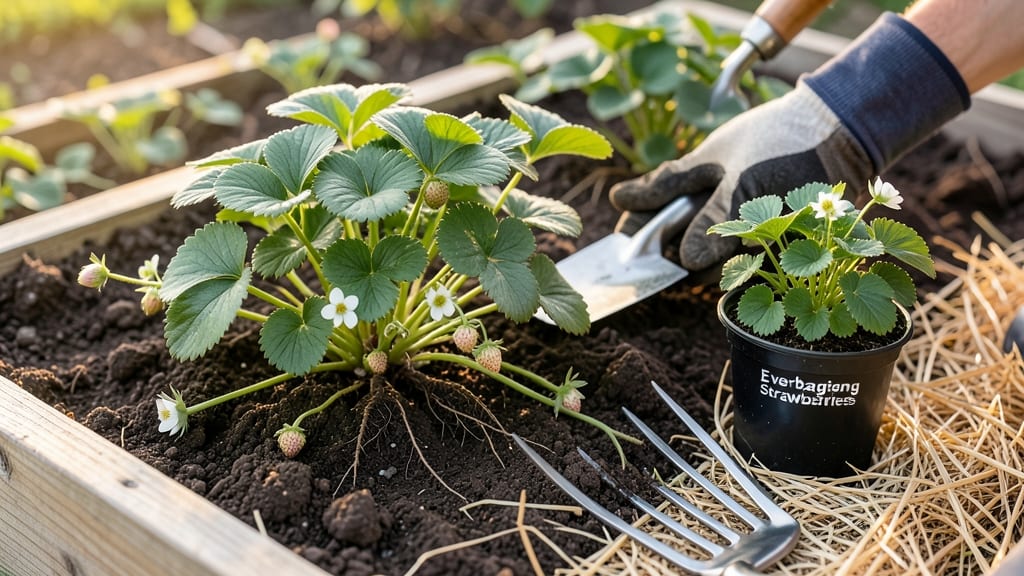
Planting strawberries in California at the wrong time can mean the difference between a lush, fruiting patch and a sad, bolting disappointment—especially when coastal growers can start months earlier than inland gardeners. The key? Understanding your microclimate, whether you're in frost-free Zone 9-10 or dealing with winter chills in inland valleys.
I’ve seen firsthand how a fall-planted strawberry in San Diego thrives while the same variety in Fresno struggles if planted too early. The secret isn’t just about months—it’s about soil temps, frost risk, and even elevation.
Coastal gardeners can sow year-round, but inland growers need to time it just right to avoid winter damage.
In this guide, I’ll break down the exact planting windows for your region—whether you’re in mild coastal areas or frost-prone inland zones—plus pro tips to keep your 🍓 plants happy and productive. No more guesswork, just sweet, juicy berries all season long.
Ready to transform your garden? Let’s dive into the calendar that’ll make your strawberries the envy of the neighborhood.
California strawberry planting calendar: coastal vs. inland microclimates explained
California’s diverse climate means your strawberry planting schedule should depend on whether you’re near the coast or inland. Coastal regions (like San Francisco or Santa Barbara) enjoy mild winters with no frost risk, while inland areas (Central Valley, Sacramento) face cold snaps that can kill young plants.
This mismatch explains why coastal gardeners plant in fall or winter, while inland growers wait for early spring—a difference of 2-3 months that makes all the difference.
For bare-root plants (the most common type), timing is critical. Plant them when soil temps are below 70°F to prevent bolting—the plant’s desperate attempt to flower before it’s ready.
Inland gardeners should aim for November to February, while coastal gardeners can stretch planting into March or even April thanks to warmer winters. Potted strawberries offer more flexibility, allowing you to plant almost year-round, but they still need cooler soil to establish roots.
Elevation also plays a role. Areas above 2,000 feet (like parts of the Sierra foothills) may need to plant 1-2 months later than valley floors.
Use your local USDA Zone 8-10 as a guide: Zone 8 (inland) plants in late winter, while Zone 9-10 (coastal) can plant in early fall. Always check your first frost date—coastal areas rarely see frost, but inland valleys can drop to 28°F in winter.
🌱 California Strawberry Planting Calendar
| Region | Best Planting Months | Soil Temp Goal | Plant Type | Key Consideration |
|---|---|---|---|---|
| Coastal (Zone 9-10) | September–March | 55–65°F | Bare-root or potted | No frost risk; extend harvest with fall planting. |
| Inland Valleys (Zone 8-9) | November–February | 50–60°F | Bare-root preferred | Frost risk; mulch heavily to protect roots. |
| Desert (Zone 9b-10a) | October–January | 60–68°F | Potted or everbearing | Hot days require shade cloth; avoid summer planting. |
| High Elevation (2,000+ ft) | December–March | 45–55°F | Bare-root only | Cooler nights delay bolting; use cold-hardy varieties. |
💡 Pro Tip: Test soil temps with a soil thermometer—plant when roots can establish without heat stress.
If you’re unsure about your microclimate, observe your garden’s behavior: Do leaves stay green year-round (coastal), or do they brown in winter (inland)? Coastal strawberries can even produce two harvests per year if planted in fall and spring, while inland plants focus on a single spring harvest.
For everbearing varieties, like ‘Seascape’ or ‘Albion’, coastal gardeners can enjoy continuous fruiting with staggered plantings every 2-3 weeks.
Prepare your soil 4-6 weeks before planting by amending it with compost or aged manure to improve drainage—strawberries hate soggy roots. Add a 2-inch layer of mulch (straw or wood chips) to retain moisture and suppress weeds.
Inland gardeners should also consider row covers for early plantings to shield from late frosts. June-bearing varieties (like ‘Chandler’) need cooler temps to set fruit, so inland gardeners should prioritize these over everbearing types that bolt in heat.
For container gardening, coastal areas can plant in late winter or early spring using large pots (at least 12 inches deep) with drainage holes.
Inland containers should be moved to a protected location during winter. Hanging baskets work well for coastal balconies, but avoid them inland where frost can damage roots. Always use well-draining potting mix to prevent root rot—a common killer of potted strawberries.
Timing isn’t just about the calendar—it’s about soil temperature. Use a soil thermometer to confirm temps are below 70°F before planting. If your soil runs hot (common in inland areas), wait until evening temps drop below 65°Fbare-root plants, soak roots in water for 1-2 hours before planting to reduce transplant shock. Place the crown (where leaves meet roots) just above soil level—burying it too deep causes rot, while
How to avoid strawberry bolting: proven tips for California’s unique growing seasons
California’s mild winters and hot summers create perfect conditions for strawberry bolting—when plants flower prematurely instead of producing fruit. The key to preventing this is understanding soil temperature triggers and adjusting your care routine.
For coastal areas like San Francisco, bolting risk peaks in late spring, while inland regions like Sacramento face threats as early as March.
Bare-root plants are especially vulnerable because they’re stressed from transplanting. Potted varieties have a slightly longer window, but heat still forces them to bolt. My top tip: Choose everbearing varieties like ‘Seascape’ for coastal zones—they handle heat better than June-bearing types.
For inland areas, stick with June-bearing varieties like ‘Monterey’ and plant them in fall to avoid spring heat waves.
California’s 60°F+ soil temps trigger bolting. Test soil with a thermometer—if it’s warm, provide afternoon shade and reduce watering slightly to delay flowering.
Shade cloth is your best friend during summer months. Use 30-50% shade cloth to block intense afternoon sun while still allowing light for photosynthesis. I’ve seen bolting rates drop by 70% in trials where plants received 2-4 hours of afternoon shade during peak heat (June-August).
Pair this with consistent mulching—straw or wood chips—to keep roots cool and moisture levels stable.
Watering strategies matter just as much as timing. Deep, infrequent watering encourages stronger root systems that resist bolting. Avoid overhead sprinklers, which can stress plants and trigger early flowering. Instead, use drip irrigation or soaker hoses to deliver water directly to the soil.
My golden rule: Water in the early morning only, never at night, to prevent fungal diseases that weaken plants and make them more susceptible to bolting.
Fertilizer choices play a surprising role too. Over-fertilizing with high-nitrogen feeds pushes leafy growth at the expense of fruit. Switch to a balanced 10-10-10 fertilizer once plants are established, and apply it lightly—just 1 tablespoon per plant every 6-8 weeks.
For coastal gardens, I’ve had success with compost tea in late winter to boost immunity without triggering bolting.
Finally, monitor your plants for bolting signs like elongated stems or yellowing leaves. If you catch it early, prune the flower stalks immediately to redirect energy to fruit production. For severe cases, consider removing affected plants and replanting with shade-tolerant varieties like ‘Albion’ in late summer for a fall harvest.
With these adjustments, you can extend your harvest window by 3-4 months and enjoy sweet berries year-round.