Plants
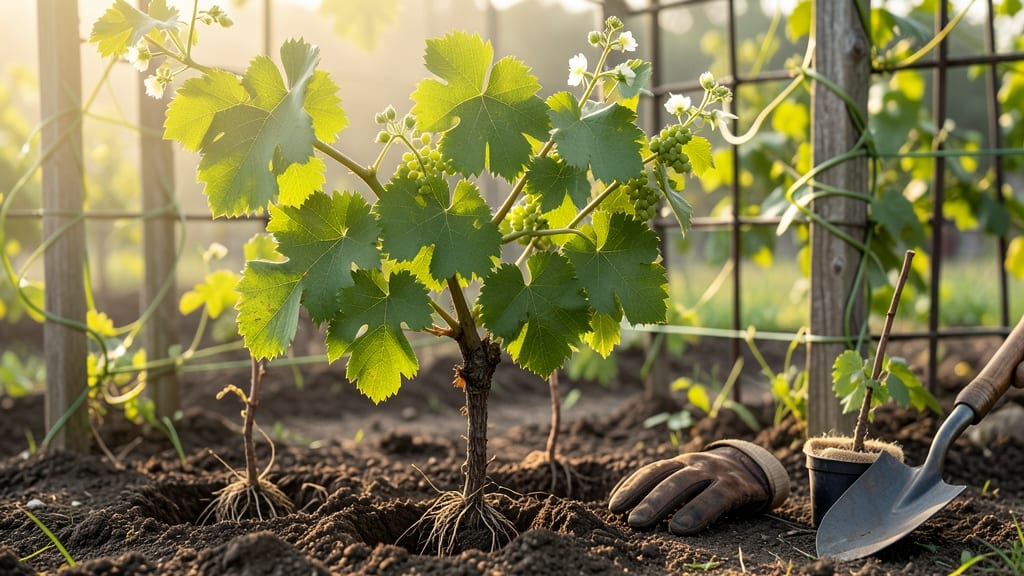
Planting your 🍇 grape vine at the wrong time in California can mean the difference between a thriving harvest and wasted effort. With coastal fog, inland heat, and desert microclimates all playing a role, timing isn't just important—it's everything.
If you're in USDA Zones 8-11, you already know California's climate varies wildly from region to region. That's why I'm breaking down exactly when to plant—whether you're in chilly Sonoma or the scorching Central Valley—so you can avoid frost damage and maximize your vine's growth.
Most gardeners plant in late winter to early spring, but the exact window depends on your microclimate. Coastal areas can start as early as February, while inland valleys wait until March or April to avoid surprise frosts.
I'll show you how to read your local climate cues and pick the perfect moment.
Once you've got the timing down, we'll cover soil prep, site selection, and care tips to ensure your grape vine takes root strong and produces abundant fruit year after year. Let's get those vines in the ground the right way.
Optimal planting windows for California grape vines by region
California’s microclimates create a puzzle for grape growers—what’s perfect in Napa Valley might ruin Central Valley vines. The key? Planting after the last frost but before summer heat stress.
Coastal areas like Sonoma can start as early as late February, while inland zones should wait until March or April to avoid spring frosts. Even desert regions like Palm Springs have their own rhythm, favoring December-January plantings.
Your USDA zone (9b-11) dictates timing, but local frost data is your real guide. Check your average last frost date: coastal areas typically see theirs by January 31, while valleys wait until February 15.
Planting 2-4 weeks after this date gives vines time to establish roots before summer’s intensity. Pro tip: Bare-root vines planted in dormant season (winter) recover faster than container-grown ones in summer.
🌱 California Grape Vine Planting Windows by Region
| Region | Ideal Planting Window | Last Frost Date | Key Consideration |
|---|---|---|---|
| Coastal (Sonoma, Napa) | Late February - March | January 31 | Cool nights, fog risk; plant after buds swell |
| Inland Valleys (Central Valley, San Joaquin) | March - April | February 15 | Hotter days; avoid spring frosts |
| Desert (Palm Springs, Coachella) | December - January | December 31 | Mild winters; plant before summer heat |
For container-grown vines, coastal gardeners can plant year-round thanks to mild winters. But inland areas should stick to fall or early spring to avoid heat stress.
If you’re in Zone 10+, like Riverside or Temecula, you can even plant in late fall—just ensure soil temps stay above 50°F.
Soil temperature is your secret weapon. Use a soil thermometer to confirm it’s 60°F+ before planting. Coastal soils warm slower due to marine influence, while inland areas can overheat by April.
Amend your soil with compost to improve drainage—grape vines hate soggy roots. In clay-heavy valleys, raise beds or plant on mounds to prevent root rot.
Timing also depends on your grape variety. Pinot Noir, a cool-climate darling, thrives when planted in cooler coastal zones by March 15.
Meanwhile, Zinfandel, a heat-loving variety, can wait until April 1 in inland areas. Table grapes like Thompson Seedless often need earlier planting (February) to ripen fully by harvest season.
Watch for bud swell, a sure sign your vines are ready. If buds are plump but not cracked, it’s planting time.
But if they’re green and leafy, you’ve missed the window—wait until next year. Overheated soil (above 85°F) can kill young roots, so mulch heavily with straw or wood chips to keep soil cool. In drought-prone areas, drip irrigation is non-negotiable.
Pro California grape growers swear by rootstock selection to match your region. Coastal plantings often use Riparia rootstock for frost resistance, while inland vines benefit from Rupestris for drought tolerance.
Ask your nursery for region-specific recommendations—it can mean the difference between a bountiful harvest and a failed vine.
Don’t forget trellis installation. Plant vines 3-4 feet from the trellis to allow root spread. Coastal areas can use vertical trellises to maximize space, while inland growers often opt for fan-shaped training to shade fruit from intense sun.
In windy coastal zones, stake young vines to prevent uprooting.
Finally, local weather patterns can override general rules. Check NOAA frost alerts and historical rainfall data for your area. If your region has unpredictable spring rains, delay planting until soil dries out—waterlogged roots are a grape vine’s worst enemy. With the right timing, your California grape vine will reward you with decades of
Signs your grape vine planting timing is perfect (or terrible)
Timing your grape vine planting in California isn’t just about checking a calendar—it’s about reading your microclimate’s signals. The right conditions mean vigorous root growth and minimal stress for your vines, while wrong timing can lead to stunted growth or even death.
Here’s how to tell if you’re planting at the perfect moment—or if you should wait.
First, check your soil temperature. Grape vines thrive when soil is at least 60°F (15°C). Use a soil thermometer to test—if it’s cooler, your vines will struggle to establish roots.
In coastal areas like Sonoma or Santa Barbara, this usually means waiting until late February or early March, while inland valleys like the Central Valley can start as early as late January.
🌱 Key Takeaway: Perfect Planting Conditions
- Soil Temp: 60°F+ (15°C+)
- Bud Swell: Just beginning (not yet open)
- Rainfall: 1-2 weeks of dry forecast
- Frost Risk: Last frost passed (check local averages)
"Plant when buds are plump but not bursting—this means the vine is ready to grow but hasn’t wasted energy on leaves yet."
Watch for bud swell on your grapevine cuttings or nursery plants. When buds begin to plump up but haven’t yet split open, it’s a clear sign the vine is ready to plant.
If buds are already green and leafy, you’ve missed the window—planting too late can stress the vine and reduce next year’s harvest. In desert regions like Palm Springs, this might happen as early as December, while coastal areas often see it in March.
Pay attention to rainfall patterns too. Grape vines hate soggy soil during root establishment, so aim to plant when your forecast shows 1-2 dry weeks. In California’s Mediterranean climate, this usually aligns with late winter to early spring, but sudden storms can throw off your timing.
If heavy rains are forecast, delay planting until the ground dries out—waterlogged soil can suffocate roots and invite fungal diseases like Phytophthora.
Don’t ignore local frost dates, even in warm regions. While coastal areas like Napa Valley rarely see frost after February, inland valleys can experience late frosts well into March.
Use the USDA Plant Hardiness Zone Map as a guide, but always check your local agricultural extension office for the most accurate frost predictions. Planting too early risks frost damage to new growth, which can set your vine back by months.
Finally, trust your garden’s intuition. If your soil feels cold or damp, or if nearby plants are still dormant, your grape vines aren’t ready either.
The best time to plant is when the earth feels warm to the touch, the air is consistently above 50°F (10°C), and your vines look alert but not rushed.
Patience here pays off—waiting an extra week for perfect conditions can mean the difference between a thriving vineyard and a struggling plant.