
Plants
Timing your pumpkin planting in Washington State isn’t just about following a calendar—it’s about reading the soil’s secrets. With fast germination and a full harvest ahead, you’ll want to avoid the common mistakes that leave gardeners scrambling when frost rolls in.
Whether you’re in the cooler Puget Sound region or the drier Eastern WA climate, knowing when to plant makes all the difference. I’ll break down the exact soil temperatures that trigger growth and the best planting windows to ensure your 🌱 pumpkins thrive before the first frost.
From seed-starting indoors to direct sowing outdoors, I’ll cover the strategies that work best for Washington’s unique zones. You’ll learn which varieties grow fastest and how to extend your growing season—so you can enjoy homegrown pumpkins for carving or baking.
Ready to turn your garden into a pumpkin patch? Let’s dive into the fastest way to get your plants off to a strong start this spring.
Best pumpkin planting dates in Washington State by region (Seattle vs. Eastern WA)
Washington State’s diverse climate means your pumpkin planting dates should vary dramatically between Western WA (Seattle/Portland) and Eastern WA (Spokane/Yakima). The Puget Sound region enjoys milder winters and longer growing seasons, while Eastern WA faces earlier frosts and cooler soils.
To avoid slow germination or frost damage, align your planting with local last-frost dates and soil warmth.
For Western Washington, aim to plant pumpkin seeds 2–3 weeks after your last frost date, typically between late May and early June.
In Seattle’s USDA Zone 8, soil temperatures often hit the ideal 60–65°F range by early May, but waiting ensures faster germination. Eastern Washington, however, has a shorter window—plant seeds mid-to-late May in Spokane (Zone 6–7) or early June in cooler Yakima Valley areas.
Here’s the key rule: Pumpkins need 75–100 frost-free days to mature. In Western WA, this gives you until October for harvests, while Eastern WA growers must rush to finish by early September. Choose fast-maturing varieties (like ‘Jack Be Little’) if you’re in Zone 6 or cooler.
If you’re unsure about your last-frost date, check your local Cooperative Extension Service (e.g., WSU Extension) or use a frost calendar app.
For Seattle gardeners, aim for May 20–June 1; in Spokane, shift to May 15–25. Black plastic mulch can warm soil by 5–10°F, extending your planting window by 1–2 weeks in cooler areas.
For direct sowing (planting seeds outdoors), wait until soil is at least 60°F—colder temps cause rotten seeds or poor germination.
In Western WA, this often aligns with early June, while Eastern WA may need to wait until late June. Transplanting seedlings (started indoors) can shave 10–14 days off your timeline, but harden them off first to avoid transplant shock.
Pro tip: Mark your calendar for July 4th weekend—this is the sweet spot for planting in most of Western WA. By then, soil is reliably warm, and you’ll have 120+ days to harvest before first frost.
In Eastern WA, push it to June 20–July 1 to maximize your growing window.
Remember, pumpkins are heat-lovers—they thrive in 75–90°F days. If your summer cools down early (common in higher elevations like Leavenworth), opt for smaller varieties like ‘Sugar Pie’ or ‘Cinderella’ to ensure maturity.
Finally, track your progress with a garden journal. Note when seeds sprout, vines spread, and flowers appear—this helps you adjust next year’s planting for perfect timing. With the right dates, you’ll go from seed to jack-o’-lantern in no time! 🎃
Soil temperature secrets for fast pumpkin germination in WA’s climate
Pumpkin seeds need warm soil to germinate quickly—typically between 60–90°F. In Washington State, where cool springs delay planting, soil warmth becomes your biggest ally. Without proper warmth, seeds may rot or take weeks to sprout, shortening your harvest window.
I’ve learned the hard way that rushing planting without checking soil temps often leads to disappointment.
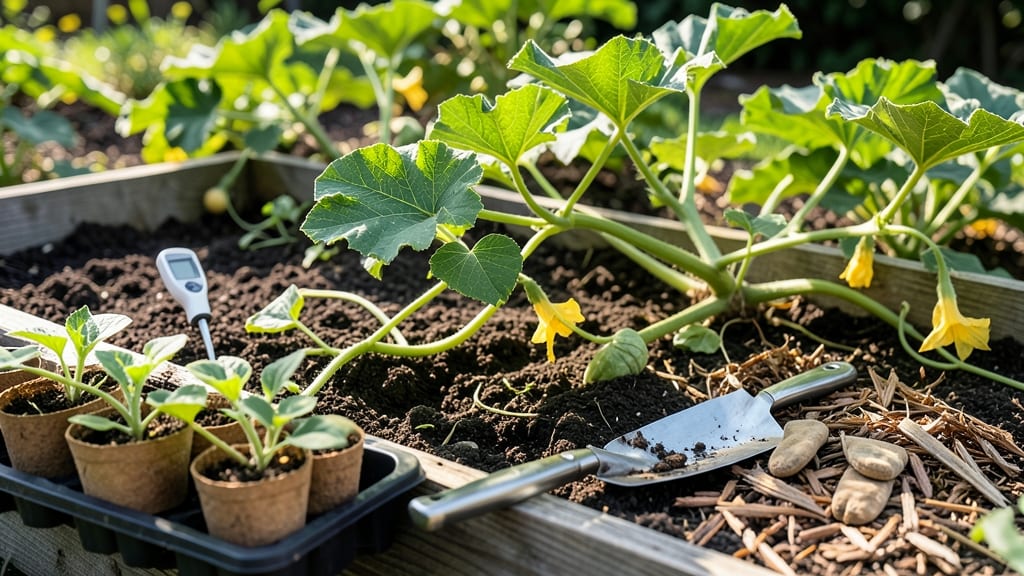
Use a soil thermometer to monitor warmth before planting. Stick it 2 inches deep—this is where seeds will be. In Western WA (Seattle/Portland), soil hits ideal temps by late May to early June, while Eastern WA (Spokane/Yakima) may wait until mid-to-late June due to higher elevations.
Pro tip: Black plastic mulch can raise soil temps by 5–10°F in just days.
Pumpkin seeds planted in soil below 60°F risk rot or slow germination. In WA’s Zone 7–8, this often happens before Memorial Day. Use row covers or greenhouses to warm soil faster if needed.
If your soil is still cool, try seedling transplants instead of direct sowing. Start seeds indoors 4–6 weeks before your last frost date (usually mid-April for Western WA, early May for Eastern WA).
Harden off seedlings for 7–10 days before transplanting into warmed soil. I’ve had great success with this method in cooler microclimates like the San Juan Islands.
For extended growing seasons, consider black plastic mulch or straw mulch to retain heat. These methods can push your planting window 2–3 weeks earlier in marginal areas. Just
Finally, avoid planting too early—even with warmed soil. Pumpkins need 75–100 days to mature, and an early start doesn’t guarantee a longer season. Time your planting so vines finish growing before the first frost (typically late September to October in WA). Use a frost calendar for your specific area to calculate backward from the average frost date.
By mastering soil temps, you’ll turn Washington’s unpredictable springs into a pumpkin-growing powerhouse. The key? Patience and preparation—two traits every successful WA gardener shares. 🌱