
Plants
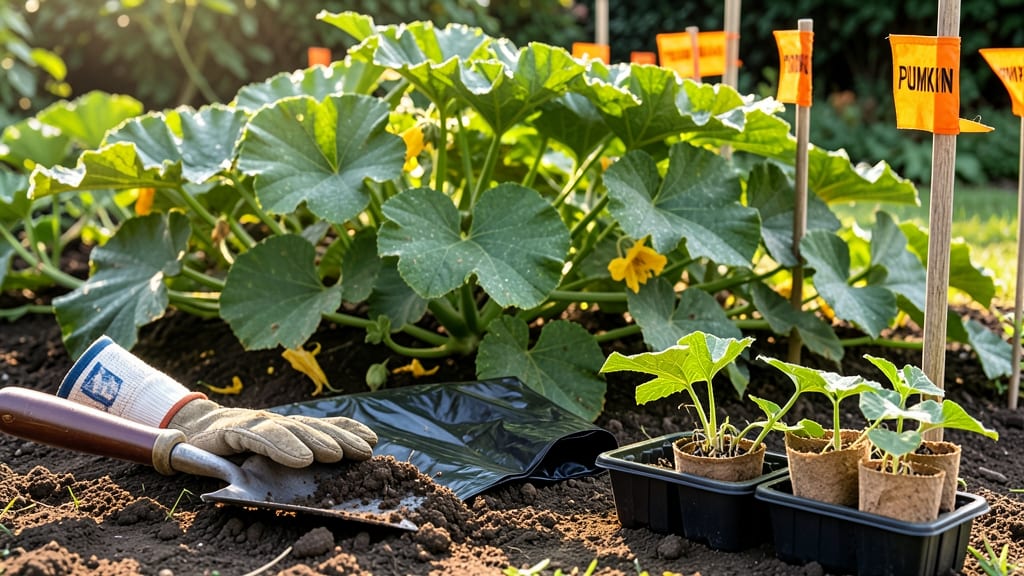
Planting pumpkins in Missouri isn’t just about grabbing seeds and sticking them in the dirt—it’s a timing game that can make or break your harvest. With frost dates shifting unpredictably from 5b to 6b zones, waiting too long means stunted vines, while planting too early risks frost-killed seedlings. The key? Aligning your schedule with soil warmth (60°F+) and local microclimates that can delay or advance frost by weeks.
Missouri’s diverse terrain throws another curveball: urban heat islands, river valleys, and hilltop gardens can all have different last frost dates, sometimes by as much as 2 weeks.
That’s why I’ll break down exactly when to plant—whether you’re in St. Louis’s urban sprawl or the cooler Ozarks—plus how to prep your soil and space those seeds for maximum success. No more guessing games, just data-backed timing for pumpkins that thrive.
You’ll also discover which pumpkin varieties suit Missouri’s short season best (hint: ‘Jack Be Little’ matures in just 75 days!) and how to spot the perfect moment to harvest—when that 🎃 rind turns tough and the stem dries to a crisp.
Ready to turn your garden into a pumpkin patch without the frost-related heartbreak? Let’s get started.
The secret lies in reading your soil, tracking local frost trends, and choosing the right moment to press those seeds into warm earth.
Whether you’re a first-time gardener or a veteran with wilted vines in your past, these tricks will help you plant pumpkins with confidence—so you’re feasting on homegrown sugar-pie pumpkins by October instead of scrambling for store-bought ones.
Missouri pumpkin planting calendar: frost dates & soil temperature secrets
Missouri’s USDA zones 5b-7a mean your pumpkin planting window can shift by 2-3 weeks depending on where you live. Northern Missouri (like St. Joseph) often waits until mid-May, while southern Missouri (like Poplar Bluff) can start as early as late April.
The key? Soil temperature—pumpkin seeds need 60°F+ to germinate, and waiting for this threshold avoids rot and poor germination.
Use a soil thermometer ($10 at garden centers) to check depth—2 inches down is where seeds will be.
If your soil hasn’t warmed by May 1, opt for transplants (start seeds indoors 4-6 weeks before last frost). Missouri’s average last frost date is April 15, but microclimates (like urban heat islands) can push this back by 7-10 days.
Here’s your Missouri pumpkin planting timeline broken down by zone and soil prep:
| Stage | Action | Missouri Zone 5b (North) | Missouri Zone 6a (Central) | Missouri Zone 7a (South) |
|---|---|---|---|---|
| Soil Prep | Test pH & amend | Early April (pH 6.0-6.8) | Mid-March (pH 6.0-6.8) | Late March (pH 6.0-6.8) |
| Planting Window | Direct sow seeds | May 10-20 (soil 60°F+) | April 25-May 10 | April 10-20 |
| Transplant Option | Start indoors | March 15-April 1 | March 1-April 15 | February 15-March 15 |
| Germination Time | Days to sprout | 5-10 days (warm soil) | 5-10 days | 5-10 days |
| Harvest Ready | Days to maturity | 85-100 days | 85-100 days | 85-100 days |
| First Frost Risk | Avoid damage | October 10 (harvest by Sept 20) | October 5 (harvest by Sept 25) | October 20 (harvest by Oct 10) |
Pro tip: If you’re in zone 5b, consider black plastic mulch to warm soil faster—it can shave 10 days off your planting timeline. Southern Missouri growers often plant earlier but watch for late spring frosts (like the 2018 Easter freeze that hit the Bootheel).
Use frost cloth if nights dip below 40°F after planting.
For direct-seeded pumpkins, plant 3-4 seeds per hill, 2-3 feet apart, and thin to the strongest vine when seedlings are 3 inches tall. Transplants should have 3-4 leaves and be hardened off before moving outdoors
Microclimate hacks: how Missouri’s terrain affects pumpkin planting zones
Missouri’s geography creates microclimates that can shift pumpkin planting windows by 2-4 weeks. Urban areas like St. Louis often warm up faster than rural zones, while river valleys (like the Missouri River bottoms) hold frost longer.
Elevation also plays a role—higher areas near the Ozarks may need a later start than flatter regions.
For example, northern Missouri (USDA Zone 5b) typically waits until mid-May for safety, while southern Missouri (Zone 6b) can plant as early as late April. Always check your local USDA Plant Hardiness Zone map to refine timing.
🌱Pro Tip: Use the Missouri Climate Center’s frost date tool to track real-time conditions. Their data shows that average last frost dates can vary by 10-14 days even within the same county!
| Region | USDA Zone | Ideal Planting Window | Key Microclimate Factor |
|---|---|---|---|
| Northern MO (e.g., St. Joseph) | 5b | Mid-May to early June | Late frosts, cooler nights |
| Central MO (e.g., Columbia) | 6a | Late April to mid-May | Moderate elevation, urban heat islands |
| Southern MO (e.g., Springfield) | 6b | Late April to early May | Warmer river valleys, faster soil warming |
| Ozarks (e.g., Branson) | 6a-6b | Early May (higher elevations) | Cooler mountain air pockets |
If you’re in a frost-prone pocket, consider using black plastic mulch to warm soil by 5-10°F. This trick lets you plant 2 weeks earlier safely. For city gardeners, rooftop gardens often experience 5°F warmer soil temps than ground level.
Always monitor soil temperature with a probe—pumpkin seeds need 60°F+ to germinate, and 70°F+ for optimal growth. If your area’s soil runs cold, opt for fast-maturing varieties like ‘Cinderella’ (75 days to harvest).
🌿Warning: Avoid planting too early, even with mulch. Cool soil can cause damping-off disease, killing seedlings before they sprout. When in doubt, wait an extra week!