
Plants
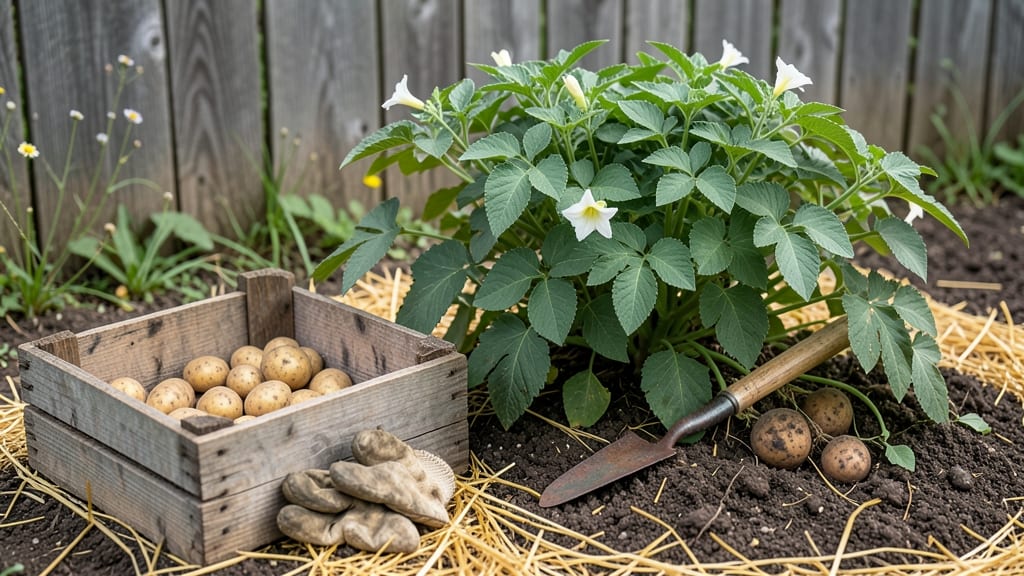
If you're growing potatoes in Zone 9 (think Southern California or Arizona), timing is everything—plant too early and you risk bolting, too late and your harvest suffers. The key to zero-bolt success lies in understanding your microclimate, soil temps, and the right varieties for your region.
Unlike cooler zones, Zone 9's mild winters and hot summers demand a different approach. Most gardeners here plant 🥔 between late fall and early spring, but the exact window depends on your specific location—coastal areas may have a few extra weeks compared to inland deserts.
In this guide, I’ll break down the science behind planting schedules, including soil temperature triggers and how to adjust for heat-sensitive varieties. You’ll also discover practical tips like chitting, container gardening hacks, and the best heat-tolerant potato varieties for your Zone 9 garden.
Ready to grow potatoes that thrive in your climate? Let’s dive into the strategies that will give you a bumper crop—without the stress of bolting or stunted growth.
Optimal planting windows for Zone 9 potatoes: Avoiding bolting in hot climates
In Zone 9, potatoes face a double threat: heat-induced bolting and stunted tuber growth. Unlike cooler climates, Zone 9’s mild winters and hot summers demand precise timing. Plant too early, and your potatoes will bolt (flower prematurely) before forming tubers.
Wait too long, and summer heat will stress plants before harvest. The secret? Plant when soil temps stay below 70°F and daylengths are shorter—typically late fall to early spring.
Zone 9’s unique climate means no traditional "last frost" date. Instead, focus on soil temperature triggers. Potatoes thrive when soil is between 45°F and 65°F. If your soil hits 70°F+, roots stop growing, and tubers shrink.
Use a soil thermometer to track temps—this is your best tool for success. Coastal areas (like San Diego) may have cooler microclimates, while inland deserts (like Phoenix) require even earlier planting to escape summer heat.
Here’s the golden window for Zone 9: October through March. This schedule aligns with: - Cooler soil temps (ideal for tuber formation) - Shorter daylight (reduces bolting risk) - Avoiding summer heat (which stresses plants)
| Planting Window | Soil Temp Range | Daylength | Best For | Harvest Month |
|---|---|---|---|---|
| Late October - November | 50°F - 60°F | 10-12 hours | Coastal Zone 9a | March - April |
| December - January | 55°F - 65°F | 10-11 hours | Inland Zone 9b | April - May |
| February - Early March | 60°F - 70°F | 11-12 hours | Containers/Urban Heat Islands | May (risk of bolting) |
⚠️ Pro Tip: Plant new potatoes (like 'Red LaSoda') in February for a spring harvest before heat sets in.
For Zone 9a (cooler coastal areas like Santa Barbara), aim for late October to November. Soil stays cooler longer, giving tubers time to bulk up before spring warmth arrives. In Zone 9b (hotter inland areas like Tucson), shift to December-January to avoid early bolting.
If you’re in a desert climate, prioritize shade-cloth or container growing to delay heat exposure.
Bolting is your biggest enemy in Zone 9. Potatoes bolt when exposed to long daylight + warm soil.
To prevent this: - Choose early-maturing varieties (60-90 days to harvest) - Plant 4-6 weeks before soil hits 70°F - Use black plastic mulch to warm soil faster in fall (speeds up early planting)
If you miss the fall window, don’t despair! Zone 9’s mild winters allow for a second planting in late winter (February). Opt for heat-tolerant varieties like 'Sweetheart' or 'Yukon Gold' and harvest by May before summer heat takes over.
Just be prepared for smaller yields—summer planting is a gamble in Zone 9.
Protect your soil with organic matter (compost or aged manure) before planting. Zone 9 soils often lack organic content, and potatoes hunger for nutrients. Mix in 2-3 inches of compost at planting to fuel tuber growth.
Avoid fresh manure—it can burn roots and attract pests. Instead, use well-aged compost or a balanced fertilizer (10-20-10) at planting.
Watering is critical in Zone 9’s dry summers. Potatoes need consistent moisture, but not soggy soil. Aim for 1-2 inches of water per week, delivered in the early morning to reduce evaporation.
Use drip irrigation or soaker hoses to keep foliage dry—this prevents blight, a common issue in humid Zone 9 summers. Mulch with straw or wood chips to retain moisture and keep soil temps stable.
Finally, harvest timing matters just as much as planting. In Zone 9, potatoes are ready when: - F
Microclimate adjustments: how to plant potatoes in Zone 9’s hottest vs. mildest areas
Zone 9’s climate varies dramatically—from coastal fog belts to desert heat islands. In 9a (cooler areas like Los Angeles hills), you can plant as late as February-March, while 9b (hotter inland zones like Phoenix) demands fall or winter planting to avoid bolting.
The key is matching your microclimate to the right strategy.
For hot inland areas, aim for October-November planting when soil temps drop below 70°F. Coastal gardeners can push to January-February thanks to cooler nights. Always check soil temperature—potatoes need 45-60°F to sprout without bolting.
🌱
🌡️ Zone 9 Microclimate Planting Guide
Plant: Jan-Feb | Soil Temp: 55-65°F
Plant: Oct-Nov | Soil Temp: 45-55°F
Use shade cloth (30-50%) | Containers for control
Choose early-maturing varieties (60-75 days)
In urban heat islands, containers with 5-gallon buckets let you control soil temps. Fill with 50% compost and 50% coco coir to retain moisture. For shaded gardens, select fast-maturing varieties like ‘Sweetheart’ (60 days) or ‘Red LaSoda’ (75 days) to finish before summer heat peaks.
Mulch heavily with straw or wood chips to keep soil cool. In 9b desert zones, water deeply every 5-7 days at dawn to prevent stress. Avoid overhead watering—it spreads disease in Zone 9’s humid summers.
For a second harvest, try fall planting (August-September) in cooler microclimates. Use black plastic mulch to warm soil faster. Just remember: never plant when daytime temps exceed 80°F—even heat-tolerant varieties will bolt.
🪴