
Plants
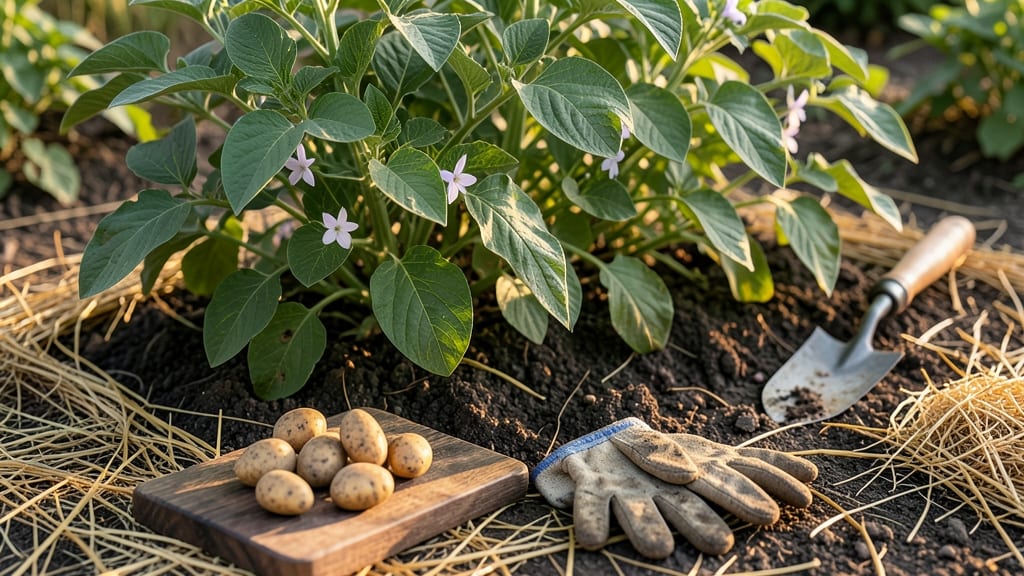
Timing your potato planting in Zone 5 isn't just about throwing seed potatoes into the ground—it's the difference between a bountiful harvest and watching your hard work wither away before July.
The last frost date in your area isn't just a guideline; it's your golden window to get those spuds in the soil when the earth is warm enough to encourage strong root growth.
Most gardeners in Zone 5 know the frustration of seeing their 🥔 plants struggle when planted too early, only to face another round of frost damage.
But here's the good news: with the right timing—typically 4 weeks before your last frost date—you can ensure your potatoes have plenty of time to mature before the first chill of fall sets in.
Whether you're growing early varieties like red potatoes or later ones like Yukon Gold, understanding these exact windows is key.
In this guide, I'll break down the science behind those frost dates, show you how to adjust for your specific Zone 5 location, and share practical tips to avoid common mistakes that ruin harvests.
You'll learn exactly when to plant, how to prepare your soil, and even how to extend your growing season for a longer harvest. Let's get those potatoes in the ground at the perfect moment!
Ready to transform your garden into a potato powerhouse? The clock is ticking—literally—and knowing these timelines could mean the difference between a few sad tubers and a bucketful of homegrown spuds by summer's end. Let's dive in and make sure your Zone 5 garden delivers the best possible yield.
Exact weeks before last frost to plant potatoes in Zone 5 for maximum yield
Timing your potato planting in Zone 5 is all about beating frost while giving tubers time to mature. The last frost date in most Zone 5 regions falls around mid-May, but your planting window actually starts much earlier.
Aim to plant 4-6 weeks before your last frost—this gives your potatoes enough time to sprout, grow foliage, and start tuber formation before summer heat peaks.
For Zone 5's typical 165 frost-free days, this means starting seed potatoes in late March to early April for early varieties. If you're growing longer-season varieties, you can push planting back until mid-April while still ensuring a full harvest before the first frost in mid-October.
The key is soil temperature—wait until the ground reaches at least 45°F (7°C) for consistent germination.
Here's my foolproof Zone 5 potato planting timeline based on local averages and variety maturity:
| Planting Stage | Zone 5 Timeline | Key Requirements |
|---|---|---|
| Prep Seed Potatoes | Early March | Cut certified seed potatoes, let cut sides callus (3-5 days) |
| Early Varieties | Late March - Early April | Soil 45°F+, 4" deep, 12" apart; plant 4 weeks before last frost |
| Mid-Season Varieties | Mid-April | Soil 50°F+, 4" deep; 12-15" apart for larger tubers |
| Late Varieties | Early-Mid May | Soil 55°F+; plant after last frost risk passes |
| Harvest Window | July - September | Early: 60-75 days; Late: 90-120 days after planting |
I always recommend planting early varieties first (like Red Pontiac or Yukon Gold) to maximize your harvest window. These mature in 60-90 days, giving you a chance to replant with longer-season varieties (like Kennebec) if you have space.
This succession planting strategy lets you harvest potatoes from mid-July through September.
One mistake I see often is planting too early when soil is still cold. Potatoes won't sprout below 45°F (7°C), and soggy soil from early spring rains can lead to rot.
Use a soil thermometer to confirm readiness—this small investment saves hours of frustration. If your soil is too cold, wait 1-2 weeks rather than forcing the issue.
For cold frames or greenhouse starts, you can push planting back even further. I've successfully grown early potatoes in Zone 5 by starting them indoors in February and transplanting after last frost.
This gives you a 4-6 week head start on the season, which is especially valuable if you're dealing with short growing seasons in northern Zone 5 areas.
Remember that Zone 5's frost-free season is shorter than many gardeners realize. With only about 165 days between frosts, every week counts. If you're new to potato growing, start with one early and one mid-season variety to test your timing before committing to a full rotation.
This approach lets you refine your schedule while still enjoying a harvest.
For extra protection against late frosts, I always keep row covers or frost blankets handy. These can extend your planting window by 2-3 weeks in spring, giving you more flexibility if your soil warms slowly. Just remove covers when daytime temperatures reach 70°F (21°C) to prevent overheating.
Finally, don't forget that potato varieties have different day-length requirements. Short-day varieties (common in Zone 5) perform best when planted in spring, while long-day varieties might need summer planting for optimal tuber formation. Always check the variety tag or seed packet for recommendations.
How to adjust planting time for early vs. late potato varieties in Zone 5
Zone 5 gardeners have a golden opportunity to extend their potato harvest by choosing the right varieties and planting at the perfect times.
Early varieties like Red Pontiac or Yukon Gold thrive when planted 4-6 weeks before last frost, while late varieties such as Fingerlings or Russet Burbank need a later start to mature fully. This timing flexibility lets you enjoy fresh potatoes from July through September!
Your frost-free days in Zone 5 (about 150-200 days) dictate when to plant each type. Early potatoes mature in 60-90 days, while late varieties take 100-120 days.
Planting too early risks frost damage, but starting late can leave tubers underdeveloped. The key is succession planting—staggering your plantings every 2-3 weeks to keep a steady harvest.
For early varieties, aim to plant 4 weeks before last frost (typically late March to early April). These potatoes grow quickly and are perfect for spring harvests. Mid-season varieties like Yukon Gold should go in 2-3 weeks after last frost (around mid-April to early May).
Late varieties need the full growing season, so plant them right after last frost (late April to early May).
| Variety Type | Planting Time (Zone 5) | Days to Maturity | Harvest Window |
|---|---|---|---|
| Early (Red Pontiac) | 4 weeks before last frost (late March) | 60-75 days | Late June - July |
| Mid-Season (Yukon Gold) | 2-3 weeks after last frost (mid-April) | 90-100 days | July - August |
| Late (Fingerlings) | Right after last frost (late April) | 100-120 days | August - September |
If you're short on space, consider container growing. Early varieties like Red Norland do well in 5-gallon buckets, while larger tubers (like Russets) need 15-gallon containers. Just ensure containers have drainage holes and use lightweight potting mix to avoid root stress.
Containers warm up faster in spring, so you can plant them 1-2 weeks earlier than in-ground potatoes.
Pro tip: Use straw mulch to regulate soil temperature and retain moisture. This is especially helpful for late plantings, as it protects tubers from early fall frosts.
For extra insurance, cover young plants with frost cloth if a late frost is forecasted after planting. This simple step can save your entire crop!
By matching your potato varieties to the right planting window, you’ll enjoy a longer harvest season and fewer wasted tubers. Experiment with different types each year to find what thrives best in your Zone 5 garden. Happy planting! 🥔