
Plants
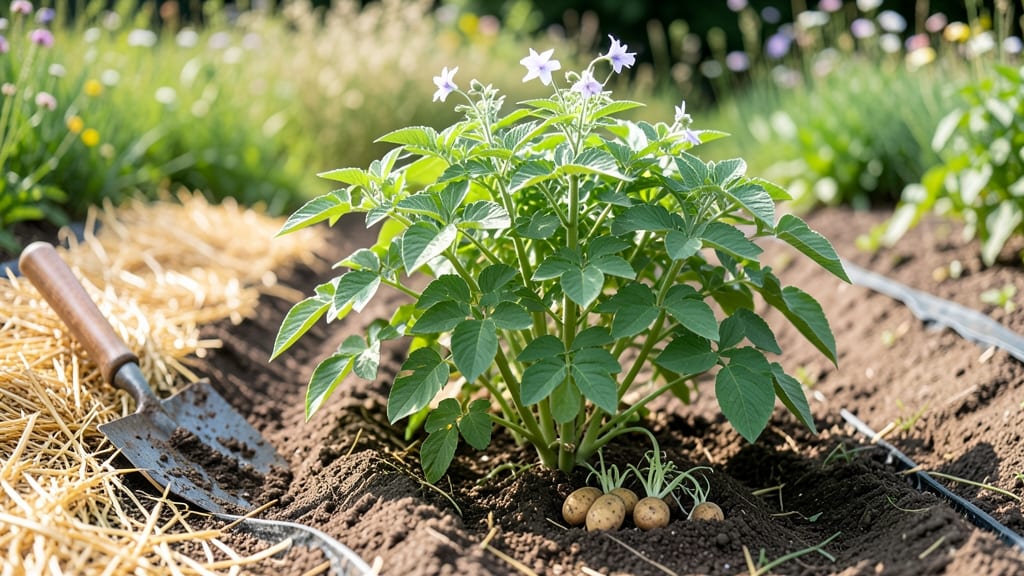
Ohio’s last frost dates by zone: exact weeks to plant potatoes for maximum growth
Ohio’s USDA zones 5b-6b create a 3-4 week window for planting potatoes before the last frost. In Northern Ohio (zones 5a-5b), like Cleveland and Toledo, the average last frost date is April 15, giving you a planting window between March 15 and April 1.
For Southern Ohio (zones 6a-6b), including Columbus and Cincinnati, the last frost typically arrives April 1, so plant between February 28 and March 15.
Potatoes need 90-120 frost-free days to mature, so timing is critical. Planting too early risks frost damage, while waiting too long cuts harvest potential. Ohio State University Extension recommends soil temperatures of 45°F (7°C) for planting—use a soil thermometer to confirm readiness.
Most gardeners in Ohio aim for 2-4 weeks before the last frost to balance risk and growth time.
Here’s a zone-specific breakdown of Ohio’s frost dates and ideal potato planting windows, adapted from NOAA data and local gardening reports:
For early varieties like Yukon Gold or Red Pontiac, plant at the earliest window (late February to early March in Southern Ohio). Mid-season varieties such as Kennebec thrive when planted 2-3 weeks later, while late varieties like Russet need the full window to mature by harvest.
Adjust based on your local microclimate—low-lying areas frost later than hills.
Ohio’s historical frost patterns show 30% variability year-to-year, so always check Almanac.com or your local Cooperative Extension office for updates. If you’re unsure, plant a test row 2 weeks early and cover it with frost cloth if needed.
This gives you flexibility while ensuring at least one batch of potatoes survives.
Pro tip: Chitting potatoes (pre-sprouting in light) can jumpstart growth by 10-14 days. Place seed potatoes in a cool, bright spot (50–60°F) 2–4 weeks before planting. This helps them emerge faster once soil temperatures rise, giving you an edge in Ohio’s short growing season.
Once planted, mulch heavily with straw or grass clippings to insulate tubers and maintain even soil temps. Avoid plastic mulch—it can overheat soil and stunt growth.
Aim for 3–4 inches of mulch once plants reach 6 inches tall to protect tubers from green skin (a sign of sunlight exposure, which makes potatoes toxic).
Harvest timing varies by variety but aligns with Ohio’s summer heat. Early potatoes (like New Potatoes) can be dug 60–70 days after planting, while storage varieties need 90–120 days. In Ohio, this typically means July for early crops and August for late varieties.
Cure harvested potatoes in a dark, humid space (60–70°F) for 1–2 weeks to toughen skins and improve storage life.
If you miss the spring window, Ohio’s fall planting is possible but risky. Plant 6–8 weeks before the first frost (early September for Northern Ohio) for a small harvest before winter. Use fast-maturing varieties like Early Rose and protect plants with row covers as temps drop.
🌱
How to adjust planting time for Ohio’s unpredictable spring weather (and what to do if frost hits early)
Ohio’s spring weather can be as unpredictable as a toddler’s mood—one day warm and sunny, the next a surprise frost that turns your tender potato sprouts into icy popsicles. Don’t panic if your usual planting window gets thrown off. With a few smart adjustments, you can still grow a bountiful potato crop even when Mother Nature plays tricks. The key is monitoring soil temperature, protecting young plants, and knowing your backup options. First, check your soil temperature before planting. Potatoes need soil that’s at least 45°F (7°C)—any colder, and their growth slows to a crawl. Use a soil thermometer (they’re cheap and lifesavers) to test 4 inches deep, where the tubers will form. If temperatures fluctuate, consider delaying planting by a week or two until conditions stabilize. Cold soil + warm air creates the perfect recipe for rotten potatoes, so patience pays off here.If spring arrives late and you’ve missed the ideal 2-4 week window before last frost, don’t despair—late planting is better than no planting. Focus on fast-maturing varieties like ‘Yukon Gold’ or ‘Red Norland,’ which can produce harvests in as little as 60-70 days.
Plant them in early May (or as soon as soil is workable) and use black plastic mulch to warm the soil and suppress weeds. Just be prepared for a smaller yield—potatoes planted after Memorial Day won’t have time to reach their full potential.
Finally, keep an eye on your potato leaves for signs of frost damage. If they turn black or develop a water-soaked appearance, trim them back immediately to redirect the plant’s energy to the underground tubers. Healthy foliage = more potatoes, so don’t be shy about pruning damaged growth.
And if all else fails, save your seed potatoes in a cool, dark place (like a basement) and try again next year with a revised planting schedule.
Remember, Ohio’s climate is all about flexibility. The “perfect” planting window might shift from year to year, but with these adjustments, you’ll always have a shot at a successful potato harvest, no matter what spring throws at you. 🌱