
Plants
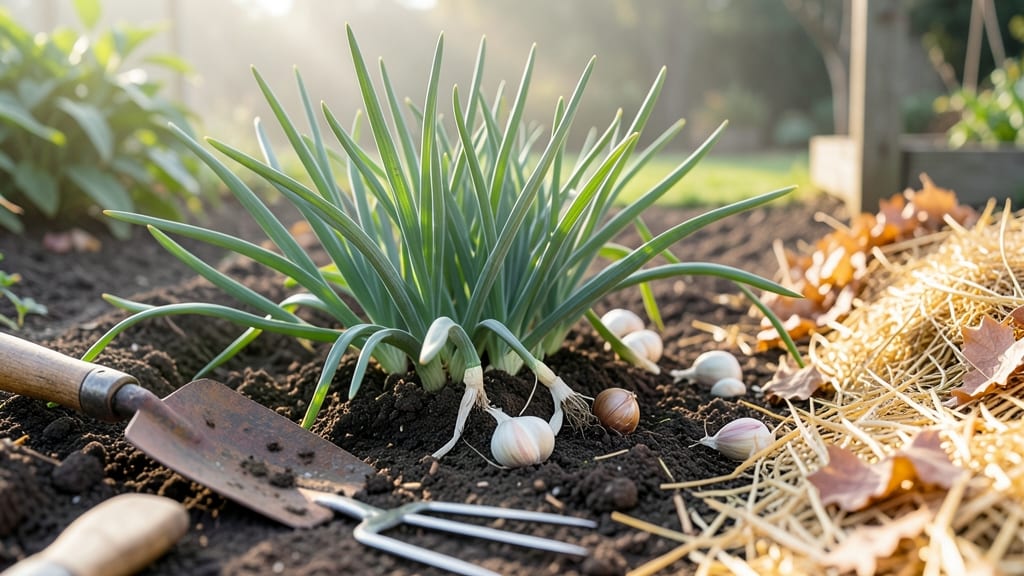
Vermont’s ideal garlic planting window: hardneck varieties’ exact months by Zone
Vermont’s USDA Zones 3-5 create unique challenges for garlic growers. Unlike milder climates, timing is everything—plant too early, and your cloves sprout before winter sets in. Too late, and they won’t establish roots before the ground freezes.
For hardneck varieties (the best for Vermont), the sweet spot is late September to mid-October.
This window gives garlic cloves 4-6 weeks to root before the ground freezes solid. In Zone 3 (northern Vermont), aim for late September to avoid early freezes.
In Zone 4-5 (southern Vermont), you can stretch until mid-October. Spring planting is possible but risky—only attempt it in early March if you miss fall.
Why fall planting works best: Garlic needs cold exposure (a process called vernalization) to form bulbs. Vermont’s winters provide this naturally. Spring-planted garlic often produces smaller bulbs or flowers instead of bulbs.
Pro tip: Check your last frost date (typically mid-October in Vermont) and plant 6 weeks before. For example, if your frost date is October 15, plant by September 20.
For hardneck varieties like ‘German White’ or ‘Music’, fall planting ensures larger bulbs with more cloves. These varieties thrive in Vermont’s climate and store well through winter.
If you’re in Zone 3 and face early freezes, use row covers or plant in protected microclimates (like near south-facing walls). This buys you extra time for root establishment.
Spring planting is a last resort. If you must plant in spring, do it in early March and expect smaller yields. The key is getting cloves into 40°F soil as soon as possible to trigger root growth.
Vermont’s rocky soil can delay planting. Amend beds with compost or well-rotted manure 2-3 weeks before planting to improve drainage and fertility.
Here’s the golden rule: Plant when soil temps hit 40°F and stay there consistently. Use a soil thermometer to track temps—this is your best guide.
| Zone | Ideal Planting Window | Soil Temp Goal | Key Varieties |
|---|---|---|---|
| Zone 3 (Northern VT) | Late September | 40°F (consistent) | ‘German White’, ‘Kogane’ |
| Zone 4 (Central VT) | Early to mid-October | 40°F (consistent) | ‘Music’, ‘Chesnok Red’ |
| Zone 5 (Southern VT) | Mid-October | 40°F (consistent) | ‘Silverskin’, ‘Creole’ |
| Spring Planting (All Zones) | Early March | 40°F (soil) | Any hardneck (smaller bulbs) |
Remember: Hardneck garlic needs cold to form bulbs. Vermont’s winters do this automatically, but spring planting skips this step, leading to bolting (flowering) instead of bulb development. If you bolt, your harvest will be tiny cloves or none at all.
For best results, mark your calendar for late September to mid-October and prepare your soil in advance. Vermont’s short growing season means every day counts—don’t miss your window!
🌱
Vermont’s ideal garlic planting window: hardneck varieties’ exact months by Zone
Vermont’s USDA Zones 3-5 create unique challenges for garlic growers, but timing your hardneck varieties correctly ensures robust bulbs. The optimal planting window spans late September to mid-October, allowing cloves to establish roots before winter dormancy.
This aligns with Vermont’s average first frost around mid-October, giving roots 4-6 weeks to anchor.
For Zone 3 (northern Vermont), aim for late September planting—earlier risks premature sprouting before frost. In Zone 4 (central Vermont), mid-to-late September works best, while Zone 5 (southern Vermont) can extend to early October.
Spring planting is possible in March, but bulbs may be smaller due to Vermont’s short growing season.
Key timing factors include soil temperature (40-50°F) and frost dates. Use Vermont’s last frost averages as your guide: plant when nighttime temps consistently drop below 50°F. Hardneck varieties like ‘Music’ and ‘German White’ thrive in these conditions, producing flavorful bulbs by July harvest.
| Zone | Ideal Planting Window | Soil Temp Goal | Key Varieties |
|---|---|---|---|
| 3 (Northern VT) | Late September | 40-50°F | ‘German White’, ‘Chesnok Red’ |
| 4 (Central VT) | Mid-to-late September | 40-50°F | ‘Music’, ‘Silverskin’ |
| 5 (Southern VT) | Early October | 40-50°F | ‘Korean Red’, ‘Ajo Rojo’ |
| Spring Backup | Early March | 45-55°F | All hardnecks (smaller bulbs) |
Vermont’s rocky soil and variable microclimates mean adjustments are often needed. For example, Chittenden County (Zone 4) may need to plant 1-2 weeks earlier than Addison County (Zone 3) due to slightly warmer fall temps.
Always test your soil’s drainage—garlic hates soggy conditions, which are common in Vermont’s low-lying areas.
Pro tip: Use a moon planting calendar aligned with Vermont’s frost dates. Aim for a rooting moon phase (when the moon is below the horizon) to encourage strong root development before winter. This old-school method surprisingly works well in Vermont’s short-season climate.
After planting, mulch heavily with straw or leaves (6-8 inches) to insulate bulbs through Vermont’s -20°F winters. Remove mulch in late April to allow soil to warm for spring growth. With precise timing and these Vermont-specific adjustments, you’ll harvest bulbs that outshine store-bought varieties.