
Plants
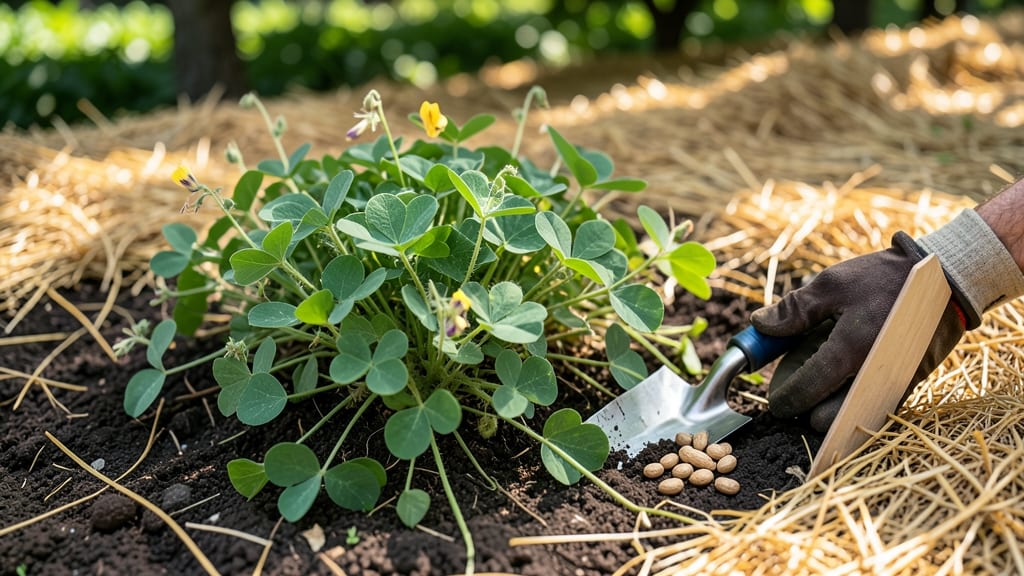
Best months to plant peanuts in Georgia for peak yield
Georgia’s ideal peanut planting window spans from mid-April to early June, aligning perfectly with the state’s warm soil temperatures and long growing season. This period ensures peanuts have 120–150 frost-free days to mature, which is critical for a successful harvest.
The USDA recommends Georgia’s zones 7b–9a for peanut cultivation, where heat units accumulate rapidly after spring.
Peanuts thrive when soil temperatures consistently reach 70°F (21°C) at a 4-inch depth. In Georgia, this typically occurs by late April in coastal regions and early May in the Piedmont.
Planting too early risks cold soil stress, while delaying past June may result in immature pods before the first frost in November.
For maximum yield, aim to plant peanuts between April 15 and May 15. This window balances early-season growth with avoiding summer heat stress.
Coastal Georgia gardeners can start as early as March 30 if soil warms quickly, while highland areas may need to wait until late May.
| Planting Window | Soil Temp Requirement | USDA Zone Fit | Notes |
|---|---|---|---|
| Mid-April to May 15 | 70°F (21°C) at 4" | 7b–8a | Optimal for coastal GA |
| Late April to June 1 | 70°F (21°C) at 4" | 8b–9a | Best for Piedmont GA |
| May 15–June 1 | 70°F (21°C) at 4" | 7b–8a (highlands) | Avoid late June; risk of immature pods |
Peanuts require 120–150 days from planting to harvest, so timing is critical. A May planting in Georgia typically yields mature peanuts by late September, just before frost risks increase.
Early plantings in March (coastal only) may produce harvests by August, but these require extra irrigation to prevent drought stress.
Soil preparation is just as important as planting dates. Peanuts prefer sandy loam soil with a pH of 6.0–6.5. Work in 2–3 inches of compost before planting to improve drainage, which is essential in Georgia’s clay-heavy soils.
Avoid planting in areas with poor drainage, as waterlogged soil can cause root rot and stunted growth.
For container growing, start peanuts indoors 8–10 weeks before your target outdoor planting date. Use 5-gallon pots with drainage holes and plant 2–3 seeds per pot. Transplant seedlings outdoors after the last frost when soil is warm and consistent.
Harden off seedlings by gradually exposing them to outdoor conditions over 7–10 days.
Monitor soil moisture closely after planting, as peanuts are sensitive to both drought and excess water. In Georgia’s summer heat, water deeply 2–3 times per week to encourage deep root growth. Mulch with straw or pine needles to retain moisture and suppress weeds, which compete for nutrients.
If you miss the ideal window, consider short-season varieties like 'Early Spanish' or 'Georgia Red', which mature in 90–110 days. These can be planted as late as early June in coastal areas but may require row covers to extend the growing season in inland regions.
Always check your local agricultural extension office for region-specific advice, as microclimates within Georgia can vary significantly. For example, Athens (Zone 8a) may have earlier planting dates than Savannah (Zone 8b) due to differences in heat accumulation.
Best months to plant peanuts in Georgia for peak yield
Georgia’s ideal peanut planting window runs from mid-April to early June, aligning with soil temperatures of 70°F (21°C) or higher. This timing ensures your peanut plants avoid late frosts while maximizing heat units for pod development.
The USDA recommends Georgia’s zones 7b–9a for optimal growth, where frost-free seasons stretch from March 15 to November 15.
For coastal Georgia (zones 8a–9a), you can start as early as late March if soil warms quickly. Inland areas (zones 7b–8a) should wait until mid-April to avoid frost damage. Peanuts need 120–150 days to mature, so planting too late risks immature harvests before Georgia’s first frost.
🌱 Did You Know?
| Peanut Variety | Notes |
|---|---|
| Early Runner | Best for coastal areas (plant March–April) |
| Virginia | Ideal for inland zones (plant April–May) |
| Spanish | Fast-maturing; plant late April–early June |
Peanuts thrive in sandy loam soil with a pH of 6.0–6.5. Test your soil before planting—amending with compost improves drainage, critical for preventing root rot. In drought-prone areas, prioritize planting by mid-May to avoid summer water stress.
After planting, maintain consistent moisture until pegging (when roots form pods). Use drip irrigation to deliver 1 inch of water weekly during dry spells. Mulch with straw or pine needles to retain soil moisture and regulate temperature.
Harvest peanuts when vines yellow and pods rattle (typically late September–October). Dig carefully to avoid damage—underground pegs are delicate. Cure harvested peanuts in the sun for 5–7 days to develop flavor and texture.
Timing your peanut harvest right ensures maximum yield and nut quality. Miss the window, and you risk underdeveloped pods or mold from wet soil. With these Georgia-specific guidelines, you’ll enjoy a bountiful harvest every season! 🌾