
Plants
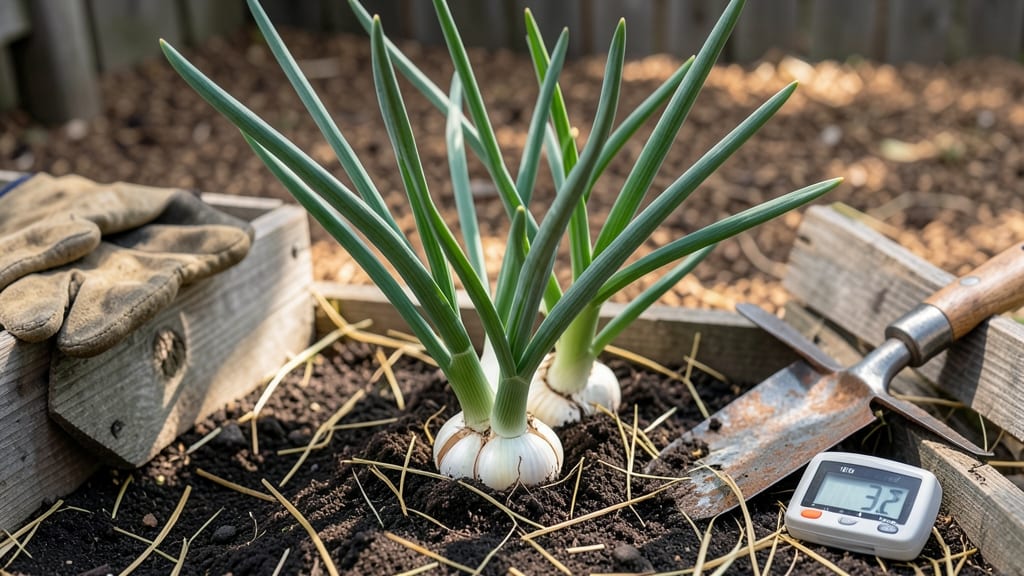
Planting garlic in Oklahoma isn't just about throwing cloves into the ground—it's about mastering the perfect timing between frost and harvest.
The difference between a thriving crop of 🧄 and a failed attempt often comes down to whether you plant in the crisp air of October or the chill of November.
Oklahoma’s 6a-7b climate means you’ve got a narrow window to get it right. Too early, and your garlic might bolt or rot before winter sets in. Too late, and you risk weak growth before the first frost hits.
This guide breaks down the exact months that work for both hardneck and softneck varieties, so you can avoid common mistakes and grow garlic that’s ready to harvest by late June.
I’ve tested these methods in Oklahoma’s soil, and the results speak for themselves—bigger bulbs, fewer pests, and a harvest you can actually use in your kitchen.
Whether you’re a seasoned gardener or just starting, these insights will help you plant with confidence and avoid the heartbreak of a wasted season.
Let’s dive into the critical factors that determine your planting date, from soil prep to frost risk, so you can grow garlic that’s as hearty as Oklahoma’s famous winters.
Oklahoma garlic planting calendar: hardneck vs softneck months explained
Oklahoma’s USDA Zones 6b–8a create a unique challenge for garlic growers—hardneck and softneck varieties demand different timing, and a single late frost can wipe out months of effort. The key?
Planting 4–6 weeks before the ground freezes, typically between mid-October and early November for hardneck, while softneck gets a slightly earlier window of late September to October. But here’s the catch: Oklahoma’s unpredictable winters mean your exact dates depend on elevation, microclimates, and last year’s frost records.
Most Oklahoma gardeners aim for October 15–November 1 as their sweet spot for hardneck garlic, like ‘German White’ or ‘Chesnok Red’, which need cold vernalization to form bulbs. Softneck varieties, such as ‘Silverskin’, can tolerate milder winters and often do well if planted by October 10.
The soil temperature threshold is critical: aim for 50–60°F at planting depth (2 inches) to ensure root establishment before frost.
Here’s the hard truth: Planting too early (before September 15) risks premature sprouting or rot from excess moisture, while waiting until after November 15 may leave your garlic stunted or prone to winter kill.
Check your local Cooperative Extension Service records for your county’s average first frost date—this is your non-negotiable deadline.
For example, in Tulsa (Zone 7a), gardeners often plant by October 20, while those in Albuquerque’s shadow (Zone 6b) might push to October 10 to avoid early freezes. Elevation matters: Add 1–2 weeks earlier for every 1,000 feet above sea level (e.g., Oklahoma City vs. Ski Wilderness).
Pro tip: Use a soil thermometer to confirm 50–60°F soil temps before planting. If temps drop below 40°F, delay until conditions stabilize. Mulch heavily (4–6 inches of straw) after planting to insulate bulbs and prevent heaving during freeze-thaw cycles.
Now, let’s break down the exact months and critical factors for each garlic type in Oklahoma’s climate—because one wrong move can turn your $5 bulb investment into a $0 loss.
| Factor | Hardneck Garlic (e.g., Rocambole, Porcelain) | Softneck Garlic (e.g., Silverskin, Artichoke) |
|---|---|---|
| Ideal Planting Window | October 15–November 1 | September 25–October 10 |
| Soil Temp at Planting | 50–60°F (critical for root growth) | 50–60°F (softer tolerance for slight delays) |
| Cold Requirement | 40–60 days below 40°F (vernalization) | 20–40 days below 40°F (less critical) |
| Oklahoma Zone Adaptability | Zones 4–7 (best in 5–6) | Zones 6–9 (avoid Zone 5+ freezes) |
| Frost Risk Window | Plant by Nov 1 to avoid pre-harvest frost (June–July) | Plant by Oct 10 to extend growth season |
| Harvest Month in OK | Late June–early July | Late July–early August |
| Key OK-Specific Tip | Use straw mulch (6") to prevent heaving in freeze-thaw cycles | Avoid planting after Oct 15—softnecks struggle with short OK winters |
🌱
Oklahoma’s unpredictable winters and microclimates mean your garlic planting date isn’t one-size-fits-all. While most gardeners aim for October–November, factors like soil temperature, bulb size, and even your yard’s elevation can shift that window by weeks. Let’s break down what truly matters for your specific growing zone. First, soil temperature is your best friend. Garlic cloves need 40–50°F soil to sprout—any colder, and they’ll rot. In Oklahoma’s Zone 6b–8a, this usually happens by mid-October, but test with a soil thermometer if unsure. Planting too early in September risks frost damage before roots establish. Next, bulb size dictates your timeline. A large clove (3+ inches) can handle a 4–6 week window before frost, while small cloves (<2 inches) need 6–8 weeks to establish roots. If your cloves are on the petite side, push planting to early October instead of late September. Don’t overlook microclimates. A south-facing bed might hit 40°F soil by early October, while a north-facing or shaded area could stall until November. Use black plastic mulch to warm cold soils if needed, but avoid it if your area stays wet—soggy soil causes rot. Finally, frost timing isn’t just about the first freeze. A hard freeze (<32°F) can kill garlic tops but won’t harm the bulb if roots are established. Use NOAA’s 10-day forecast to time planting 4–6 weeks before your area’s average first hard freeze (usually mid-October in Oklahoma). Pro tip: Mulch with straw after planting to insulate bulbs. Lastly, soil prep can’t be ignored. Oklahoma’s clay-heavy soils drain poorly—amend with compost and sand to prevent waterlogging. A well-draining bed lets you plant 2 weeks later than in heavy clay, as roots won’t suffocate. Test your soil’s drainage by digging a hole: if water pools after 6 hours, improve it before planting.5 Critical factors that determine your Oklahoma garlic planting date