
Plants
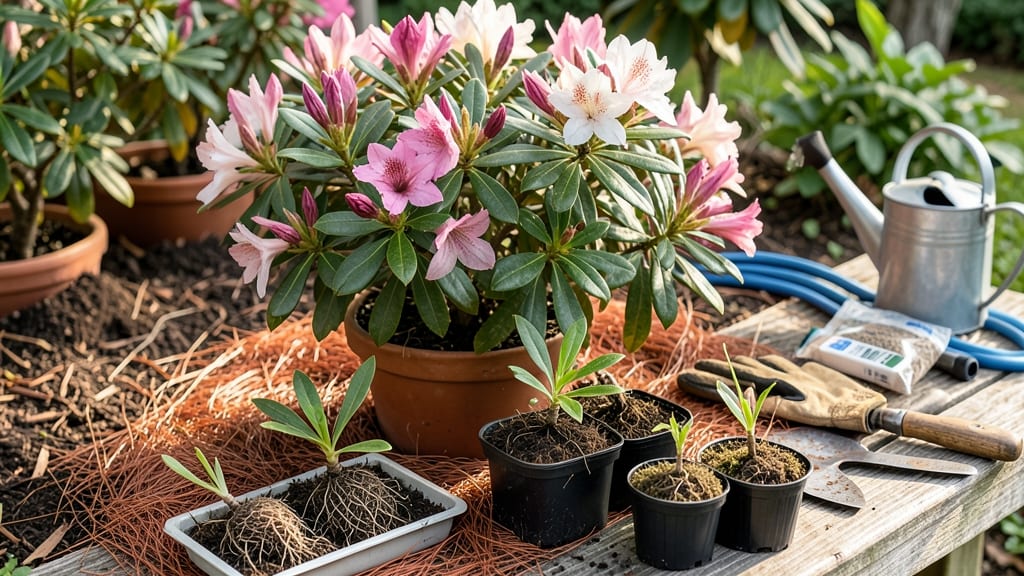
Planting azaleas in Florida at the wrong time can turn your dream garden into a sad, struggling shrub—because Florida’s heat and humidity play tricks on these chill-loving plants. Unlike cooler climates, timing isn’t just about seasons; it’s about matching your azalea’s chill-hour needs to avoid bolt (those unsightly, early blooms) or weak growth.
Here’s the secret: Most Florida gardeners get it wrong by focusing only on months, not the 300-900 chill-hours your azalea needs to thrive.
Whether you’re in North Florida’s cooler Zone 8a or South Florida’s balmy Zone 11, the right window—fall to early spring—is your ticket to vibrant blooms and zero stress.
I’ll break down exactly when to plant in your specific region, how to prep your soil for Florida’s acidic-loving azaleas, and the 3 critical care steps to keep them thriving. No more guessing—just lush, 🌸-filled success.
Ready to skip the trial-and-error? Let’s dive into the chill-hour strategy that’ll have your azaleas blooming like clockwork—no matter where you live in the Sunshine State.
Florida azalea planting timeline by chill-hour requirements
Florida’s subtropical climate challenges traditional azalea planting wisdom. Unlike northern states, Florida’s chill-hour needs (300–900 hours below 45°F) dictate planting windows that avoid bolt risk (premature blooming). Plant too early, and your azalea may flower in summer—leaving it vulnerable to heat stress.
Plant too late, and root establishment suffers. The solution? Match your azalea variety to your Florida region.
Florida’s three distinct zones—Southern, Intermediate, and Northern—each demand a tailored approach. Southern Florida (zones 10–11) has minimal chill hours, while Northern Florida (zones 8a–9a) offers more. Even a 100-mile difference can shift your ideal planting month by weeks.
Let’s break down the best times to plant azaleas in each zone to ensure vibrant blooms and healthy growth.
⚠️ CRITICAL NOTE: Avoid planting during peak summer heat (June–August) or freeze-prone winter months (December–February in North FL). The optimal window is fall to early spring, but exact timing depends on chill-hour needs.
| Florida Zone | Chill-Hour Range | Best Planting Months | Avoid Planting | Ideal Varieties |
|---|---|---|---|---|
| Southern FL (10–11) | 300–500 hours | October–November | April–September | Ralph Sanders, Southern Indica |
| Intermediate FL (9a–9b) | 500–700 hours | November–December | March–August | George L. Taber, Hershey, Oconee |
| Northern FL (8a–8b) | 700–900 hours | December–February | June–January | Girard’s, Splendens, Formosa |
For Southern Florida, where chill hours rarely exceed 500 hours, focus on low-chill varieties like Ralph Sanders. Plant in late fall (October–November) to give roots time to establish before summer’s heat.
In Intermediate Florida, where chill hours range from 500–700 hours, aim for November–December planting. This aligns with natural dormancy periods and reduces bolt risk.
In Northern Florida, where chill hours can reach 900 hours, extend your planting window to December–February. However, avoid planting in January if frost is forecasted. Use mulch (3–4 inches) to protect roots from temperature swings.
Pro tip: Container-grown azaleas in Northern FL can be planted slightly later (up to early March) since they’re less stressed by transplant shock.
Timing isn’t just about months—it’s about weather patterns. For example, South FL’s dry season (December–April) means you’ll need to water deeply after planting to prevent transplant shock.
Meanwhile, North FL’s wetter winters may require raised beds for better drainage. Always check the 7-day forecast before planting to avoid heatwaves or cold snaps.
One common mistake? Planting bare-root azaleas too early. These need moist soil to establish roots, so avoid planting them in dry spells. If you’re buying container-grown azaleas, they’re more flexible and can handle slightly later planting (up to early April in South FL).
Just ensure the soil is warm (above 60°F) and well-amended with peat moss.
After planting, mulch heavily (4–6 inches) to retain moisture and regulate soil temperature. In South FL’s heat, use shredded bark mulch to insulate roots. In North FL’s cooler winters, opt for pine straw mulch to add acidity.
Remember: Azaleas hate alkaline soil, so test your pH (4.5–6.0) and amend with sulfur or pine fines if needed.
Finally, don’t rush to fertilize after planting. Wait
Florida azalea planting timeline by chill-hour requirements
Florida’s subtropical climate creates unique challenges for azalea planting—unlike northern states, we don’t have traditional "fall planting" seasons. Instead, timing depends on your chill-hour zone (the number of hours below 45°F your region experiences annually).
Most Florida azaleas need 300-900 chill hours, but varieties vary widely. Planting outside these windows risks bolt (premature blooming) or weak root establishment.
Northern Florida (Zones 8a-8b) gets 200-500 chill hours, while Central (Zone 9a) sees 100-300 hours, and South Florida (Zone 10a+) often gets fewer than 100 hours. This means your planting window shifts dramatically depending on where you live.
For example, a 600-chill-hour azalea in Jacksonville (North FL) might thrive when planted in November-December, but the same variety in Miami would need spring planting (February-March) to avoid heat stress.
| Region | Chill Hours | Best Planting Window | Avoid Planting |
|---|---|---|---|
| North Florida (Zones 8a-8b) | 500-900 | October 15 - December 15 | June-August (peak heat) |
| Central Florida (Zone 9a) | 300-600 | November 1 - February 15 | April-May (bolt risk) |
| South Florida (Zones 10a-11) | 0-300 | January 15 - March 15 | July-September (hurricane season) |
For Northern Florida gardeners, focus on fall planting (October-November) when soil temps drop below 80°F. This gives roots time to establish before winter.
In Central Florida, aim for late fall to early winter (November-January), avoiding December’s occasional cold snaps. South Florida’s narrow window (January-March) requires extra care—mulch heavily to retain moisture and protect roots from 90°F+ days.
Pro tip: If you’re unsure about your chill hours, check the NOAA Climate Data for your county or use the University of Florida IFAS Extension chill-hour calculator. For example, Gainesville (Zone 8b) averages 600 chill hours, while Tampa (Zone 9b) sees only 300 hours.
Matching your azalea variety to these numbers is key to avoiding bolt (premature blooming), where flowers appear too early and weaken the plant.
After planting, monitor your azalea’s response to local conditions. In North Florida, expect blooms in March-April if planted correctly. In South Florida, some varieties may bloom year-round but with less vigor.
Mulch with 3-4 inches of pine bark to maintain soil acidity (pH 4.5-6.0) and retain moisture during Florida’s dry spells.
Remember: Florida’s humidity and heat demand extra attention. Water deeply 2-3 times per week after planting, and provide afternoon shade (especially for evergreen azaleas) to prevent leaf scorch.
With the right timing, your azaleas will reward you with vibrant blooms for decades—without the stress of bolt or stunted growth. 🌸