
Plants
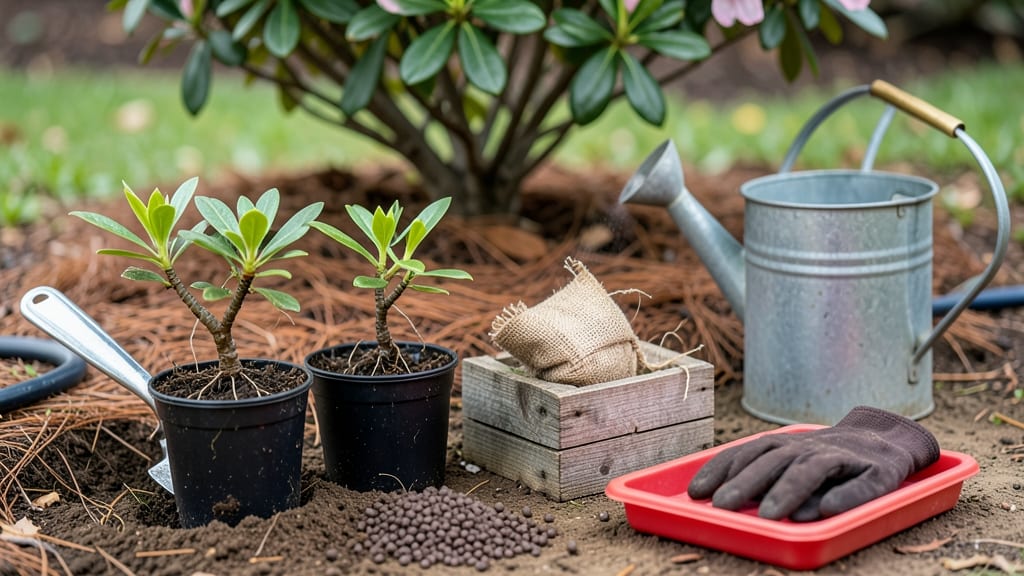
Planting your azaleas at the wrong time in Atlanta could mean struggling to get those vibrant blooms you love—especially with the city’s humid subtropical climate working against you if you’re not careful.
Whether you're a seasoned gardener or just starting with your first 🌸, knowing the best months to plant azaleas in Atlanta is the key to thriving shrubs that burst with color year after year. The difference between fall and spring planting can make or break your success.
In this guide, I’ll walk you through the ideal planting windows—October to November for fall and early March for spring—plus soil prep tips and microclimate tricks to keep your azaleas happy in Atlanta’s USDA Zone 7b.
Let’s dive into the exact steps to ensure your azaleas take root, grow strong, and reward you with stunning blooms for seasons to come.
Best months to plant azaleas in Atlanta’s climate zone
Atlanta’s USDA Zone 7b-8a climate offers two prime windows for planting azaleas: fall (October-November) and early spring (March-April). These months align perfectly with Atlanta’s mild temperatures and higher rainfall, reducing transplant shock and promoting strong root growth before extreme heat or cold sets in.
Fall planting is often preferred because cooler soil temperatures help roots establish before winter dormancy. In contrast, spring planting gives azaleas a head start for the growing season, but requires careful timing to avoid Atlanta’s sudden heat spikes in late April or May.
For best results, aim to plant azaleas when soil temperatures stay between 50°F and 65°F. This range minimizes stress while allowing roots to grow actively. Atlanta’s last frost typically occurs around March 15, making early March a safe window for spring planting.
Here’s how Atlanta’s climate factors influence planting success:
| Climate Factor | Fall Planting (Oct-Nov) | Spring Planting (Mar-Apr) |
|---|---|---|
| Soil Temperature | 55°F–65°F (ideal) | 50°F–60°F (early March) |
| Rainfall | Moderate (3–4 inches/month) | Higher (4–5 inches/month) |
| Humidity | Moderate (50–60%) | Variable (40–70%) |
| Pest Risk | Low (fewer pests) | Moderate (aphids, lace bugs) |
| Root Establishment | 6–8 weeks before dormancy | 4–6 weeks before heat stress |
Atlanta’s humid subtropical climate means azaleas planted in fall benefit from cooler nights and consistent moisture, which reduces transplant shock. Spring planting, while faster, requires daily watering to combat Atlanta’s drying winds and heat.
If you’re planting in late fall (December), choose hardy varieties like ‘Girard’s Pink’ or ‘Southern Indica’, which tolerate brief cold snaps. Avoid planting in summer or late spring, as Atlanta’s 90°F+ temperatures cause rapid moisture loss and root burn.
For container-grown azaleas, September is a secondary window—just ensure soil stays moist and mulch heavily to protect roots. Atlanta’s clay-heavy soils often need amendment with peat moss or pine bark to improve drainage and acidity.
Pro tip: Test your soil’s pH before planting—azaleas thrive in acidic soil (pH 4.5–6.0). Atlanta’s native soils are often alkaline (pH 6.5+), so amend with sulfur or composted pine needles to create the ideal environment.
🌸
Fall planting vs. spring planting: which works better in Atlanta?
Atlanta’s humid subtropical climate gives you two prime windows for planting azaleas: fall (October-November) and early spring (March-April). But which one delivers the best results for your garden?
Let’s break down the pros and cons so you can make an informed decision based on your yard’s conditions and your schedule.
Fall planting is often the gold standard for azaleas in Atlanta. The cool temperatures and increased rainfall help roots establish before winter dormancy. Plus, your azaleas will have a head start on spring growth, leading to earlier and more abundant blooms the following year.
This is especially true in Atlanta’s USDA Zone 8a/8b, where winters are mild but still benefit from early root development.
Spring planting, on the other hand, offers flexibility for gardeners who missed the fall window. Planting in March or early April allows your azaleas to take advantage of Atlanta’s lengthening daylight hours and warming soil.
However, spring-planted azaleas may struggle with summer heat stress if not established quickly, and they’ll likely bloom a year later than their fall-planted counterparts.
🌸
- ✔ Roots establish before winter
- ✔ Blooms earlier next year
- ✔ Less summer heat stress
- ✖ Limited window (Oct-Nov)
- ✖ Requires advance prep
- ✔ Flexible timing (March-April)
- ✔ Avoids late fall freezes
- ✔ Good for missed fall window
- ✖ Blooms delayed by a year
- ✖ Higher summer stress risk
- ✖ Needs consistent watering
For Atlanta gardeners, fall planting is generally the best choice if you want vibrant blooms sooner. However, if you’re new to gardening or missed the fall window, spring planting can still work—just be prepared for extra care during the first growing season.
Pay special attention to watering and mulching to help your azaleas establish roots quickly.
Atlanta’s humidity and summer heat can be challenging for young azaleas, so whether you plant in fall or spring, protect your shrubs from afternoon sun during the hottest months.
Consider planting them in a location with morning sun and afternoon shade, which mimics their natural woodland habitat and keeps them thriving.
If you’re still unsure, test your soil’s acidity (azaleas love pH 4.5-6.0) and prepare your planting site in advance.
This way, whether you plant in fall or spring, your azaleas will have the perfect conditions to grow into stunning, long-lived shrubs that brighten your Atlanta garden for years to come. 🌿