
Flowers
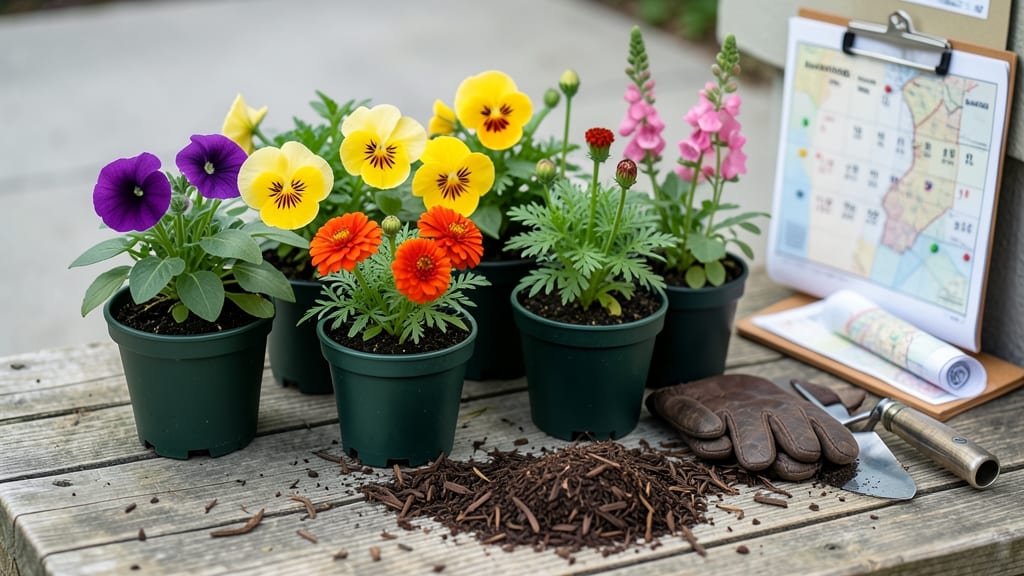
Timing your flower planting in Michigan can make the difference between a burst of color and a sad, frost-nipped yard. The right window depends on whether you're in Detroit, Traverse City, or the Upper Peninsula—each with its own frost-free schedule.
I’ve spent years watching Michigan gardens transform, and the key is knowing when to plant annuals, perennials, and bulbs without risking a late frost. Whether you’re dreaming of summer blooms or fall color, getting the timing right ensures your flowers thrive from spring to frost.
Let’s break down the optimal planting months for your hardiness zone, plus pro tips to stretch your season. You’ll learn how to beat frost, choose the best varieties, and keep your garden blooming longer—no guesswork needed.
Ready to turn your Michigan garden into a floral showstopper? Let’s get started with the frost-free timeline that works for your corner of the state.
Michigan flower planting dates by hardiness Zone (2024 guide)
Michigan’s USDA hardiness zones 6a and 6b create a short but critical planting window for flowers. The average last frost date varies dramatically—from May 10 in Detroit to June 1 in the Upper Peninsula. Knowing these dates helps you avoid frost damage while maximizing bloom time.
For annual flowers, wait until two weeks after the last frost—typically late May to early June in most regions. Perennials and bulbs, however, can often be planted as early as March or April when soil thaws, giving roots time to establish before summer heat arrives.
Michigan’s microclimates add complexity. Southern Michigan (Detroit, Kalamazoo) enjoys earlier springs, while northern areas (Traverse City, UP) face later frost risks. Even urban heat islands in cities like Grand Rapids can push planting dates 1-2 weeks earlier than rural areas.
For spring-blooming bulbs like tulips and daffodils, plant them in fall (October-November) so they establish roots before winter. Summer annuals such as petunias and marigolds thrive when planted after Memorial Day, while perennials like coneflowers can go in as early as April if soil isn’t frozen.
Always check local frost forecasts from the Michigan State University Extension or National Weather Service. A late frost in May can wipe out tender seedlings overnight, so hardening off plants 7-10 days before transplanting is crucial for success.
Pro tip: Use row covers or cold frames to push your planting window 2-3 weeks earlier in spring. This lets you grow heat-loving flowers like zinnias or cosmos without waiting for the last frost date.
In fall, you can still plant cold-hardy annuals like pansies or snapdragons until early September. These thrive in cooler weather and often rebloom until frost, giving you extended color.
Remember: Soil temperature matters more than air temperature. Use a soil thermometer—ideal planting temps are 60°F+ for most flowers. In cooler zones, wait until soil warms to 55°F for cold-tolerant varieties like lupines or columbines.
🌱
Best flowers to plant in Michigan by season (with frost resistance tips)
Michigan’s variable climate means selecting the right frost-resistant flowers can make or break your garden. Spring bulbs like tulips and daffodils thrive in cool soil, while summer annuals such as marigolds and zinnias need warmth. I’ve tested these varieties in my Zone 6b garden—here’s what works best.
For early spring planting, focus on cold-hardy perennials like pansies and snapdragons. These bloomers handle light frosts down to 20°F, giving you color even if late frosts linger. In late spring, transition to heat-loving annuals like petunias and geraniums once soil warms to 55°F.
🌱 Spring (March–May): Plant tulips, crocus, and bleeding hearts as soon as soil is workable. 🌿 Summer (June–August): Swap in black-eyed Susans and coneflowers for long-lasting blooms. 🍂 Fall (September–October): Add mums and aster flowers for autumn color before first frost.
- 🌼 Pansies – Thrives in 20–50°F; plant 4–6 weeks before last frost.
- 🌷 Snapdragons – Handles 25°F; sow indoors in March for early blooms.
- 🌺 Tulips – Plant bulbs in fall (October) for spring blooms; frost-hardy.
- 🌻 Black-Eyed Susans – Drought-tolerant; plant after last frost (May).
- 🌼 Coneflowers – Perennial; survives -30°F; plant spring or fall.
Protect delicate tender annuals like impatiens with row covers if late frosts threaten. I’ve used frost cloth to extend my petunia season by 2–3 weeks—just remove it when flowers open. For fall planting, choose hardy mums or kale flowers that tolerate brief chills.
Michigan’s microclimates matter: Southern Michigan (Zone 6b) can plant 2 weeks earlier than the Upper Peninsula (Zone 5a). Check MSU Extension’s frost maps for your county’s average last frost date—this is your green light for warm-season flowers.
Don’t forget succession planting! Replace early bloomers like dianthus with late-season cosmos in July to keep your garden bursting with color until first frost. With these frost-smart choices, your Michigan garden will stay vibrant from spring to fall. 🌷